Climate change: A slow-burn existential threat | Jon Gertner | Big Think
TL;DR
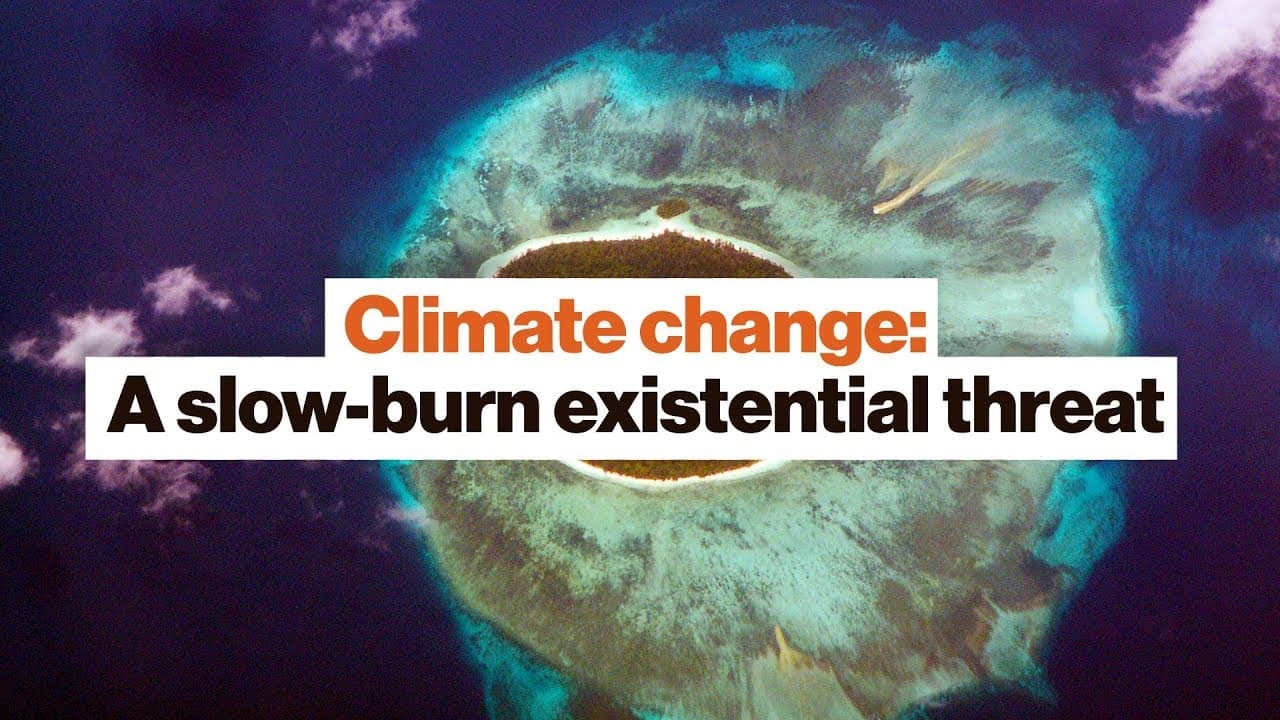
Tangier Island and others face imminent disappearance due to rising sea levels, sparking a discussion on climate change's impact.
Transcript
A few years ago I went down on assignment for the New York Times Magazine to an island in the Chesapeake called Tangier Island, which is a real sort of sandbar. It's three sandbars connected sort of by some land. And it's an old fishing and crabbing community. And it's threatened by sea level rises as well as erosion in the middle of the Bay. It's ... Read More
Key Insights
- 🤢 Tangier Island faces imminent disappearance due to the combined threats of rising sea levels and erosion.
- 🏝️ Academic studies show a stark reality for coastal islands succumbing to environmental pressures.
- 🥺 Gradual flooding may lead to the abandonment of coastal communities, challenging our assumptions about mass migrations.
- 🌇 Rising sea levels pose a significant threat to global coastal cities and civilizations.
- 🏛️ Financial investments and engineering solutions are crucial for building resilience against the effects of climate change.
- 🤑 The disparity between richer and poorer regions in addressing climate change impacts is evident.
- 🤢 The future of coastal communities hinges on proactive adaptation to rising sea levels.
Install to Summarize YouTube Videos and Get Transcripts
Explore YouTube Video Summarizer or Get YouTube Transcript Extractor
Questions & Answers
Q: What are the primary causes of Tangier Island and other islands disappearing?
Tangier Island's disappearance is primarily due to rising sea levels and erosion, exacerbating the threat of extinction for numerous islands in the Chesapeake Bay.
Q: How do rising sea levels impact coastal communities like Tangier Island?
Rising sea levels lead to gradual flooding and erosion, causing communities to disintegrate over time as individuals come to terms with the lack of a sustainable future in such areas.
Q: What are the projected sea level rise scenarios for the future?
Projections suggest at least two feet of sea level rise by 2100, with worst-case scenarios predicting increases of up to 10 feet, highlighting the urgency of addressing climate change impacts.
Q: How can coastal cities adapt to rising sea levels and become more resilient?
Building defenses, investing in engineering solutions, and fostering resilience are vital for coastal cities to combat the effects of rising sea levels and secure their future sustainability.
Summary & Key Takeaways
-
Tangier Island in the Chesapeake Bay is facing extinction due to sea level rise and erosion.
-
Academic studies show other islands in the area have disappeared due to similar environmental factors.
-
The future forecast of rising sea levels poses a threat to coastal cities and civilizations worldwide.
Read in Other Languages (beta)
Share This Summary 📚
Summarize YouTube Videos and Get Video Transcripts with 1-Click
Try YouTube Summary with ChatGPT & Claude or YouTube Transcript Generator
Explore More Summaries from Big Think 📚




Summarize YouTube Videos and Get Video Transcripts with 1-Click
Try YouTube Summary with ChatGPT & Claude or YouTube Transcript Generator