Apple, STOP Ruining The iPhone
TL;DR
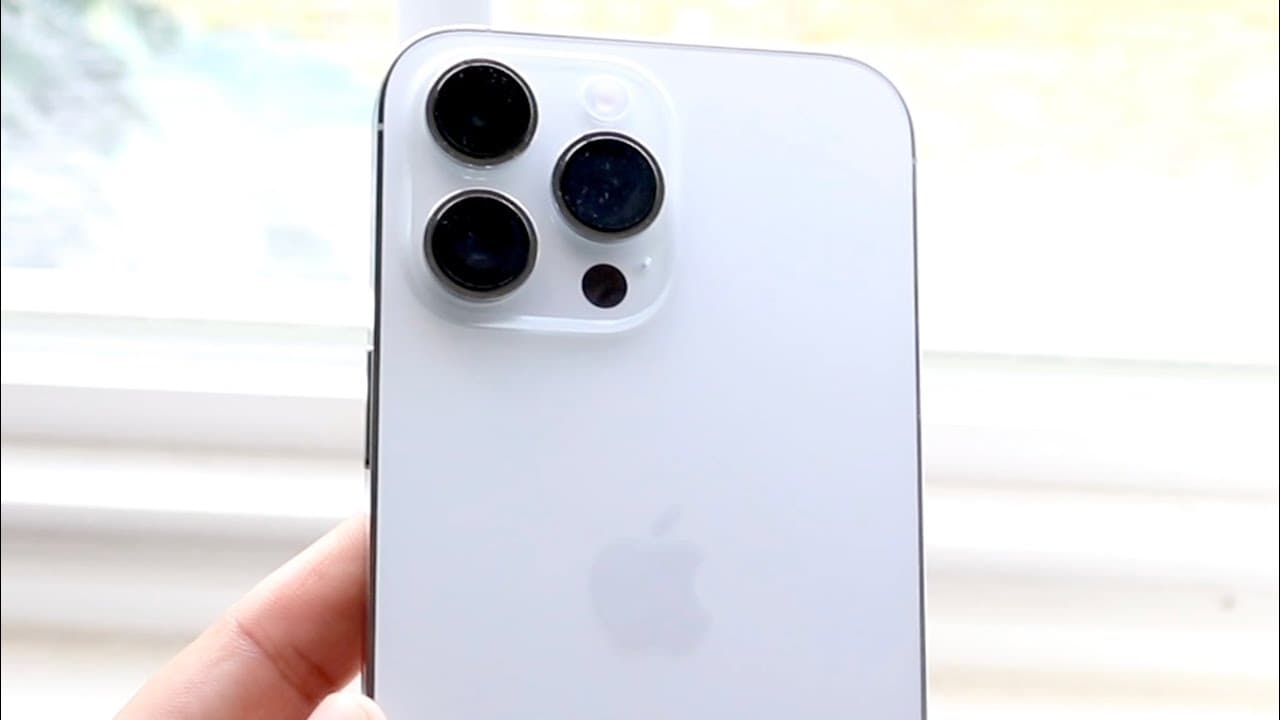
Apple may finally allow third-party apps on iPhones amidst security concerns and market pressures.
Transcript
so we are at a very very interesting point I would almost call it an inflection point to all iPhones out there that are still currently supported so essentially what's going on for those of you who don't know apple is kind of in a really weird spot because for one they're going through they've always assumes like a big company like this is always g... Read More
Key Insights
- 😀 Apple is currently facing pressure to change its longstanding policies regarding third-party app installations on iPhones.
- 👤 The future of Apple's App Store may hinge on user demand for more flexibility and innovative applications.
- 😀 Security and privacy are frequently cited by Apple as primary reasons for limiting third-party apps, though user autonomy is increasingly desired.
- 🥳 The iOS 16.4 release could present opportunities for either tighter restrictions or new third-party access.
- 😀 Comparatively, other devices allow broader app usage and could serve as examples for Apple to consider.
- 😀 Developers are exploring alternative app distribution methods to bypass Apple's fees and restrictions, which could impact the App Store's ecosystem.
- 😀 Users have expressed frustration over Apple's control, indicating a growing demand for a shift in app policies.
Install to Summarize YouTube Videos and Get Transcripts
Explore YouTube Video Summarizer or Get YouTube Transcript Extractor
Questions & Answers
Q: Why is Apple resistant to allowing third-party applications on iPhones?
Apple's reluctance stems from a mix of financial motives and concerns over user security. The App Store generates significant revenue for Apple through developer fees and in-app purchases. By maintaining a strict control over app installations, Apple can ensure a consistent and secure experience for users. However, this limits innovation and user choice, prompting calls for policy change.
Q: What implications could the potential acceptance of third-party apps have on iPhone users?
Should Apple allow third-party apps, users could benefit from a wider range of applications, including those that may not meet App Store guidelines. This could enhance user experience by introducing diverse functionalities. However, it also raises concerns about security as less-regulated apps could introduce vulnerabilities, which Apple claims to protect against through its current model.
Q: How does the situation with iPhones compare to other devices, like MacBooks or Android phones?
Unlike iPhones, Apple’s MacBooks and other platforms like Android allow users to install third-party applications freely. This disparity raises questions about Apple's approach, suggesting a restrictive business model that hinders user autonomy. The conversation highlights a contrasting ecosystem of app availability, user flexibility, and security measures across devices.
Q: What recent developments in iOS might influence Apple’s stance on third-party applications?
The anticipated release of iOS 16.4 could signal a pivotal moment. It may introduce new features or updates that either complicate the installation of third-party apps or provide a pathway for more user-accessible app options. Observers believe that this could shape Apple's future decisions regarding app governance significantly.
Q: Why do some developers prefer not to host their apps on the App Store?
Many developers find the fees associated with hosting apps on the App Store prohibitive, alongside stringent guidelines that may not align with their goals. By circumventing the App Store, developers can reach users directly and maintain greater control over their applications, leading to innovative solutions that might not be possible under Apple's structure.
Q: What kind of third-party applications could users hope to see if Apple opens up?
Users might see a variety of applications, including niche tools that address specific needs or innovative apps that do not fit Apple's App Store guidelines. This could range from productivity enhancements to entertainment options, giving users the freedom to explore solutions that best suit their preferences and lifestyles.
Summary & Key Takeaways
-
Apple is at a critical juncture where it may soon allow third-party applications on iPhones, despite maintaining strict App Store controls.
-
The ongoing debate centers around security and privacy versus user freedom, competing with other platforms like Mac and Android that permit third-party installations.
-
With the release of iOS 16.4, there is speculation that this could either tighten restrictions or pave the way for greater app flexibility.
Read in Other Languages (beta)
Share This Summary 📚
Summarize YouTube Videos and Get Video Transcripts with 1-Click
Try YouTube Summary with ChatGPT & Claude or YouTube Transcript Generator
Explore More Summaries from Simple Alpaca 📚


Summarize YouTube Videos and Get Video Transcripts with 1-Click
Try YouTube Summary with ChatGPT & Claude or YouTube Transcript Generator