TikToker Claims Bouncers Violently Assaulted Her, Security Video Tells Another Story: Lawsuit
TL;DR
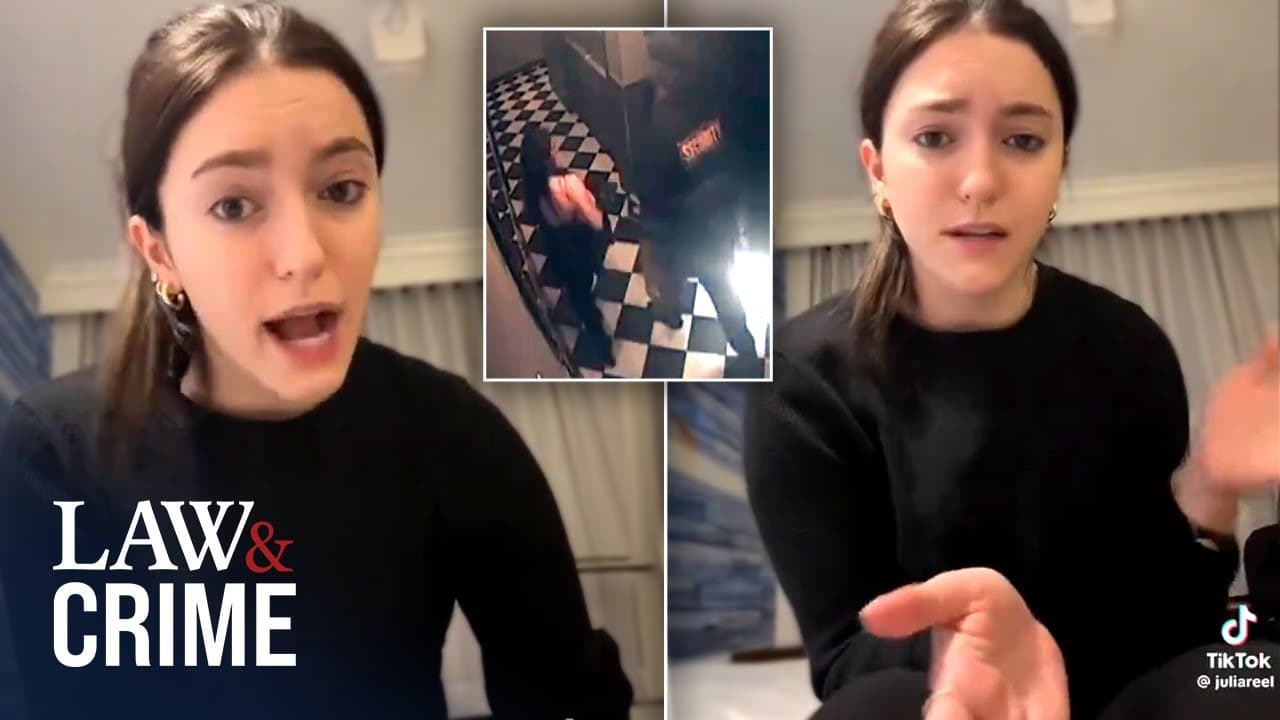
A TikToker accuses a Chicago bar of assault, leading to a defamation lawsuit due to conflicting security footage.
Transcript
so they are grabbing us immediately they don't even give us a chance to walk out on our own a woman says a bouncer at a popular Chicago Bar and restaurant manhandled her and even threw her down a staircase but now the establishment's owners say that absolutely did not happen and they're filing a lawsuit against her for defamation we're digging into... Read More
Key Insights
- 🤢 Conflicting accounts of an incident between a TikToker and a Chicago bar's security staff led to a defamation lawsuit.
- 🖐️ Security footage plays a crucial role in refuting assault allegations and triggering legal action.
- 💼 Defamation cases require proof of intent, falsity, and harm suffered by the plaintiff.
- ❓ Missing footage can impact jury perceptions in circumstantial evidence evaluation.
- 🧑🏭 Legal battles can escalate quickly, with reputation restoration often a motivating factor.
- 🥺 Influencers should be cautious about making factual claims that could lead to legal repercussions.
- ✳️ Opinion statements in reviews are generally protected under the First Amendment, reducing the risk of legal liability.
Install to Summarize YouTube Videos and Get Transcripts
Explore YouTube Video Summarizer or Get YouTube Transcript Extractor
Questions & Answers
Q: What sparked the legal battle between the TikToker and the Chicago bar?
The TikToker, Julia reel, accused the bar's security staff of assault, while the bar refuted the claims with security footage, leading to a defamation lawsuit.
Q: What elements are crucial in a defamation case like this one?
In a defamation case, proving the truth or falsity of the statements made, establishing intent, and showcasing the harm suffered by the plaintiff are crucial elements.
Q: How does missing footage impact the case?
Missing footage leaves gaps that jury members can fill with circumstantial evidence, affecting their perceptions of the incident and influencing the outcome of the case.
Q: Should influencers be concerned about facing legal liability for reviews?
In most cases, opinions in reviews are protected by the First Amendment. However, making false factual statements that harm a business can lead to legal liability.
Summary & Key Takeaways
-
TikToker alleges manhandling by a Chicago bar's security staff.
-
Bar refutes claims with security footage, sparking a defamation lawsuit against the TikToker.
-
Legal battle ensues with claims of financial harm and reputation damage.
Read in Other Languages (beta)
Share This Summary 📚
Summarize YouTube Videos and Get Video Transcripts with 1-Click
Try YouTube Summary with ChatGPT & Claude or YouTube Transcript Generator
Explore More Summaries from Law&Crime Sidebar Podcast 📚



Summarize YouTube Videos and Get Video Transcripts with 1-Click
Try YouTube Summary with ChatGPT & Claude or YouTube Transcript Generator