Sea Captain On What Governments Hide About Oceans ft. Sid Chakravarty | TRS Clips 1000
TL;DR
The ocean faces critical threats from overfishing, pollution, and climate change, impacting marine life.
Transcript
subscribe hit that bell icon and share this clip if you enjoy it this is trs clips what is it that the average person doesn't know at all about the ocean but you know and you're like your people should like know about this i mean i think since we were talking about workers who works for four years continuously every single day of the week for 20 ho... Read More
Key Insights
- 🧑⚕️ Commercial fishing practices require long-term commitments from workers, often lasting multiple years without returning home.
- 🎣 Global expansion in fishing practices over the last century has led to notable declines in edible fish species.
- 🎣 The transition from sustainable fishing towards capturing less valuable trash fish indicates a worrying trend in ocean health.
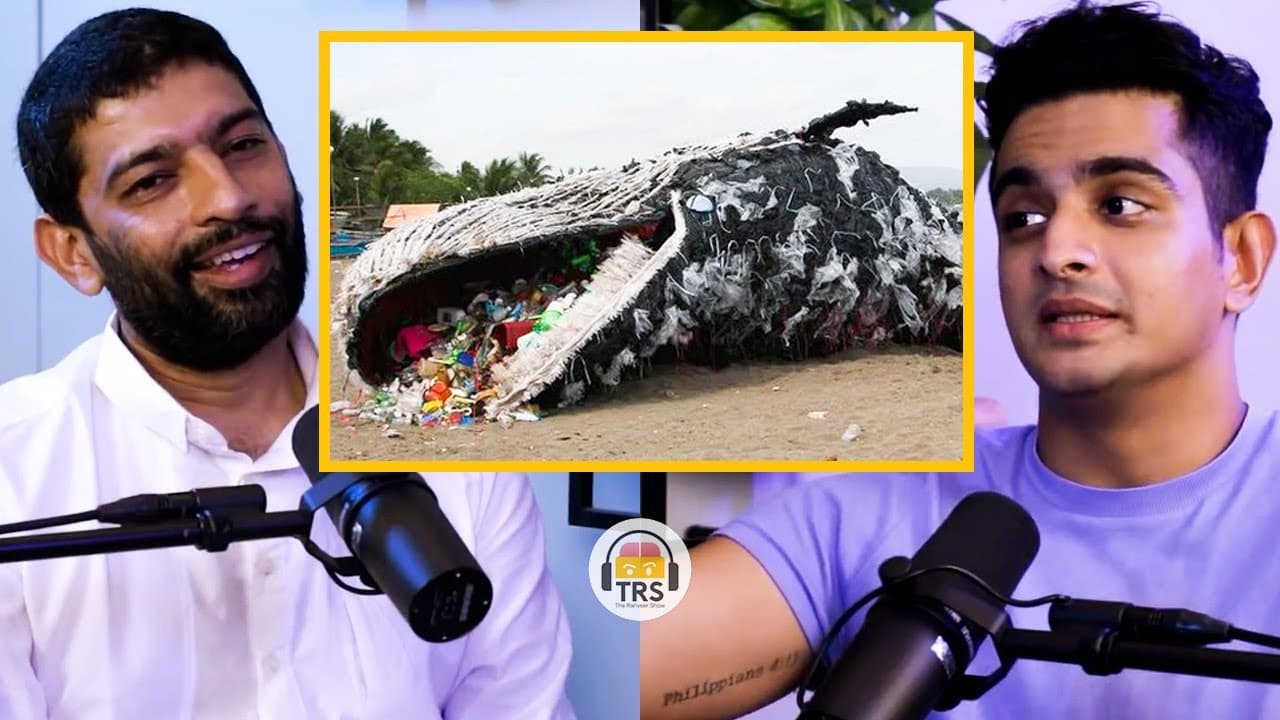
- 🧑⚕️ Plastic waste in the oceans affects marine species, causing ingestion and health problems that further endanger populations.
- 💦 Pollutants from coastal industries heavily impact marine ecosystems, degrading water quality and harming wildlife.
- 🧑⚕️ Climate change exacerbates ocean issues, affecting species adaptation, migration patterns, and the overall health of marine ecosystems.
- 🧑⚕️ Marine biodiversity is crucial, but current practices threaten the intricate balance necessary for ecosystem health and sustainability.
Install to Summarize YouTube Videos and Get Transcripts
Explore YouTube Video Summarizer or Get YouTube Transcript Extractor
Questions & Answers
Q: What does the fishing industry routine look like for workers at sea?
Commercial fishing workers often endure long durations at sea, with some spending up to four years without returning to port. They operate boats that lay out extensive fishing lines, requiring immense physical and mental stamina. These crews typically work 20 hours a day, seven days a week, showcasing the intense labor and commitment needed for seafood production.
Q: How has the ocean's composition changed over the past decades?
The ocean's composition has shifted significantly due to overfishing and unsustainable practices, leading to the depletion of key species. Traditional staple fish that were available decades ago have disappeared, replaced by less nutritious species often referred to as "trash fish." This reflects a broader decline in ocean health and biodiversity.
Q: What are the major environmental issues currently affecting the oceans?
The oceans face several environmental challenges, including pollution from plastic waste, chemical runoff, and the impacts of climate change such as ocean warming and acidification. These factors pose severe risks to marine ecosystems, contributing to declining species populations and altering natural habitats.
Q: Can you describe the impact of plastic pollution on marine life?
Plastic pollution severely affects marine animals, as they often ingest plastic mistaken for food. For instance, albatrosses have been found with significant amounts of plastic in their stomachs, preventing them from taking flight. This demonstrates how even remote ocean areas are not safe from human waste, affecting animal health and survival rates.
Q: What might the future of the ocean look like if current trends continue?
If detrimental practices continue, the future of the ocean could be bleak, with further declines in fish populations, shifts in ecosystems, and increased pollution. Coral reefs may suffer complete degradation, while keystone species, such as whales, may struggle to adapt to changing conditions, fundamentally altering marine ecosystems.
Q: How does climate change specifically impact ocean ecosystems?
Climate change affects ocean ecosystems in multiple ways. Ocean warming alters currents and habitats, leading to changes in species migration and reproductive rates. Additionally, ocean acidification harms coral reefs and other marine organisms, disrupting their ability to thrive and maintain healthy populations.
Q: Why is it essential to change how we view oceans and their resources?
Changing our perspective on ocean resources is crucial for promoting sustainable practices and conserving marine environments. Understanding the interconnectedness of human activities and ocean health can motivate individuals and policymakers to adopt responsible fishing practices, reduce pollution, and combat climate change for future generations.
Summary & Key Takeaways
-
Many people are unaware of the extensive and labor-intensive work involved in commercial fishing, which often sees crews at sea for four years without returning.
-
Over the past century, fishing practices have expanded dramatically, resulting in the depletion of fish populations and a shift towards less desirable "trash fish."
-
Environmental issues such as plastic pollution and climate change are drastically altering ocean ecosystems, threatening marine life and biodiversity.
Read in Other Languages (beta)
Share This Summary 📚
Summarize YouTube Videos and Get Video Transcripts with 1-Click
Try YouTube Summary with ChatGPT & Claude or YouTube Transcript Generator
Explore More Summaries from TRS Clips 📚





Summarize YouTube Videos and Get Video Transcripts with 1-Click
Try YouTube Summary with ChatGPT & Claude or YouTube Transcript Generator