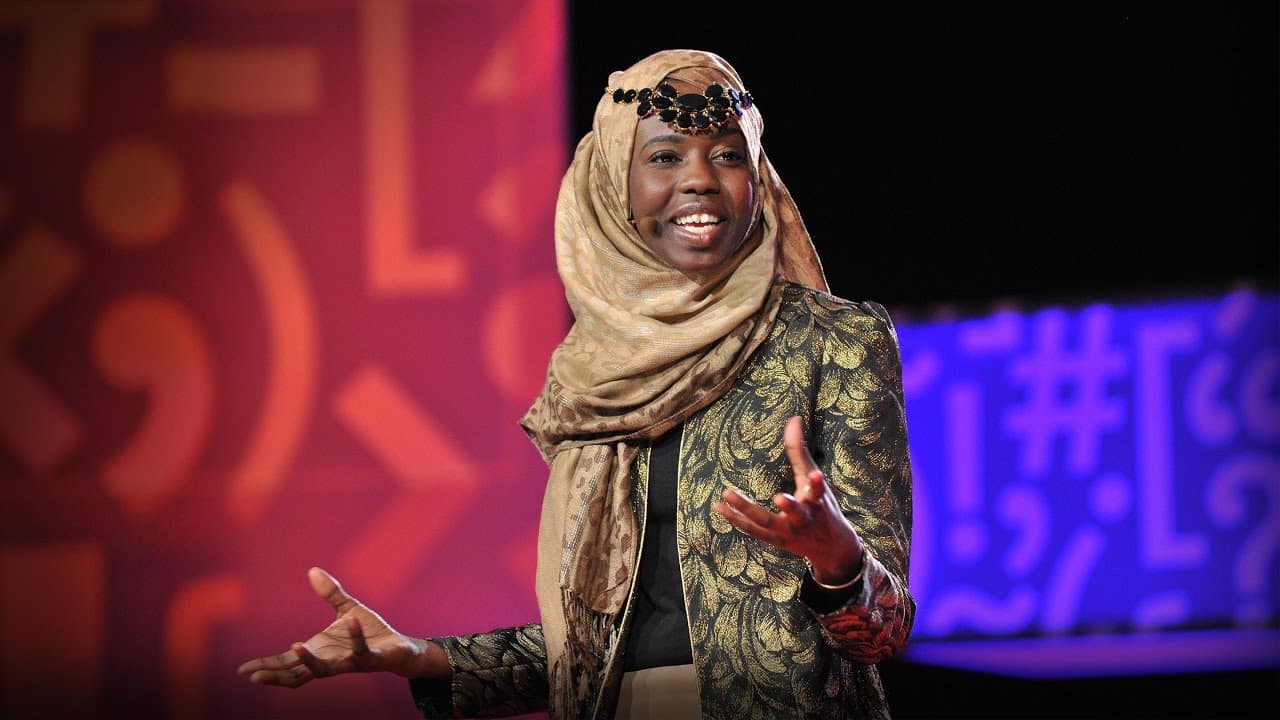
A young poet tells the story of Darfur | Emtithal Mahmoud
TL;DR
From learning about genocide at a young age to using poetry as a voice, this writer shares their powerful journey.
Transcript
I was 10 years old when I learned what the word "genocide" meant. It was 2003, and my people were being brutally attacked because of their race -- hundreds of thousands murdered, millions displaced, a nation torn apart at the hands of its own government. My mother and father immediately began speaking out against the crisis. I didn't really underst... Read More
Key Insights
- 👧 The speaker's parents were deeply affected by the genocide in their home country, which inspired her to raise awareness through poetry.
- ♀️ The speaker experiences a sense of invisibility and struggles to convince others of their worthiness to be seen.
- 📚 The speaker learns the power of speaking up and being heard when she gives a presentation about Darfur and her classmates listen.
- 🎙️ Poetry is a powerful tool for expression and can make people more aware of their own humanity.
- 🌍 The speaker is asked to comment on the refugee crisis in South Sudan and feels the weight of the ongoing genocides happening around the world.
- 💔 The speaker grapples with how to convey the horrors of war and genocide, wondering if it's better to speak softly or present the harsh realities.
- 💼 The speaker becomes physically affected by the stress of speaking out, but finds courage and strength in their experiences.
- 😊 Despite the hardships, the speaker finds moments of joy and laughter even in the face of death, and values the connections made with loved ones.
Install to Summarize YouTube Videos and Get Transcripts
Explore YouTube Video Summarizer or Get YouTube Transcript Extractor
Questions & Answers
Q: Why did the speaker start writing poetry about Darfur?
The speaker started writing poetry about Darfur because she wanted to convince people to hear and see the suffering of her people, and to combat the feeling of invisibility and isolation that they experienced during the crisis.
Q: How did the speaker feel when her classmate asked her not to talk about Darfur?
The speaker felt at a loss for words and was unable to explain the pain she felt in that moment. It reminded her of the days and nights in Darfur where they were forced to remain silent, and she was reminded that they were often told they did not deserve to be heard or exist.
Q: What did the speaker learn about the power of being witnessed?
The speaker learned that when someone stands in front of others and says "Witness me," it is impossible not to become acutely aware of one's own humanity. This awareness gave the speaker courage and made her feel whole.
Q: How did the speaker feel when asked to comment on the refugee crisis in South Sudan?
The speaker felt a weight on her shoulders as she was handed the microphone to speak about the refugee crisis. The numbers of people affected and the atrocities committed weighed heavily on her, and she struggled with how to summarize the ongoing suffering and displacement.
Q: What does the speaker want to convey through her poetry about the atrocities?
Through her poetry, the speaker wants to convey the harsh realities of the genocides and conflicts that have occurred. She wants to highlight the impact on individuals, the displacement, the violence, and the struggles faced by different groups, and bring attention to the ongoing suffering beyond the numbers and statistics.
Summary & Key Takeaways
-
The speaker learned about genocide at a young age when her people were being attacked due to their race, which inspired her to write poetry to raise awareness and be heard.
-
She faced opposition from classmates when trying to speak about the crisis, but found courage to share her story and be witnessed, which made her feel whole.
-
The speaker explores the struggle of summarizing the ongoing tragedies and atrocities happening in the world, and how she uses poetry as a powerful tool to express the pain and resilience of her people.
Read in Other Languages (beta)
Share This Summary 📚
Summarize YouTube Videos and Get Video Transcripts with 1-Click
Try YouTube Summary with ChatGPT & Claude or YouTube Transcript Generator
Explore More Summaries from TED 📚
Summarize YouTube Videos and Get Video Transcripts with 1-Click
Try YouTube Summary with ChatGPT & Claude or YouTube Transcript Generator