How To Manage Staff In A Remote, Asynchronous Reality

TL;DR
Remote work has changed the way we work, leading to challenges in aligning teams and ensuring everyone understands their role. Building a cohesive company culture and facilitating effective communication are key to success. Immersive learning and intentional facilitation can enhance the remote work experience.
Transcript
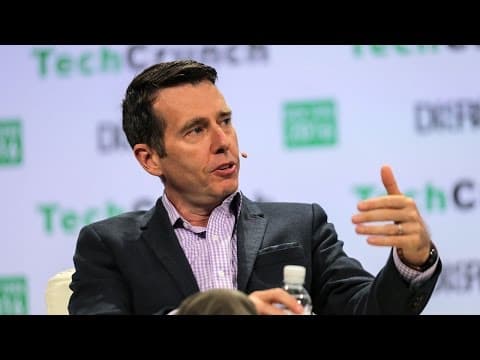
thank you okay thank you all for coming so nice to see you good morning uh today we're going to be talking about uh you know over the span of two and a half years the way we work has completely changed there's no one way to adapt to this reality so we're going to talk about some of the challenges the opportunities and how to try to get this right t... Read More
Key Insights
- 😤 Remote work requires intentional alignment of teams and clear communication of company strategy.
- 💦 Facilitation and immersive learning experiences are essential for fostering connection and collaboration in a remote work environment.
- 😤 Building an inclusive culture and promoting diversity and equity are crucial for remote teams to thrive.
- 💦 Companies should embrace flexibility and work-life balance in a remote work setup.
- 💦 Remote work highlights the need for adaptable compensation practices that prioritize skills and experience over location.
- 👥 The use of frameworks and clear processes can enhance the effectiveness of remote teams.
- ❓ Strategic meetups and intentional facilitation can overcome the limitations of virtual communication and foster meaningful connections.
Install to Summarize YouTube Videos and Get Transcripts
Explore YouTube Video Summarizer or Get YouTube Transcript Extractor
Questions & Answers
Q: How can companies ensure that remote teams are aligned and working towards the same goals?
Companies should provide a clear strategy and framework for teams to understand their role in achieving company goals. Regular communication, transparent goal-setting, and using objective key result (OKR) frameworks can help align remote teams.
Q: How can companies foster a sense of connection and collaboration in a remote work environment?
Organizing virtual meetups or immersive learning experiences can help people feel connected and build trust. Thoughtful facilitation and intentional design of virtual events can create an environment where individuals can connect on a personal level and build social capital.
Q: Are remote teams vulnerable to communication barriers and power imbalances?
Remote work can exacerbate communication challenges, such as talking over others in virtual meetings. To mitigate these issues, companies should focus on building a diverse and inclusive workforce, creating a culture of inclusion, and using frameworks that ensure everyone's ideas are heard and valued.
Q: How can companies balance the competitiveness of remote work with fair compensation practices?
While remote work opens up opportunities to hire talent from different locations, companies should ensure fair compensation based on factors like skills and experience, rather than the individual's location. Paying equitable salaries regardless of location can help attract and retain top talent.
Summary & Key Takeaways
-
Remote work requires clear strategy communication to ensure all team members understand the company's direction and their role in achieving it.
-
To maximize the benefits of remote work, companies should invest in intentional facilitation and immersive learning experiences.
-
Hiring and retaining talent in a remote setting requires creating an inclusive and engaging company culture.
-
The shift to remote work has also highlighted the importance of flexibility and work-life balance.
Read in Other Languages (beta)
Share This Summary 📚
Summarize YouTube Videos and Get Video Transcripts with 1-Click
Try YouTube Summary with ChatGPT & Claude or YouTube Transcript Generator
Explore More Summaries from TechCrunch 📚





Summarize YouTube Videos and Get Video Transcripts with 1-Click
Try YouTube Summary with ChatGPT & Claude or YouTube Transcript Generator