Becoming a Toxicologist
TL;DR
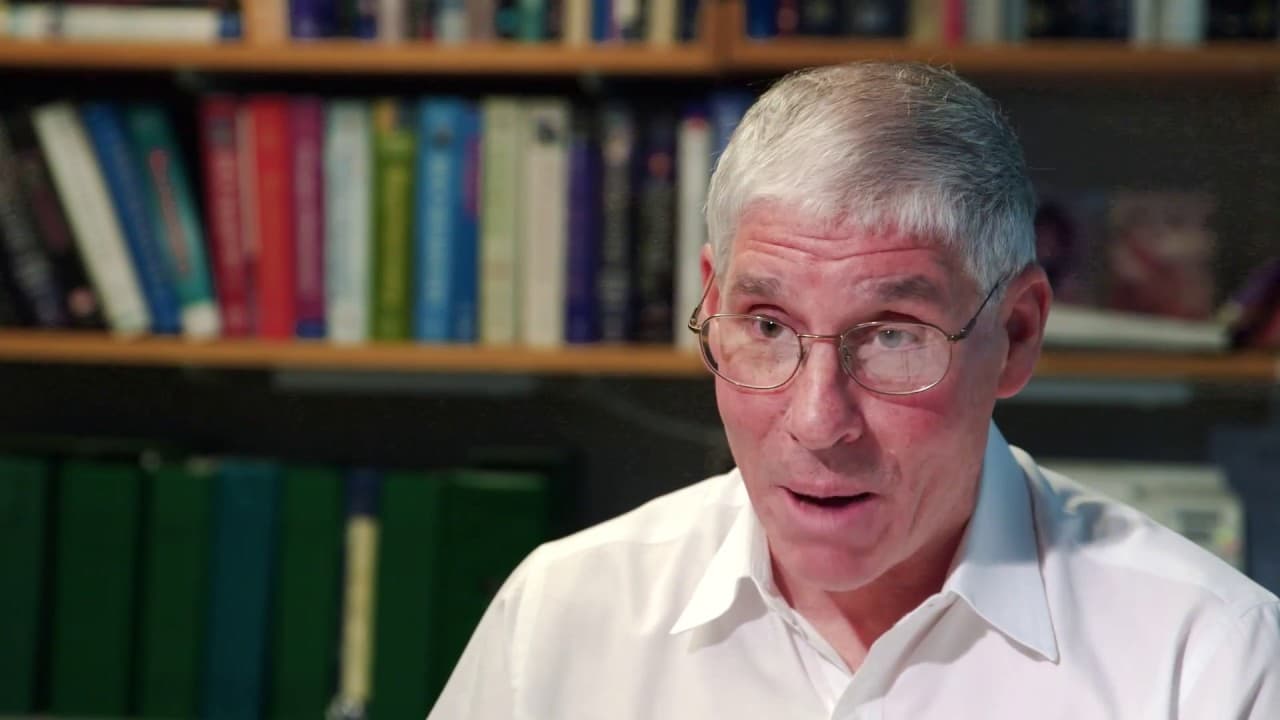
John Essigmann shares his inspiring story of how he got interested in biochemistry and toxicology after attending a lecture by Richard Evans Schultes, the father of ethnobotany.
Transcript
JOHN ESSIGMANN: I'm always interested in listening to JoAnne's lectures, and she talks about how she got interested in biochemistry from a background in what I would call more physical organic chemistry by attending a lecture and being completely inspired. And I am a toxicologist by training. And how did that actually happen. I have a similarly ins... Read More
Key Insights
- ❓ Richard Evans Schultes' lecture on ethnobotany inspired John Essigmann to pursue a career in biochemistry and toxicology.
- 👯 Schultes' experiences living with indigenous peoples exposed him to the medicinal properties of plant compounds.
- 🥺 Essigmann's encounter with Schultes led him to explore toxins from fungi and their impacts on biological systems.
- 💠 The story highlights the importance of influential lectures and mentors in shaping scientific careers.
- 🛟 It showcases the potential of natural compounds in serving as both medicines and pollutants.
- 😌 Essigmann's interest lies in studying chemicals from the environment and their interaction with biological systems.
- 👨🔬 The lecture demonstrated the significant impact of World War II on scientific research, as it led to the search for new sources of rubber in South America.
Install to Summarize YouTube Videos and Get Transcripts
Explore YouTube Video Summarizer or Get YouTube Transcript Extractor
Questions & Answers
Q: Who is Richard Evans Schultes and why is he important?
Richard Evans Schultes is considered the father of ethnobotany and was the director of the Herbarium at Harvard. He conducted extensive research and lived with indigenous peoples, uncovering the medicinal properties of plant compounds.
Q: What impact did Schultes' lecture have on John Essigmann?
Schultes' lecture inspired Essigmann to pursue biochemistry and toxicology. Learning about the medicinal uses of plant compounds and their interactions with biological systems fascinated him.
Q: What role did Gerry Wogan play in Essigmann's career?
Gerry Wogan, a researcher at MIT, played a crucial role in Essigmann's career. He directed Essigmann to study toxins from fungi in Southeast Asia, specifically aflatoxin, and provided him with an opportunity to investigate how these toxins work.
Q: What are the main interests of Essigmann in the field of toxicology?
Essigmann's main interests lie in understanding the interactions between chemicals from the environment and biological systems. He explores how these chemicals can either be pollutants or serve as precursors to therapeutically useful molecules.
Summary & Key Takeaways
-
John Essigmann became interested in biochemistry after attending a lecture by Richard Evans Schultes, the director of the Herbarium at Harvard and the father of ethnobotany.
-
Schultes' lecture showcased his experiences living with indigenous peoples and discovering the medicinal properties of plant compounds.
-
Essigmann's interaction with Schultes inspired him to pursue a career in toxicology and pharmacology, studying the interactions between chemicals from the environment and biological systems.
Read in Other Languages (beta)
Share This Summary 📚
Summarize YouTube Videos and Get Video Transcripts with 1-Click
Try YouTube Summary with ChatGPT & Claude or YouTube Transcript Generator
Explore More Summaries from MIT OpenCourseWare 📚


Summarize YouTube Videos and Get Video Transcripts with 1-Click
Try YouTube Summary with ChatGPT & Claude or YouTube Transcript Generator