Bridging Analytics and Game Design: Lessons from the Trenches
TL;DR
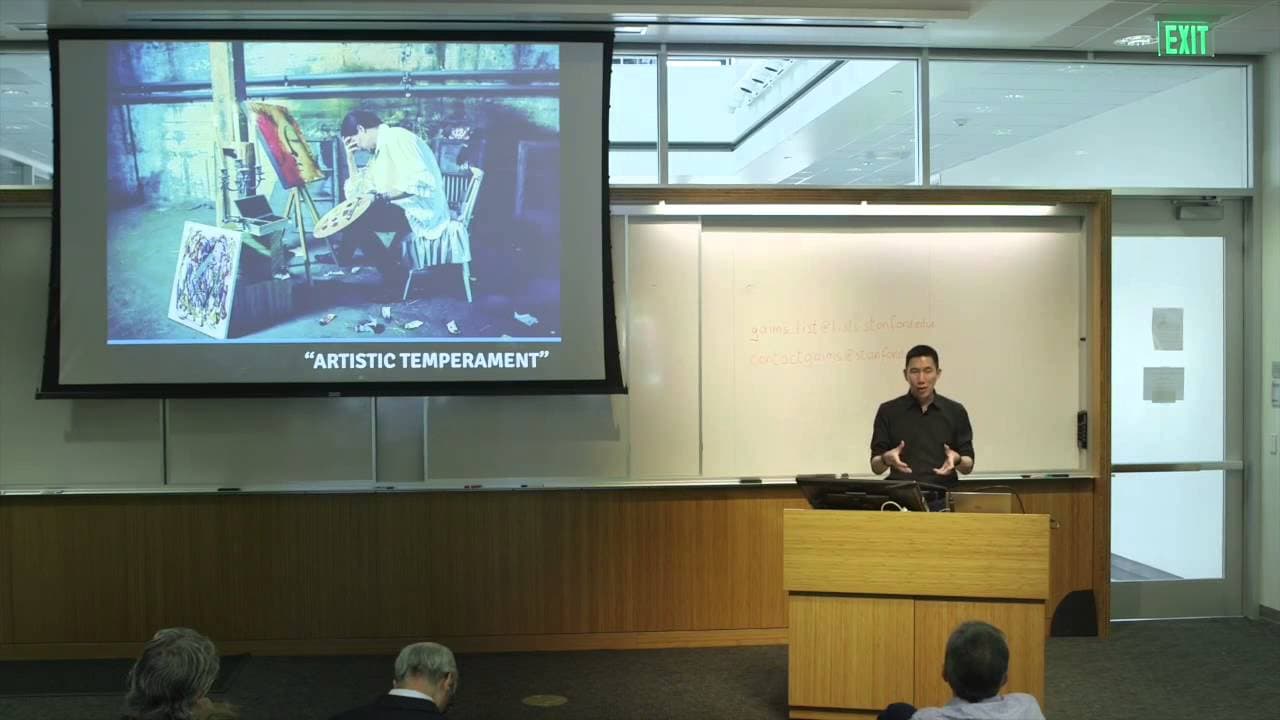
Researchers discuss their journey in studying video games and the challenges they faced in gaining insights from game analytics.
Transcript
okay so let me now introduce officially on today's quota series so for those who don't know we did this already last wad up at the set of very interesting speakers generally in the field of interactive media and games so we kind of interested in both of those all the talks actually videotaped and we have multiple thousand views on those from from l... Read More
Key Insights
- 🎮 The speakers' research highlights the importance of data collection in understanding player motivations and behaviors in video games.
- 👾 Game analytics face challenges in integration and collaboration within the game industry, as cultural and structural issues affect the balance of power.
- 😀 Telemetry, the tracking of game data, is often prioritized lower and faces challenges in implementation and sharing.
- 👾 The perception of game analytics as a threat to creativity can hinder collaboration between game designers and analysts.
- 👾 The potential for insights from game analytics can be limited if data is not collected in a clean and meaningful way.
- 👾 Many game companies are still figuring out how to effectively integrate analytics into their development process.
- 🖤 Automated blackbox solutions and predictive analytics can provide data and forecasts but may lack the ability to explain the "why" behind the data.
Install to Summarize YouTube Videos and Get Transcripts
Explore YouTube Video Summarizer or Get YouTube Transcript Extractor
Questions & Answers
Q: What kind of research did the first speaker conduct before entering the game industry?
The first speaker conducted a long-running survey project of online gamers, exploring their motivations and behaviors. They identified a high-level motivation framework and validated it cross-culturally.
Q: How did avatars in virtual worlds affect people's behavior, according to the speaker's research?
The speaker's research found that avatars in virtual worlds influenced behavior, such as walking closer to strangers or negotiating more aggressively. For example, people with more attractive avatars shared more personal information.
Q: What unique data source did games like World of Warcraft provide for social science research?
Games like World of Warcraft provided a unique data source because all player interaction data was automatically tracked and stored. This allowed researchers to analyze actual behaviors in the game, rather than relying on self-report survey data.
Q: What did the speaker discover about players' solo vs. social gameplay in World of Warcraft?
The speaker found that most players in World of Warcraft spent the majority of their playing time alone, despite it being a massively multiplayer online game. The game allowed for parallel forms of play, supporting both solo and social gameplay.
Summary & Key Takeaways
-
The speakers, who have PhDs and experience in the game industry, discuss their research trajectory and the challenges they encountered in gaining insight from game analytics.
-
They highlight the importance of data collection and analysis in understanding player motivations and behaviors in online games.
-
The speakers also talk about the cultural and structural obstacles in integrating analytics into game development and the need for better collaboration between game designers and analysts.
Read in Other Languages (beta)
Share This Summary 📚
Summarize YouTube Videos and Get Video Transcripts with 1-Click
Try YouTube Summary with ChatGPT & Claude or YouTube Transcript Generator
Explore More Summaries from Stanford 📚






Summarize YouTube Videos and Get Video Transcripts with 1-Click
Try YouTube Summary with ChatGPT & Claude or YouTube Transcript Generator