How Geography Influences Trade and Development
TL;DR
Geography plays a crucial role in trade and development, with coastal access significantly boosting economic growth. Adam Smith's theory emphasizes the importance of larger markets and specialization, while David Ricardo focuses on comparative advantage. Landlocked countries often face economic stagnation due to limited trade opportunities.
Transcript
welcome everyone today we're going to begin a new unit we're going to be talking about geography and development and by john mcwethy amina relatively immutable and constant features things like a location topography climb it cluding temperature rainfall so real quality our wildlife especially parasites and the influence of all of these on developme... Read More
Key Insights
- Geography is a key factor in economic development, affecting trade opportunities.
- David Ricardo's theory of trade focuses on comparative advantage and static efficiency.
- Adam Smith's trade theory highlights dynamic growth through market expansion and specialization.
- Coastal access leads to larger markets and economic growth, as seen in developed coastal regions.
- Landlocked countries often experience economic stagnation due to limited access to trade routes.
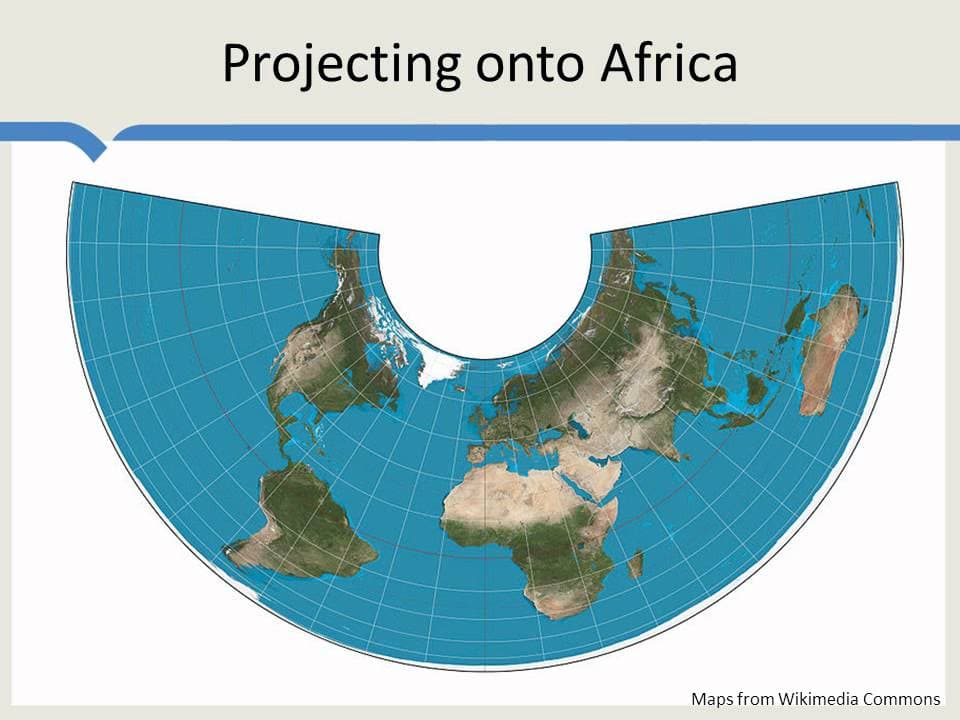
- Africa's large landmass and limited coastline hinder its trade opportunities compared to Europe.
- The Mercator projection distorts the true size of continents, affecting perceptions of geographical advantages.
- Historical insights from Adam Smith highlight the long-standing link between geography and economic development.
Install to Summarize YouTube Videos and Get Transcripts
Explore YouTube Video Summarizer or Get YouTube Transcript Extractor
Questions & Answers
Q: How does geography affect trade and development?
Geography affects trade and development by determining access to markets and trade routes. Coastal regions benefit from larger markets, enabling specialization and economic growth. Landlocked areas often face economic challenges due to limited access to trade, resulting in stagnation and lower GDP compared to coastal regions.
Q: What is David Ricardo's theory of trade?
David Ricardo's theory of trade centers on the concept of comparative advantage, where countries specialize in producing goods they can produce at the lowest opportunity cost. This specialization allows for more efficient production and trade, leading to benefits for all trading nations through static efficiency improvements.
Q: How does Adam Smith's trade theory differ from Ricardo's?
Adam Smith's trade theory focuses on dynamic growth, emphasizing the role of larger markets in fostering specialization and knowledge improvements. Unlike Ricardo's static efficiency model, Smith highlights how expanded markets lead to economic growth through increased specialization and economies of scale.
Q: Why are landlocked countries economically disadvantaged?
Landlocked countries are economically disadvantaged due to their limited access to trade routes and markets. Without coastal access, these countries face higher transportation costs and fewer opportunities for international trade, resulting in slower economic growth and lower GDP compared to coastal nations.
Q: What role does coastal access play in economic development?
Coastal access plays a crucial role in economic development by providing regions with larger markets and trade opportunities. Access to the sea allows for increased trade, specialization, and economies of scale, leading to enhanced economic growth and higher levels of development compared to landlocked areas.
Q: How does the Mercator projection affect perceptions of geography?
The Mercator projection distorts the true size of continents, making regions like Greenland appear much larger relative to Africa. This distortion affects perceptions of geographical advantages and can lead to misunderstandings about the relative size and trade potential of different regions.
Q: Why does Africa have limited trade opportunities compared to Europe?
Africa has limited trade opportunities compared to Europe due to its vast size and relatively short coastline. The continent's geography lacks the extensive inlets and navigable rivers found in Europe, reducing access to trade routes and hindering economic development despite its large landmass.
Q: What historical insights did Adam Smith provide about geography and development?
Adam Smith provided historical insights by highlighting the importance of geographical features like coastlines and navigable rivers in economic development. He noted that access to larger markets through maritime commerce leads to specialization and growth, a concept that remains relevant in understanding modern economic disparities.
Summary & Key Takeaways
-
Geography significantly impacts trade and development, with coastal access providing economic advantages. Adam Smith's theory suggests that larger markets lead to specialization and growth, contrasting with David Ricardo's focus on comparative advantage. Landlocked countries often struggle economically due to limited trade access.
-
Coastal regions like the United States, Western Europe, and China benefit from larger markets and economies of scale, enabling specialization and knowledge improvements. In contrast, landlocked areas face challenges in accessing trade routes, leading to economic stagnation.
-
Africa, despite its vast size, has limited coastline compared to Europe, affecting its trade opportunities. Adam Smith's insights from 1776 remain relevant, highlighting the importance of geographical access to markets and navigable rivers in economic development.
Read in Other Languages (beta)
Share This Summary 📚
Summarize YouTube Videos and Get Video Transcripts with 1-Click
Try YouTube Summary with ChatGPT & Claude or YouTube Transcript Generator
Explore More Summaries from Marginal Revolution University 📚

Summarize YouTube Videos and Get Video Transcripts with 1-Click
Try YouTube Summary with ChatGPT & Claude or YouTube Transcript Generator