How to Lose Weight with This Simple Diet Hack
TL;DR
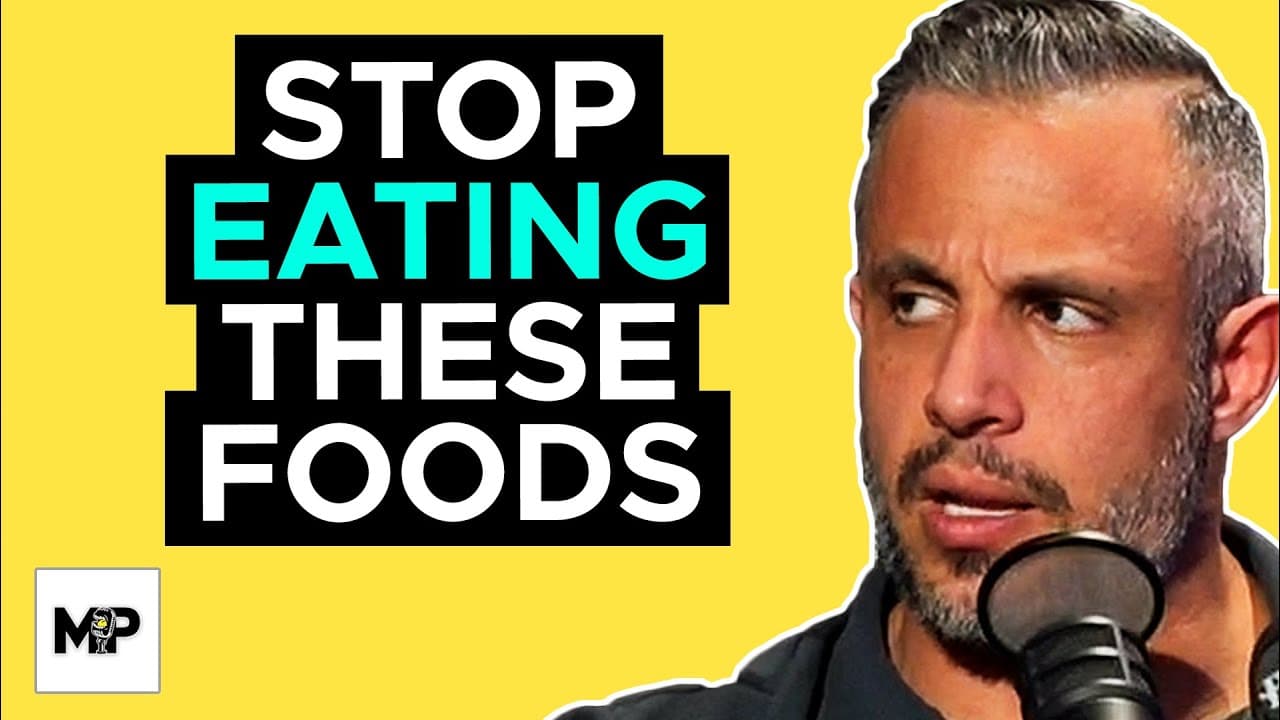
Avoiding heavily processed foods is a simple and effective diet hack for weight loss. By steering clear of these foods, you naturally consume fewer calories, feel more satisfied, and reduce cravings, leading to weight loss without feeling deprived. This approach aligns with natural body regulation, making it easier to maintain a balanced body weight.
Transcript
foreign welcome to mind pump in the first half of the show we talk about the fastest way to lose 10 pounds later in the show we talk about how taking a multivitamin can actually improve longevity as well as other topics in the second half of the show we coached four live callers on questions such as why am I not losing fat from cutting after a reve... Read More
Key Insights
- Avoiding heavily processed foods can lead to losing about 10 pounds for most people.
- Processed foods are engineered to increase cravings and calorie intake, leading to overeating.
- Eating whole natural foods helps the body self-regulate, preventing obesity.
- Consuming heavily processed foods is linked to increased all-cause mortality primarily due to overeating.
- Processed foods contain chemicals that enhance palatability, not necessarily harmful individually but contribute to overeating.
- Awareness of how processed foods are engineered can help make better food choices.
- Reducing processed food intake can result in weight loss without the feeling of calorie restriction.
- Processed foods can shift appetite regulation, making it harder to avoid overeating.
Install to Summarize YouTube Videos and Get Transcripts
Explore YouTube Video Summarizer or Get YouTube Transcript Extractor
Questions & Answers
Q: How does avoiding processed foods help with weight loss?
Avoiding processed foods helps with weight loss because these foods are engineered to increase cravings and calorie intake, leading to overeating. By steering clear of them, you naturally consume fewer calories, feel more satisfied, and reduce cravings, making it easier to lose weight without feeling deprived.
Q: What makes processed foods unhealthy?
Processed foods are unhealthy because they contain chemicals that enhance their taste, texture, and shelf life, making them more palatable and easier to overeat. This can lead to increased calorie consumption and weight gain, as well as a higher risk of health issues due to overeating rather than the chemicals themselves.
Q: Can eating whole foods prevent obesity?
Yes, eating whole foods can help prevent obesity. Whole natural foods allow your body to self-regulate, making it difficult to overeat. They provide more nutrients and lead to greater satisfaction, reducing the likelihood of consuming excess calories and promoting a balanced body weight.
Q: What is the impact of processed foods on appetite regulation?
Processed foods can shift appetite regulation by increasing cravings and making it harder to feel satisfied. They can alter your appetite's 'thermostat,' leading to overeating and weight gain. By avoiding them, you help maintain your body's natural appetite regulation, making it easier to manage weight.
Q: Are the chemicals in processed foods dangerous?
The chemicals in processed foods are not necessarily dangerous on their own but are used to enhance palatability and shelf life. The danger lies in their ability to make foods more appealing and easier to overeat, which can lead to increased calorie consumption and associated health risks.
Q: How can awareness of food engineering help with weight management?
Awareness of how foods are engineered can help with weight management by making you more mindful of your food choices. Understanding that processed foods are designed to increase cravings can encourage you to choose whole natural foods, which are less likely to lead to overeating and weight gain.
Q: What is the relationship between processed foods and all-cause mortality?
The relationship between processed foods and all-cause mortality is primarily due to overeating. Studies show that consuming heavily processed foods is linked to increased mortality because they lead to excessive calorie intake, contributing to obesity and related health issues, rather than the foods being inherently deadly.
Q: How does eating whole foods affect calorie intake?
Eating whole foods affects calorie intake by helping you feel more satisfied and reducing cravings, which naturally leads to consuming fewer calories. Whole foods provide more nutrients and are less likely to be overeaten, supporting a balanced body weight and making it easier to manage calorie intake without feeling restricted.
Summary & Key Takeaways
-
Avoiding heavily processed foods is a simple and effective weight loss strategy. These foods are designed to increase cravings and calorie intake, leading to overeating. By focusing on whole natural foods, you help your body self-regulate, which naturally prevents obesity and aids in weight management.
-
Processed foods are often full of chemicals that enhance their taste and shelf life, making them more palatable and easier to overeat. This can lead to increased calorie consumption and weight gain. By being aware of this, you can make better food choices and maintain a balanced body weight.
-
Eating whole natural foods instead of heavily processed ones helps you feel more satisfied and reduces the likelihood of overeating. This approach aligns with your body's natural regulation mechanisms, making it a sustainable and effective way to lose weight and improve health.
Read in Other Languages (beta)
Share This Summary 📚
Summarize YouTube Videos and Get Video Transcripts with 1-Click
Try YouTube Summary with ChatGPT & Claude or YouTube Transcript Generator
Explore More Summaries from Mind Pump Show 📚



Summarize YouTube Videos and Get Video Transcripts with 1-Click
Try YouTube Summary with ChatGPT & Claude or YouTube Transcript Generator