What Is CTE and How Can Brain Donations Help Research?
TL;DR
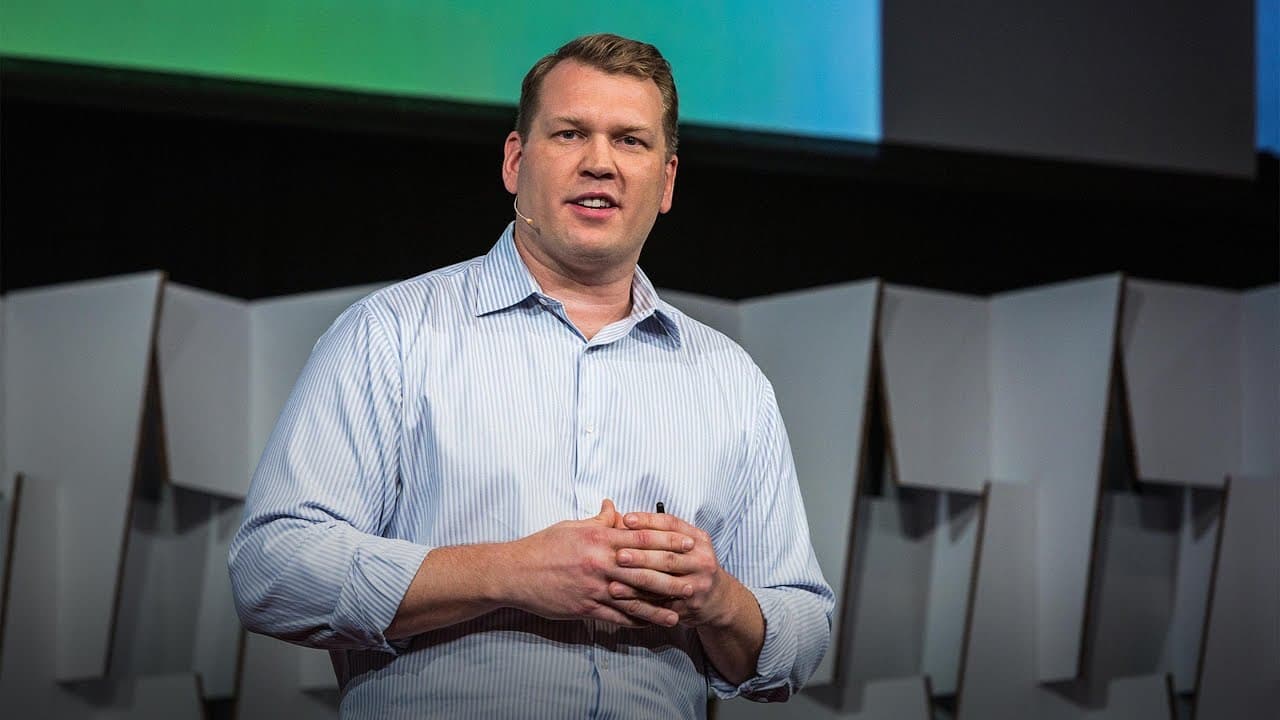
Chronic Traumatic Encephalopathy (CTE) is a degenerative brain disease linked to repeated head trauma in athletes. Chris Nowinski discusses his journey from suffering a concussion to founding the Concussion Legacy Foundation, which has established a brain donation registry for over 2,500 athletes to aid in CTE research. Preventing head injuries, especially in youth sports, is crucial as research shows alarming rates of CTE among NFL and college players.
Transcript
I'm Chris Nowinski, and odds are if you've met me in the last five years I've asked you, after a few minutes, a bit of an odd question: Can I have your brain? Now, it only seems like a strange question if you don't know my story so please let me share it with you. I grew up outside of Chicago, and I was an athlete and I was very lucky to get recrui... Read More
Key Insights
- 🧠 "CTE: A Silent Epidemic" - Chronic Traumatic Encephalopathy (CTE) is a degenerative brain disease caused by repetitive head trauma, commonly found in athletes.
- 🏈 "Lack of Awareness" - Despite the prevalence of CTE, there is a lack of awareness and media coverage surrounding this issue in the sports community.
- 💡 "Discovery of CTE" - The author's own experience with concussion symptoms led him to discover the existence of CTE, leading to extensive research and the formation of the Concussion Legacy Foundation.
- 🌍 "Global Research Efforts" - The author and his team formed partnerships with prominent research institutions to establish the first brain bank focused on CTE, pioneering the study of this disease.
- 🏆 "Athlete Brain Donation Registry" - The author initiated a brain donation registry to create a culture of brain donation among athletes and encourage research into CTE. Over 2,500 athletes have signed up to donate their brains after death.
- 😓 "Alarming Prevalence of CTE" - Research conducted by the Concussion Legacy Foundation revealed a high prevalence of CTE among athletes. Of the NFL players studied, 110 out of 111 were positive for the disease, and 48 out of 53 college football players were positive.
- 🛑 "Prevention is Key" - While no effective treatment or diagnostic tool for CTE currently exists, the focus should be on prevention by minimizing head trauma in sports, particularly among children.
- ✨ "Hope for the Future" - The author remains hopeful about finding a cure for CTE through ongoing research efforts, while emphasizing the importance of raising awareness and taking preventive measures to combat this silent epidemic.
Install to Summarize YouTube Videos and Get Transcripts
Explore YouTube Video Summarizer or Get YouTube Transcript Extractor
Questions & Answers
Q: What is the speaker's background and how did he become interested in brain research?
The speaker, Chris Nowinski, grew up outside of Chicago and was an athlete who played football at Harvard University. After suffering a severe concussion during his time in the WWE, he experienced permanent postconcussion symptoms. As he searched for answers, he discovered the hidden story of concussions and chronic traumatic encephalopathy (CTE), which led him to write a book about it.
Q: How did the speaker become involved in studying CTE and getting brains for research?
After reading about the suicide of former NFL player Andre Waters and learning about his extensive history of concussions, Nowinski contacted a doctor who had studied the first two cases of CTE in NFL players. He suggested studying Waters' brain, but the doctor explained that he could only study brains within his county. Nowinski then contacted the medical examiner in Florida, where Waters died, and received permission from Waters' family to study his brain.
Q: What did the speaker do to formalize his brain research efforts?
Nowinski started the Concussion Legacy Foundation and partnered with Boston University and scientists at the VA in Boston to establish the first brain bank focused on CTE. He assembled a research team and made it his job to secure the brains for study. This involved reading obituaries every day and contacting families of deceased athletes to request their brains for research.
Q: How did the speaker work towards creating a culture of brain donation?
Noticing the emotional toll it took on families and himself to constantly request brain donations, Nowinski decided to create a brain donation registry. He began asking athletes to publicly pledge to donate their brains to science after their death. Over 2,500 athletes, including notable figures like Brandi Chastain and Dale Earnhardt Jr., have signed up, changing the dynamic so that more families now reach out to offer their loved ones' brains for research.
Q: What has the speaker learned through his brain research efforts?
Through the brain bank and extensive research, Nowinski and his team have discovered alarming rates of CTE in football players. Of the first 111 NFL players studied, 110 were positive for CTE, while 48 out of 53 college football players showed signs of the disease. This emphasizes the urgency of preventing head injuries in sports, especially among children, and highlights the need for further diagnosis methods and treatments to combat CTE.
Summary & Key Takeaways
-
Chris Nowinski shares his personal story about suffering a severe concussion as a WWE wrestler, which led him to learn about chronic traumatic encephalopathy (CTE), a degenerative brain disease caused by repeated head injuries.
-
Nowinski started the Concussion Legacy Foundation to study CTE and launched a brain donation registry for athletes to pledge their brains to science after they die. Over 2,500 athletes have signed up so far.
-
Studies conducted by the foundation have found that a significant number of NFL and college football players have CTE, highlighting the need to prevent head injuries in sports, particularly among children.
Read in Other Languages (beta)
Share This Summary 📚
Summarize YouTube Videos and Get Video Transcripts with 1-Click
Try YouTube Summary with ChatGPT & Claude or YouTube Transcript Generator
Explore More Summaries from TED 📚

Summarize YouTube Videos and Get Video Transcripts with 1-Click
Try YouTube Summary with ChatGPT & Claude or YouTube Transcript Generator