How to Study Smarter, Not Harder!
TL;DR
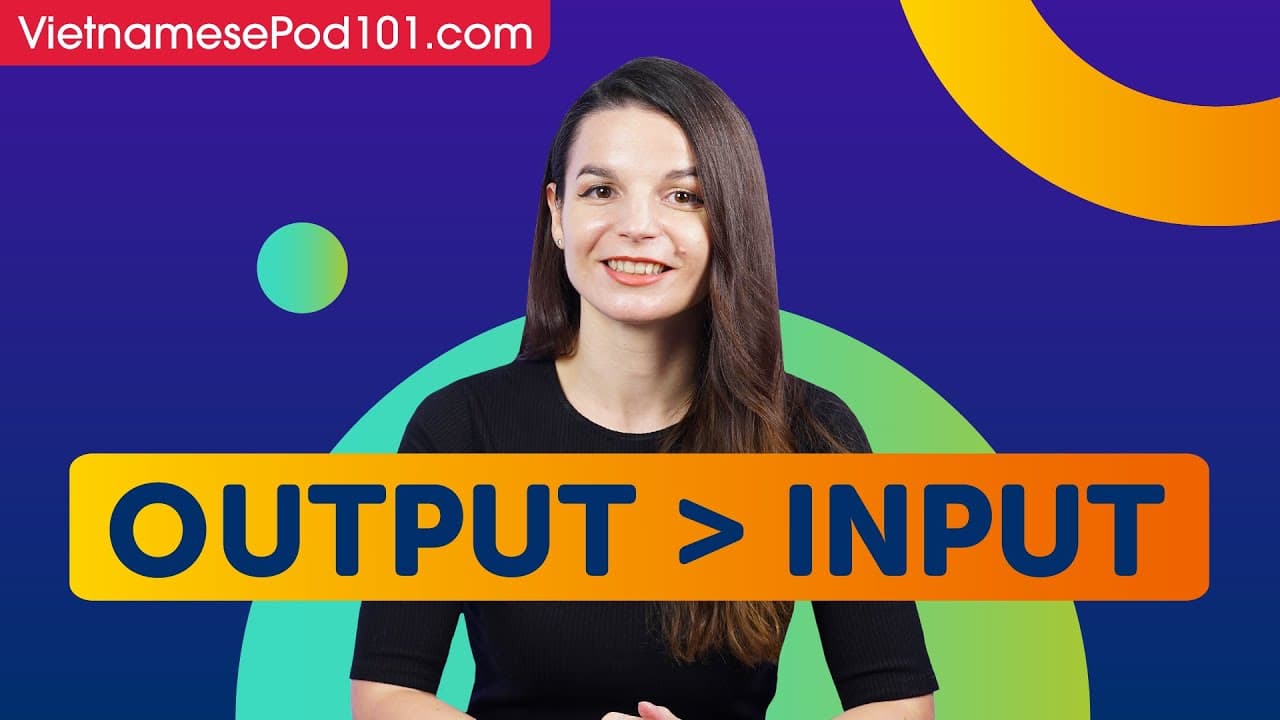
Learn faster by tracking language input and output.
Transcript
hey everyone welcome to the monthly review the monthly show on language learning where you discover new learning strategies motivational tips study tools and Resources by the way all the lessons and bonuses you're about to see can be downloaded for free on our website so click the link in the description right now to sign up for your free lifetime ... Read More
Key Insights
- Understanding the balance between input (listening and reading) and output (speaking and writing) is crucial for effective language learning.
- Tracking both input and output allows learners to measure their progress and adjust their study methods for better results.
- Most language learners focus heavily on input without measuring the output, leading to unmeasurable progress.
- By measuring input and output, learners can set realistic goals and understand the effectiveness of their study routines.
- Increasing input can lead to improved output, such as longer conversation times, by understanding the correlation between study hours and language proficiency.
- The concept of diminishing returns suggests that simply increasing input may not always proportionally increase output.
- To apply this tactic, learners should set measurable goals, track their study time, and consistently practice output activities like speaking or writing.
- The video encourages learners to use available resources and tools to enhance their language learning experience and track their progress effectively.
Install to Summarize YouTube Videos and Get Transcripts
Explore YouTube Video Summarizer or Get YouTube Transcript Extractor
Questions & Answers
Q: What is the main topic of the video?
The main topic of the video is the concept of input versus output in language learning. It emphasizes the importance of understanding and balancing these two aspects to learn a language more effectively. Input refers to activities like listening and reading, while output involves speaking and writing. The video discusses how tracking both can help measure progress and improve learning outcomes.
Q: Why is tracking input and output important?
Tracking input and output is important because it allows language learners to measure their progress and understand the effectiveness of their study methods. By knowing the relationship between the time spent on learning activities (input) and the results achieved (output), learners can set realistic goals, make informed adjustments to their study routines, and ultimately improve their language proficiency.
Q: How can learners apply the input-output tracking tactic?
Learners can apply the input-output tracking tactic by first measuring their study time and setting small, measurable goals. They should consistently engage in output activities like speaking or writing and track the results. By comparing input hours with the achieved output, learners can identify areas for improvement, adjust their study methods, and work towards achieving better language proficiency.
Q: What are some examples of input and output in language learning?
In language learning, input examples include listening to audio lessons, reading textbooks, or watching videos. These activities involve processing information and building understanding. Output examples include speaking in conversations, writing essays or journal entries, and practicing pronunciation. These activities involve using the language actively, which helps reinforce learning and improve language skills.
Q: What is the law of diminishing returns in language learning?
The law of diminishing returns in language learning suggests that simply increasing input may not always proportionally increase output. As learners invest more time in study activities, the additional benefits or improvements in language proficiency may gradually decrease. This concept highlights the need for strategic study methods and balanced input-output tracking to achieve optimal results without excessive time investment.
Q: How can learners improve their language learning outcomes?
Learners can improve their language learning outcomes by strategically balancing input and output, setting measurable goals, and tracking progress. They should focus on both processing information and actively using the language. By understanding the correlation between study time and language proficiency, learners can make informed adjustments to their study routines and use resources effectively to enhance their learning experience.
Q: What resources does the video suggest for language learning?
The video suggests various free resources available on the VietnamesePod101 website, including conversation cheat sheets, infographic ebooks, and writing workbooks. These resources are designed to help learners improve their language skills by providing structured learning materials and practical exercises. The video encourages learners to take advantage of these resources to enhance their language learning journey.
Q: What is the video’s recommendation for learners struggling with progress?
The video recommends that learners struggling with progress should start tracking their input and output. By measuring the time spent on study activities and the results achieved, learners can identify areas for improvement and make necessary adjustments to their study methods. This approach helps learners set realistic goals, understand their baseline, and work towards achieving better language learning outcomes.
Summary & Key Takeaways
-
The video discusses the importance of understanding and balancing input and output in language learning. Input involves activities like listening and reading, while output includes speaking and writing. By tracking both, learners can measure their progress and adjust their study methods accordingly.
-
Most learners focus on input without measuring output, leading to unclear progress. The video emphasizes setting measurable goals and tracking both input and output to understand the effectiveness of study routines and make necessary adjustments for better results.
-
The video provides practical tips on applying the input-output tracking method. It suggests setting small, measurable goals, tracking study time, and engaging in output activities. The approach aims to help learners improve language proficiency and achieve realistic learning outcomes.
Read in Other Languages (beta)
Share This Summary 📚
Summarize YouTube Videos and Get Video Transcripts with 1-Click
Try YouTube Summary with ChatGPT & Claude or YouTube Transcript Generator
Explore More Summaries from Learn Vietnamese with VietnamesePod101.com 📚





Summarize YouTube Videos and Get Video Transcripts with 1-Click
Try YouTube Summary with ChatGPT & Claude or YouTube Transcript Generator