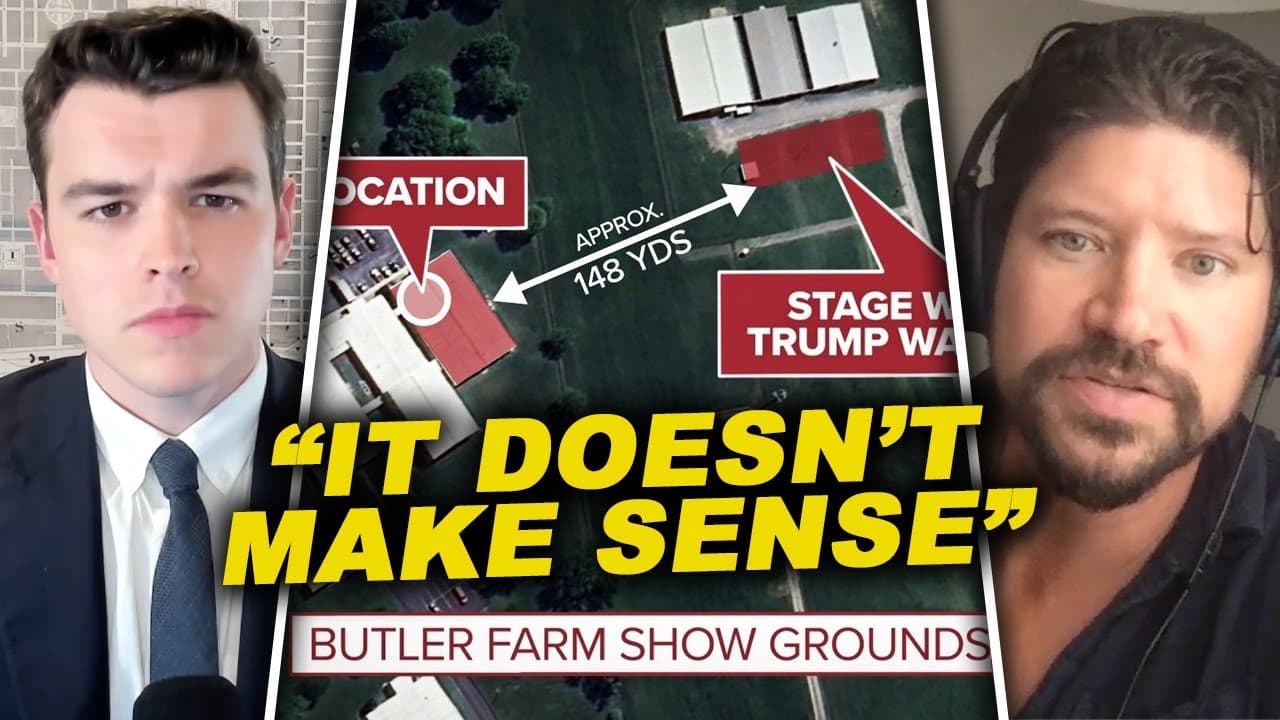
“The shooter had help”: Former JTF 2 sniper analyzes failed Trump assassination attempt
TL;DR
Dallas Alexander discusses security failures during a Trump rally shooting.
Transcript
we are now joined by Dallas Alexander a former tier one special forces sniper in the Canadian military who is protected VIPs as including the Canadian Prime Minister as a sniper detail in 2017 Alexander and his fourman sniper team set the world record for the longest confirmed kill in history at over three and a half kilometers when they took out a... Read More
Key Insights
- 😚 The role of military snipers in protective details requires meticulous planning, especially concerning potential threats posed by buildings close to the event.
- 🚨 Alexander emphasizes that security personnel must remain vigilant and coordinated, highlighting the critical nature of communication in emergency situations.
- 😑 His transition to a music career showcases the mental health benefits of creative expression after high-stress military service.
- 🙂 The discussion sheds light on broader implications for government oversight and the need for reform within military leadership to enhance operational effectiveness.
- 🪘 Security measures can no longer afford to overlook potential internal complicity, as highlighted by Alexander’s assessment of the Trump rally event.
- 🛝 Effective risk assessment is often hindered by bureaucratic constraints and a disconnect between operational commands and on-ground execution.
- 🌠 The response to the shooting incident illustrates the necessity for ongoing training and reevaluation of security protocols to adapt to evolving threats.
Install to Summarize YouTube Videos and Get Transcripts
Explore YouTube Video Summarizer or Get YouTube Transcript Extractor
Questions & Answers
Q: What security measures are typically implemented for VIP appearances?
For high-profile events, security teams establish a comprehensive lockdown of the venue's perimeter. They scout and monitor nearby buildings, particularly those offering elevated vantage points. This includes random sweeps and intelligence gathering to ensure that all potential threats are identified and addressed, which Dallas emphasizes as crucial, given his experience in threat assessment.
Q: How does Dallas Alexander perceive the response to the shooting?
Alexander strongly believes that the shooter likely had assistance from an internal source, mentioning the impracticality of positioning oneself on a rooftop close to the rally without being detected. He criticizes the apparent neglect in securing high-risk locations, suggesting that this oversight reflects deeper systemic issues in event security and coordination.
Q: What led Dallas Alexander to leave the military?
Alexander’s decision was primarily influenced by the imposition of COVID-19 mandates and a growing disappointment with the direction of military leadership. He felt increasingly at odds with the administrative processes that distracted from core operational duties, leading to a conflict of values that culminated in his departure.
Q: What changes in sniper engagement procedures were discussed?
Dallas highlighted the urgent need for clarity in Rules of Engagement (ROE) for protective details during emergencies. He explained that upon identifying a threat, snipers and security personnel must act decisively in a split second, reinforcing that the inability to respond quickly could lead to dire consequences during a threat situation.
Q: How does Dallas view the future of Canadian military recruitment and leadership?
He expresses concern that ongoing leadership issues and a perceived lack of direction could hinder recruitment efforts within the Canadian military. Effective leadership from the government and an overhaul of current practices are essential for rebuilding trust and operational effectiveness in military units.
Q: What were Dallas's observations on the military’s reaction to his public statements?
After appearing on the Shawn Ryan Show, Dallas anticipated backlash due to discussing sensitive topics regarding military mandates and operational practices. He felt there was an inconsistency in military communications, indicating a significant gap between the perceptions of military leadership and those on the ground.
Q: Why does Alexander believe this shooting incident might require further investigation?
Dallas insists that a thorough investigation is necessary to understand the events surrounding the Trump rally shooting. He advocates for accountability and improved security protocols, stressing that without addressing these systemic issues, the safety of high-profile individuals may continue to be compromised.
Summary & Key Takeaways
-
Dallas Alexander, a former Canadian special forces sniper, reflects on security lapses during a Trump rally shooting, suggesting insider complicity.
-
He describes the essential protocols and response strategies involved in protecting high-profile figures and questions the oversight evident in the event.
-
Alexander shares his transition from military service to music, emphasizing how songwriting became therapeutic for him after leaving the elite unit.
Read in Other Languages (beta)
Share This Summary 📚
Summarize YouTube Videos and Get Video Transcripts with 1-Click
Try YouTube Summary with ChatGPT & Claude or YouTube Transcript Generator
Explore More Summaries from True North 📚


Summarize YouTube Videos and Get Video Transcripts with 1-Click
Try YouTube Summary with ChatGPT & Claude or YouTube Transcript Generator