The Arrogance And Conceit Of A Well-Formed Argument (w/ Hugh Hendry) | Interview | Real Vision™
TL;DR
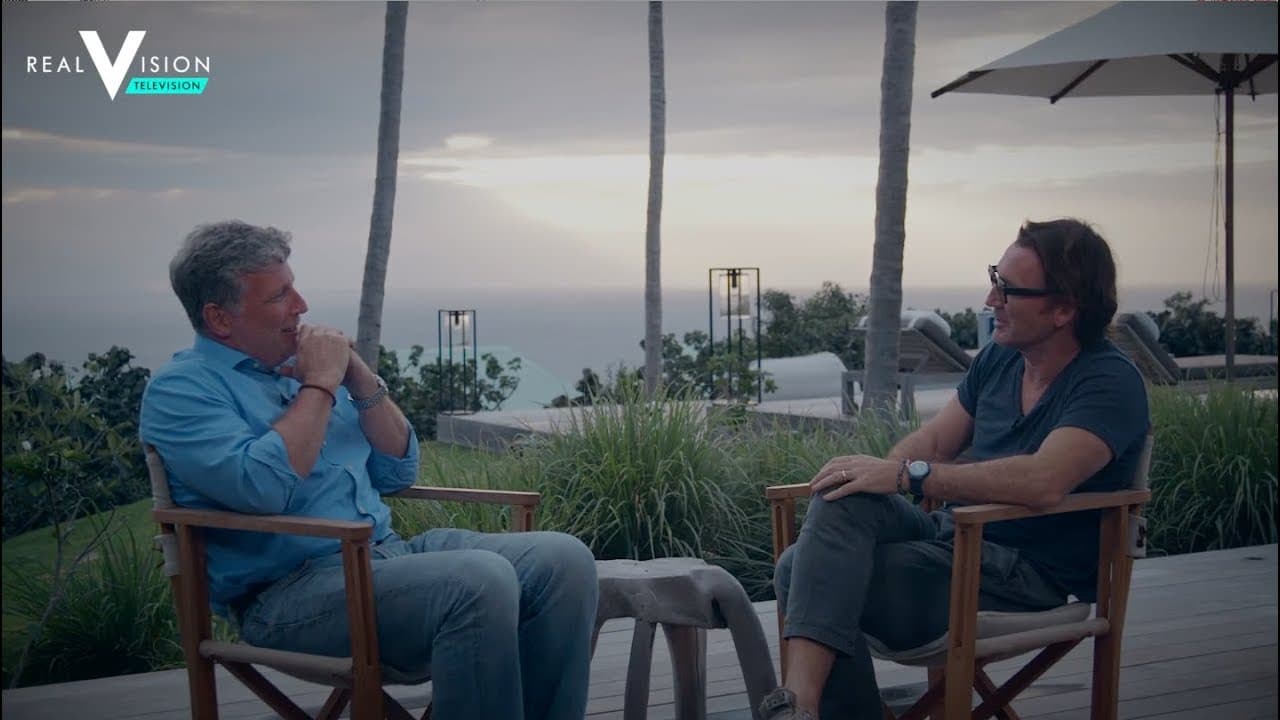
Hugh Hendry reflects on his biggest investment mistake and the importance of humility and adaptability in the financial world.
Transcript
The real Hugh Hendry is a world away from the outspoken, bombastic character with whom investors have become familiar over the years. Behind the sometimes prickly personality lies a thoughtful, introspective man who owns not only his mistakes but everything he says, who has no problem with being told he's wrong and why. In my recent conversation wi... Read More
Key Insights
- 🙃 Hugh Hendry recognizes and embraces his own mistakes, highlighting the importance of owning one's actions and words.
- 💁 The downfall of his investment in Reader's Digest taught him to value humility and not rely solely on well-formed arguments.
- 🌍 He stresses the need for adaptability and diligence in making investment decisions, considering real-world trends and signals.
- 😃 Hugh emphasizes the joy and intellectual challenge of creating complex trades and pondering the potential outcomes.
- ♻️ Hendry believes that diversifying portfolios has become increasingly difficult in today's market environment.
- 🪘 He acknowledges the role of quantitative easing in reducing volatility and the challenges it poses for long volatility trades.
- 😘 Hugh expresses his disappointment in the lack of investor appreciation for his low correlation and risk management strategies.
Install to Summarize YouTube Videos and Get Transcripts
Explore YouTube Video Summarizer or Get YouTube Transcript Extractor
Questions & Answers
Q: What was Hugh Hendry's biggest mistake in investing?
Hugh's biggest mistake was investing in Reader's Digest and being overly confident in its success, despite overlooking warning signals and real-world trends.
Q: What lessons did Hugh Hendry learn from his mistake?
He learned the importance of humility and not becoming hostage to clever narratives. He realized that well-formed arguments need to be validated by real-world trends and signals.
Q: How does Hugh Hendry view the role of intellectual analysis in investing?
While he encourages coming up with new ideas and theories, he warns against blindly applying them without considering their relevance and validation through real-world factors.
Q: What does Hugh Hendry miss most about managing money?
He misses the excitement and intellectual challenge of creating complex trades and envisioning what could happen if their thesis proves to be right.
Summary & Key Takeaways
-
Hugh Hendry discusses his investment in Reader's Digest, which he believed was a sure-fire success but ultimately went bankrupt.
-
He admits to being arrogant and overly confident in his well-formed arguments, underestimating the importance of real-world trends and signals.
-
Hendry emphasizes the need for diligence, wisdom, and adaptability when it comes to investment decisions and the dangers of becoming hostage to clever narratives.
Read in Other Languages (beta)
Share This Summary 📚
Summarize YouTube Videos and Get Video Transcripts with 1-Click
Try YouTube Summary with ChatGPT & Claude or YouTube Transcript Generator
Explore More Summaries from Real Vision 📚
Summarize YouTube Videos and Get Video Transcripts with 1-Click
Try YouTube Summary with ChatGPT & Claude or YouTube Transcript Generator