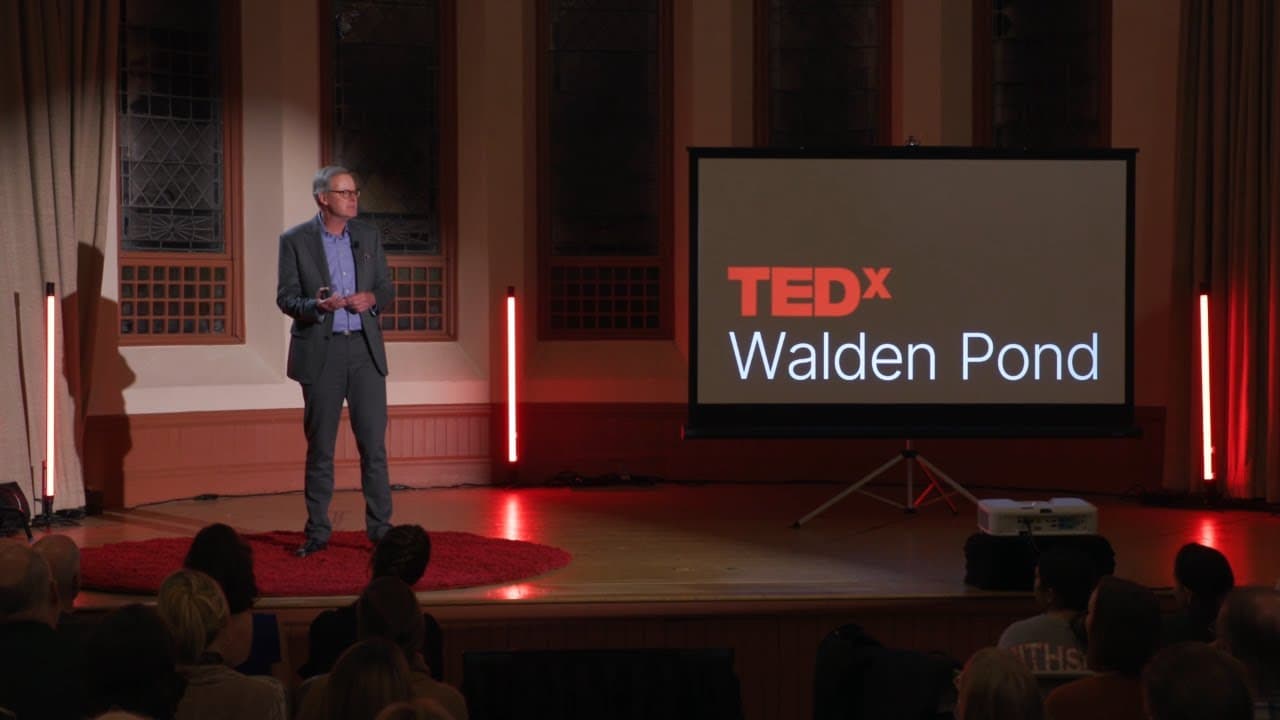
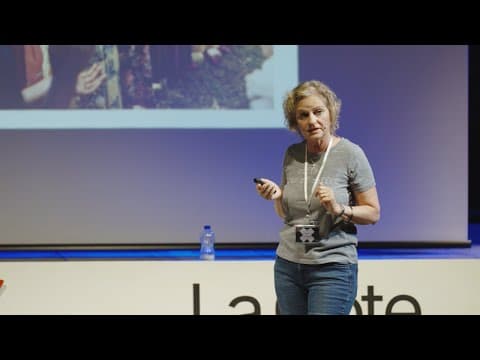
Overcoming the Faults in our Default Thinking | Eric McNulty | TEDxWalden Pond
TL;DR
Cooperation over competition for solving global challenges.
Transcript
I'd like to take you back to your first days at school remember those teacher asked a question what's the capital of North Dakota and your hand shot up you wanted to be the first one with the right answer yeah that was me or maybe you were the kid who pulled his arm down tight and tried to hide behind the person in front of you you didn't want to g... Read More
Key Insights
- 🤔 Default thinking shaped by competition from early schooling days.
- 🤩 Human evolution favors cooperation as a key survival strategy.
- ✊ Stories of teamwork in sports, disasters, and activism highlight the power of collective action.
- ❓ Shifting from scarcity to abundance mindset fosters inclusive problem-solving.
- ❓ Language framing as "we" encourages shared responsibility and action.
- ❓ Teamwork in crisis situations showcases the effectiveness of collaborative efforts.
- 🦸 Lone heroes have their place, but collective action drives substantial change.
Install to Summarize YouTube Videos and Get Transcripts
Explore YouTube Video Summarizer or Get YouTube Transcript Extractor
Questions & Answers
Q: How has default thinking of competition impacted our ability to tackle global challenges?
The emphasis on individual competition has hindered our capacity to address pressing global issues effectively. Cooperation and teamwork are essential in achieving meaningful progress towards solutions that benefit the collective good.
Q: What role do narratives and stories play in shaping our default thinking?
Stories of lone heroes have dominated narratives, but reality shows that teamwork drives effective change. By shifting our narrative focus to collective efforts, we can embrace the power of collaboration for addressing complex problems.
Q: Why is shifting from scarcity to abundance mindset crucial in confronting challenges?
Viewing resources and talent as abundant and accessible allows for inclusive participation in problem-solving. The shift promotes recognizing and utilizing the diverse contributions of individuals towards shared goals.
Q: How can language impact our shift from me to we thinking?
The language we use shapes our perceptions and actions. By embracing collective language, such as "we," we foster a mindset of shared responsibility and cooperation, leading to more holistic and effective problem-solving approaches.
Summary & Key Takeaways
-
Default thinking shaped by competition since school days.
-
Humans evolved to thrive through cooperation, not competition.
-
Stories of teamwork from sports, disasters, and activism demonstrate collective success.
Read in Other Languages (beta)
Share This Summary 📚
Summarize YouTube Videos and Get Video Transcripts with 1-Click
Try YouTube Summary with ChatGPT & Claude or YouTube Transcript Generator
Explore More Summaries from TEDx Talks 📚


Summarize YouTube Videos and Get Video Transcripts with 1-Click
Try YouTube Summary with ChatGPT & Claude or YouTube Transcript Generator