Victorian Pseudosciences: Shocking People Back to Health
TL;DR
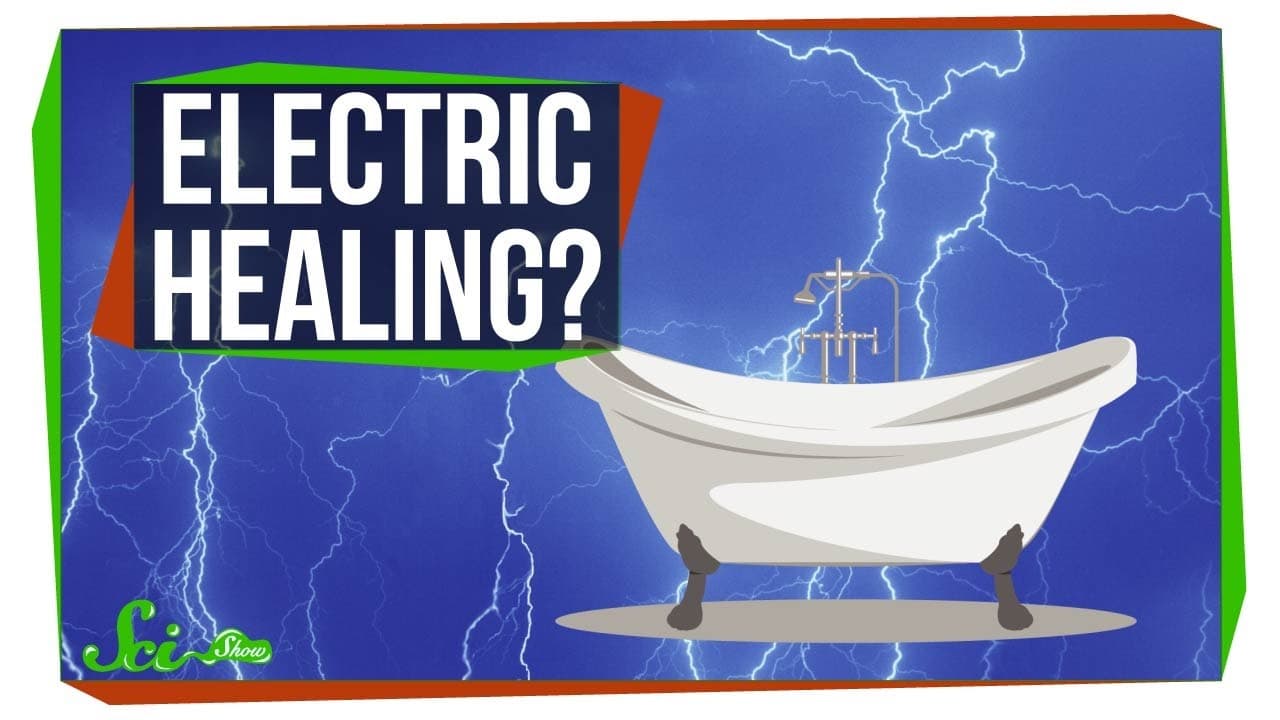
In the mid-1800s, electropathic therapy, based on the pseudoscience of electricity, was popular in Victorian England, but it ultimately proved ineffective and dangerous.
Transcript
Say you show up at your doctor's office with some sniffles and a really sore throat. You'd probably expect them to prescribe you some medicine, or tell you to rest. But what if the doctor handed you some metal rods, hooked them up to a generator, and sent an electric current through your body to make a spasm? Not your typical doctor's appointment, ... Read More
Key Insights
- 😷 Electropathy, a popular medical practice in Victorian England, was based on pseudoscience and lacked scientific research or evidence.
- 🛀 Physicians experimented with various electropathic treatments, including hydroelectric baths and magneto-electric machines, but these often resulted in accidents or provided no biological benefits.
- 🥺 The fad of electropathy led to the creation of numerous bogus electrical devices that claimed healing powers but had no efficacy.
- 😷 Modern electrophysiology studies continue to explore the interaction between electricity and the human body, but medical therapies involving electricity, such as TENS, have shown mixed results.
Install to Summarize YouTube Videos and Get Transcripts
Explore YouTube Video Summarizer or Get YouTube Transcript Extractor
Questions & Answers
Q: How did the pseudoscience of electropathy originate?
The study of electricity and its effects on living bodies began with Luigi Galvani, but it was Alessandro Volta who realized that the twitching muscles in dissected frogs were caused by the metals, not "animal electricity."
Q: What were some electropathic therapies used in Victorian England?
Some electropathic therapies included hydroelectric baths, where patients were immersed in water with electric currents passing through, and the use of magneto-electric machines that shocked patients.
Q: Why did the public in Victorian England embrace electropathic treatments?
The concept of electricity was seen as mysterious and miraculous, leading the public to believe in the potential healing powers of electropathy, despite the lack of concrete evidence.
Q: Are there any modern therapies that utilize electricity in medicine?
TENS (Transcutaneous Electrical Nerve Stimulation) is a therapy where weak electrical currents are applied to the skin to stimulate nerves and relieve pain. However, scientific studies on its effectiveness have been mostly negative or inconclusive.
Summary & Key Takeaways
-
Electropathy, the use of electricity to cure medical problems, was common in Victorian England but lacked scientific research and evidence.
-
Physicians attempted various electropathic treatments, such as hydroelectric baths and the use of magneto-electric machines, but these often resulted in accidents or had no biological benefit.
-
The market was flooded with bogus electrical devices claiming healing powers, leading to a decline in the popularity of electropathy.
Read in Other Languages (beta)
Share This Summary 📚
Summarize YouTube Videos and Get Video Transcripts with 1-Click
Try YouTube Summary with ChatGPT & Claude or YouTube Transcript Generator
Explore More Summaries from SciShow 📚

Summarize YouTube Videos and Get Video Transcripts with 1-Click
Try YouTube Summary with ChatGPT & Claude or YouTube Transcript Generator