Is Everything Fascist?
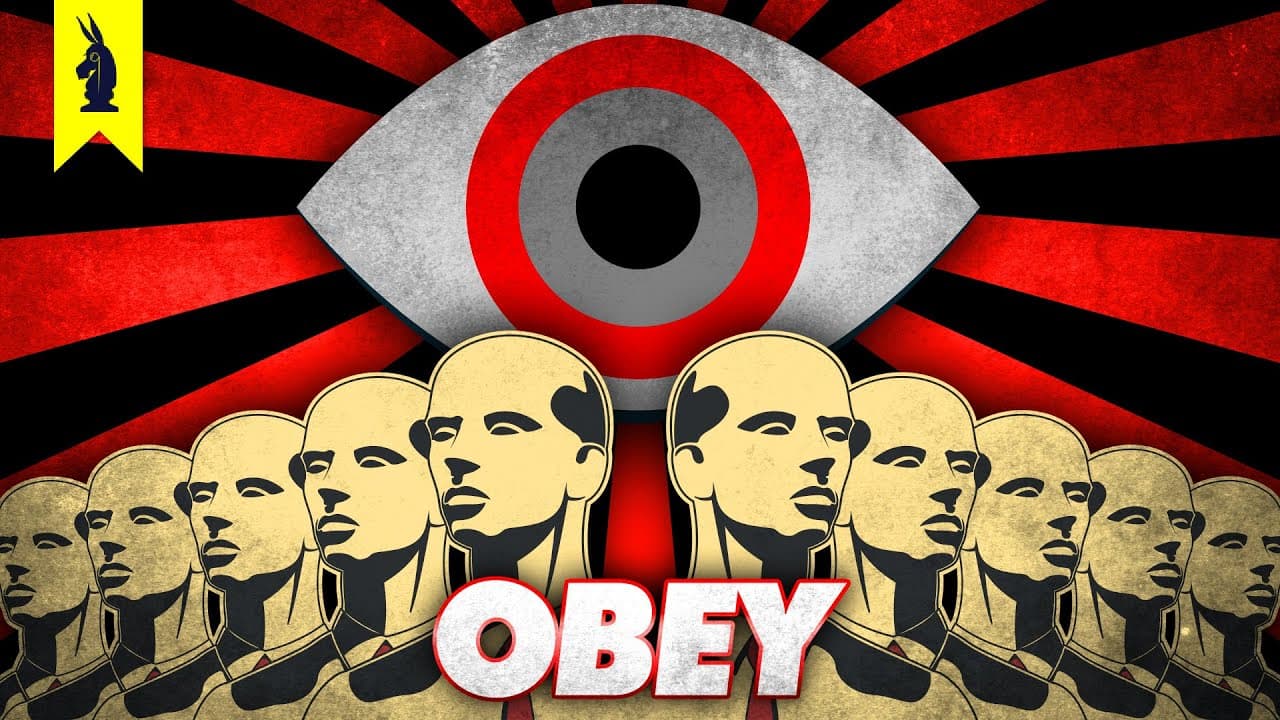
TL;DR
The video explores Adorno's views on fascism and culture in modern society.
Transcript
this video is brought to you by Masterworks if you've watched watched wisecrack over the year of the year you're used to hearing about philosophers like Plato and Aristotle Contin but there is one name that's come up a lot over the years both because of his philosophical importance and His World historic level of crankiness Theodore adorno now if y... Read More
Key Insights
- ✊ Adorno's critical theory offers a framework to analyze the relationship between culture and societal power dynamics.
- 🛟 His critique of popular culture serves as a warning against complacency toward authoritarian tendencies manifesting in everyday life.
- 💀 Adorno's experiences during the Holocaust significantly informed his views on the dangers posed by cultural norms and ideologies.
- 😷 The philosopher's disdain for jazz and Hollywood highlights his belief that culture can mask deeper societal issues.
- 🥺 He proposed that astrology-related ideologies may lead audiences to relinquish autonomy, making them susceptible to fascist appeals.
- 🤔 Adorno emphasized the importance of dialectical thinking as a means to resist dogmatic truths that support totalitarian regimes.
- 💆 His concept of the "culture industry" critiques how mass-produced culture commodifies individuality while perpetuating social conformity.
Install to Summarize YouTube Videos and Get Transcripts
Explore YouTube Video Summarizer or Get YouTube Transcript Extractor
Questions & Answers
Q: Who was Theodor Adorno, and why is he significant in philosophy?
Theodor Adorno was a German philosopher and member of the Frankfurt School, known for his critical theories that combined Marxism and psychoanalysis. He is significant for analyzing culture's role in society, particularly how it can perpetuate ideologies that lead to fascism and social conformity.
Q: What is critical theory, and how does it relate to Adorno's work?
Critical theory originated from the Frankfurt School in the 1920s, combining Marxist thought with sociological and psychoanalytic insights. Adorno utilized critical theory to critique capitalist society's cultural products, arguing they promote a false sense of individuality while masking underlying authoritarian tendencies.
Q: What are some examples of cultural products Adorno criticized, and what were his reasons?
Adorno criticized jazz music and Hollywood films, viewing them as embodiments of a culture industry that perpetuates conformity and authoritarianism. He believed these forms of entertainment create an illusion of individuality while actually promoting social norms that can lead to fascist ideologies.
Q: How did Adorno's personal experiences influence his philosophical outlook?
Adorno's experiences of exile from Nazi Germany and witnessing the atrocities of WWII shaped his pessimism regarding human society. His Jewish heritage and the trauma of the Holocaust deepened his critical perspective on cultural complacency and the potential for authoritarianism in everyday life.
Q: What was Adorno's perspective on astrology and its societal implications?
Adorno critiqued astrology columns as reflecting a culture that encourages dependence on external systems of belief. He argued that this reliance fosters a mindset that could readily submit to authoritarian figures, equating this to the acceptance of fascist ideologies in society.
Q: How did Adorno’s work suggest a relationship between philosophy and authoritarianism?
Adorno believed that certain philosophical frameworks could justify authoritarianism by promoting fixed truths that marginalize alternative viewpoints. He critiqued figures like Heidegger for fostering an ontology that paved the way for ideological rigidity, leading to systemic injustices and totalitarianism.
Q: What lessons can contemporary society draw from Adorno's warnings about culture and fascism?
Contemporary society can learn from Adorno's critiques by questioning cultural narratives that promote conformity, particularly in entertainment and social media. Understanding how seemingly benign practices can contain insidious messages is crucial in resisting authoritarianism and fostering egalitarianism.
Summary & Key Takeaways
-
The video examines Theodor Adorno's critical theory, especially his pessimistic outlook on culture and its potential tie to fascism, influenced by his experiences during and after WWII.
-
It discusses Adorno's disdain for popular culture, including jazz and Hollywood films, arguing they promote a false sense of individuality while reinforcing social conformity.
-
The content highlights Adorno's belief that societal complacency toward cultural norms can lead to greater acceptance of authoritarian ideas and undermines meaningful social change.
Read in Other Languages (beta)
Share This Summary 📚
Summarize YouTube Videos and Get Video Transcripts with 1-Click
Try YouTube Summary with ChatGPT & Claude or YouTube Transcript Generator