Everyone Wants Bitcoin Globally
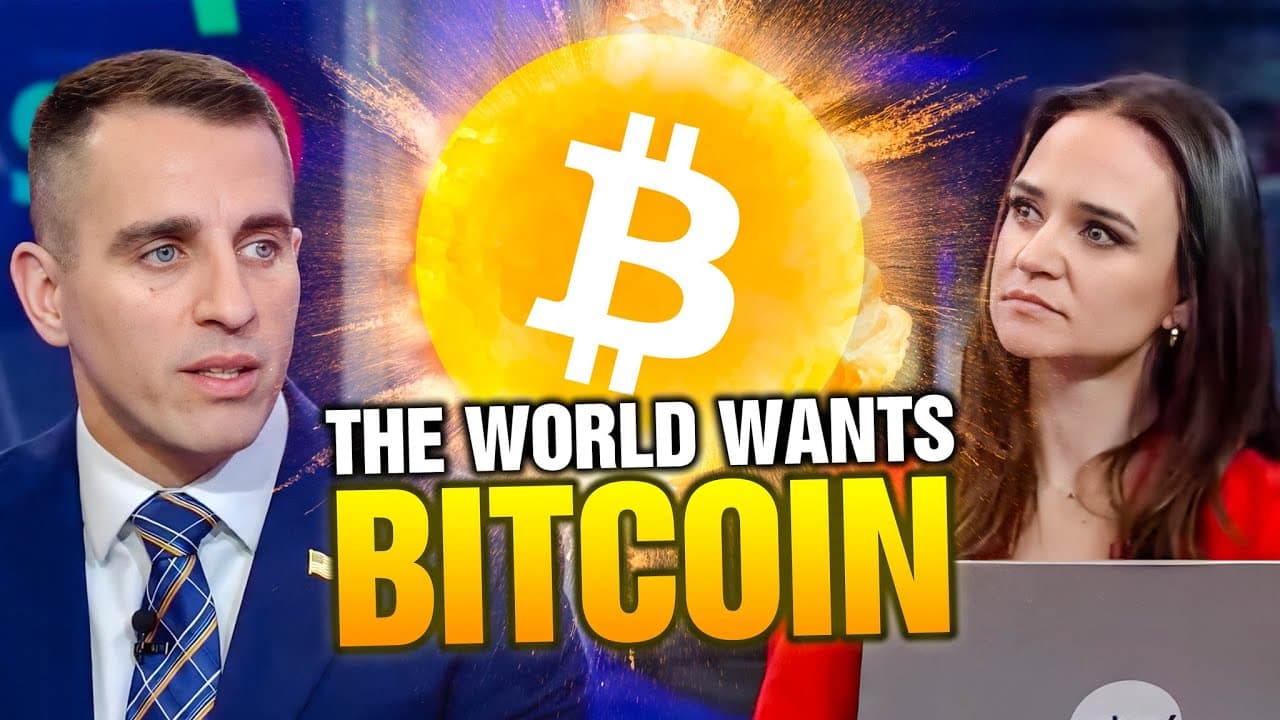
TL;DR
Bitcoin shows strong long-term momentum amid ETF approvals and evolving institutional interest.
Transcript
T STILL AT 200 DAY MOVING AVERAGE HIGHS. WHAT DOES IT TELL YOU ABOUT THE MOMENTUM FOR BITCOIN MOVING FORWARD. >> YEAH I THINK THAT A LOT OF PEOPLE GET DISTRACTED BY THE DAY TO DAY PRICE RIGHT. IT'S A VOLATILE ASSET. BUT REALLY THE VOLATILITY OF IT IS THE US DOLLAR EXCHANGE PRICE. SO IT'S HOW MANY DOLLARS ARE PEOPLE WILLING TO DEPART WITH IN ORDER T... Read More
Key Insights
- 🫵 Bitcoin's performance is increasingly viewed through the lens of institutional investment and ETF approvals, enhancing its market legitimacy.
- 🤑 The historical tendency of Bitcoin prices to rise over long periods reflects its nature as a scarce asset, akin to real estate and other sound money principles.
- ❓ Regulatory clarity is becoming crucial, with the SEC's efforts potentially influencing innovation and investment in the crypto landscape.
- 🙃 Institutional investors are motivated by both the need for portfolio diversification and the potential upside associated with Bitcoin, creating bullish market sentiment.
- 🧑🏭 The relationship between Bitcoin prices and macroeconomic factors, particularly fiat currency debasement, underscores Bitcoin's role as a hedge against inflation.
- ❓ As more financial entities embrace Bitcoin, this could further propel market demand, potentially resulting in price increases that attract additional retail investors.
- 💨 Political shifts can signal changes in the regulatory environment for cryptocurrencies, paving the way for clearer guidelines that impact user engagement and investment strategies.
Install to Summarize YouTube Videos and Get Transcripts
Explore YouTube Video Summarizer or Get YouTube Transcript Extractor
Questions & Answers
Q: What does the 200-day moving average indicate about Bitcoin's performance?
The 200-day moving average is a crucial indicator of Bitcoin's long-term price trends. Being above this average suggests sustained momentum in buying interest and investor confidence. Many view this as a signal that Bitcoin remains a desirable asset, with a solid long-term trajectory despite the inherent short-term volatility.
Q: How are ETF approvals impacting Bitcoin investment?
The approval of Bitcoin ETFs has significantly boosted institutional interest, as firms like BlackRock and Fidelity publicly commit to Bitcoin allocations. This indicates a shift where institutional players are not only entering the market but are also encouraging others to explore Bitcoin as a legitimate investment asset, thus potentially driving demand and price upward.
Q: What are the implications of the SEC’s current stance on cryptocurrencies?
The SEC's enforcement actions and ongoing lawsuits symbolize a larger struggle for regulatory clarity in the crypto space. Entities in the crypto industry are seeking clear guidelines, as ambiguity can deter investment and innovation. The outcomes of these issues will shape the future operational environment for crypto businesses significantly.
Q: How might upcoming elections influence cryptocurrency regulation?
Political dynamics surrounding cryptocurrency may shift based on candidate perspectives. Younger candidates, showing favor towards Bitcoin and crypto technologies, may lead to more progressive regulatory frameworks. As generational change occurs in politics, their views could alter the landscape for how cryptocurrencies are perceived and regulated in the future.
Q: Why is Bitcoin considered a hedge against dollar inflation?
Bitcoin’s fixed supply of 21 million coins positions it as a hedge against inflation, especially as governments continue monetary policies that debase fiat currencies like the US dollar. As the dollar loses value, more dollars will be required to purchase Bitcoin, suggesting a long-term upward price trajectory correlated with inflation.
Q: What relevance does the GrayScale fund’s recent inflow and outflow activity have?
GrayScale's substantial outflows, followed by recent inflows, reflect shifting investor sentiment in the market. While the outflow may indicate initial negative reactions to fees or competition, inflows suggest renewed interest, potentially signaling a turning point where institutional money is re-entering the market as conditions improve.
Q: What future market trends could affect Bitcoin's price?
Key upcoming events such as the Bitcoin halving and continued regulatory developments will play crucial roles in shaping market trends. The halving reduces Bitcoin supply, historically correlating with price increases. Coupled with institutional adoption, these factors create a scenario where long-term bullish trends may accelerate substantially.
Q: How significant is the role of institutional investors in Bitcoin's future?
Institutional investors not only bring capital but their involvement legitimizes Bitcoin as an asset class. Their strategic allocations can influence market dynamics, driving demand and potentially resulting in higher valuations over time, especially as they begin to commit larger portions of their portfolios to Bitcoin investments.
Summary & Key Takeaways
-
Bitcoin's long-term desirability is underscored by its rise above the 200-day moving average, indicating continued strong momentum among investors despite its volatile price.
-
Institutional involvement in Bitcoin investment is increasing, particularly due to ETF approvals, prompting a reassessment among major financial players about how to allocate within their portfolios.
-
Regulatory clarity is a critical issue for the cryptocurrency industry amidst evolving legal landscapes and political attitudes, suggesting a need for strategic discussions in the coming years.
Read in Other Languages (beta)
Share This Summary 📚
Summarize YouTube Videos and Get Video Transcripts with 1-Click
Try YouTube Summary with ChatGPT & Claude or YouTube Transcript Generator
Explore More Summaries from Anthony Pompliano 📚

Summarize YouTube Videos and Get Video Transcripts with 1-Click
Try YouTube Summary with ChatGPT & Claude or YouTube Transcript Generator