Imposter Syndrome Is Holding You Back In Life...
TL;DR
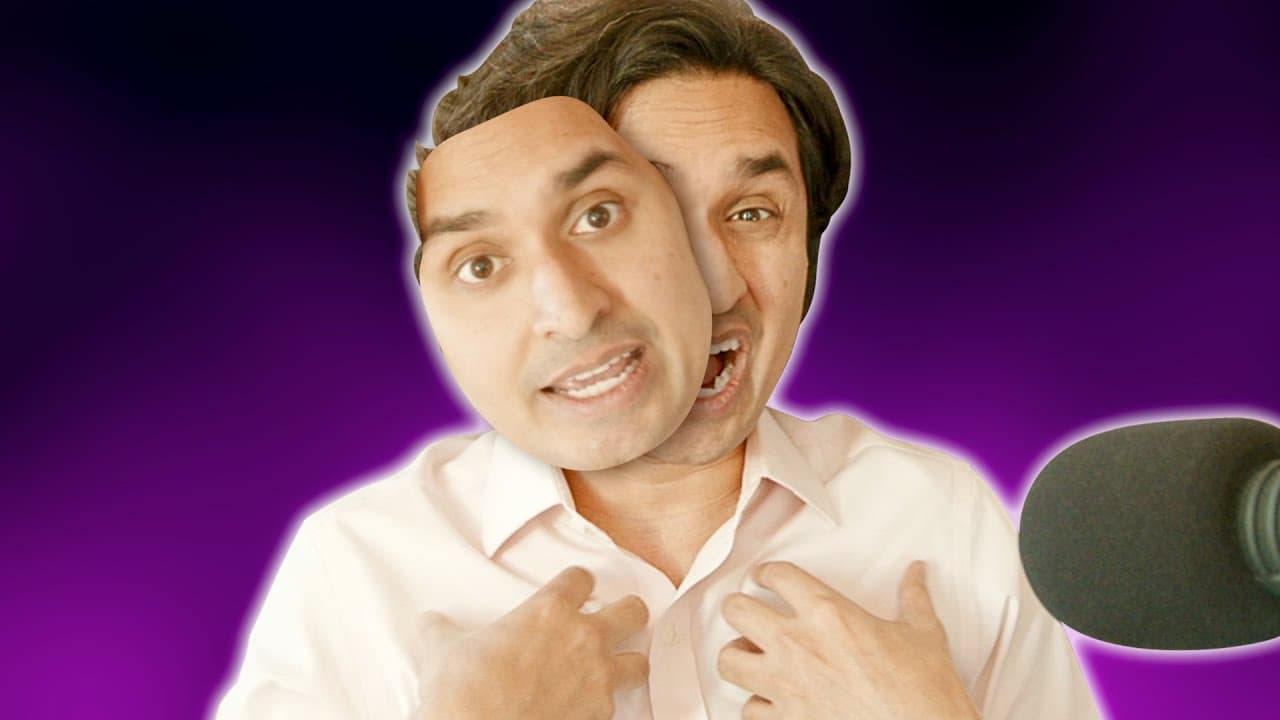
Imposter syndrome is a feeling of being a fraud and fearing that one's accomplishments are undeserved, leading to high stress levels and a constant fear of being exposed.
Transcript
today we're going to talk a little bit about imposter syndrome and let's start off by understanding what the experience of having imposter syndrome is like the people with imposter syndrome oftentimes feel like imposters they feel like they're living a fake life they tend to be terrified that one day someone will figure out that they don't actually... Read More
Key Insights
- 🥺 Imposter syndrome leads individuals to feel like imposters, fearing exposure as fraudulent.
- ✋ Childhood experiences, such as being compared to high-achieving siblings or growing up in high-pressure families, can contribute to imposter syndrome.
- 🤳 Success and accomplishments do not boost the self-esteem of individuals with imposter syndrome; instead, they reinforce feelings of being a fraud.
- ☺️ Imposter syndrome can be advantageous in driving individuals to work harder, but it also leads to high stress levels and an inability to relax.
- ❓ Imposter syndrome is not a recognized psychiatric diagnosis and may not be effectively addressed in traditional therapy settings.
- ❓ Cognitive patterns, such as devaluing personal efforts and relying on external validation, contribute to imposter syndrome and can be challenged.
Install to Summarize YouTube Videos and Get Transcripts
Explore YouTube Video Summarizer or Get YouTube Transcript Extractor
Questions & Answers
Q: What is imposter syndrome?
Imposter syndrome is a psychological phenomenon where individuals feel like frauds, fearing that their accomplishments are undeserved and that they don't truly belong.
Q: How does imposter syndrome affect individuals?
Imposter syndrome leads to high stress levels, constant fear of being exposed, and a belief that success is not based on their own competence or efforts.
Q: What are the common triggers for imposter syndrome?
Imposter syndrome often stems from childhood experiences, such as being compared to high-achieving siblings or growing up in high-pressure, high-achieving families.
Q: Can imposter syndrome be overcome?
While not a recognized psychiatric diagnosis, imposter syndrome can be addressed by challenging cognitive patterns, such as attributing success to personal efforts, recognizing others' accomplishments as a result of luck and advantages, and developing a sense of pride in one's own achievements.
Summary & Key Takeaways
-
Imposter syndrome is characterized by feelings of being an imposter and living a fake life, with constant fear of being exposed as undeserving.
-
Imposter syndrome often stems from childhood experiences, such as being compared to a high-achieving sibling or being labeled as a gifted child.
-
People with imposter syndrome tend to devalue their own efforts and attribute their success to luck or external factors.
-
Imposter syndrome can be adaptive in driving individuals to work harder, but it also leads to high levels of stress and anxiety.
Read in Other Languages (beta)
Share This Summary 📚
Summarize YouTube Videos and Get Video Transcripts with 1-Click
Try YouTube Summary with ChatGPT & Claude or YouTube Transcript Generator
Explore More Summaries from HealthyGamerGG 📚




Summarize YouTube Videos and Get Video Transcripts with 1-Click
Try YouTube Summary with ChatGPT & Claude or YouTube Transcript Generator