How Japan Leads in Economic Security Strategy
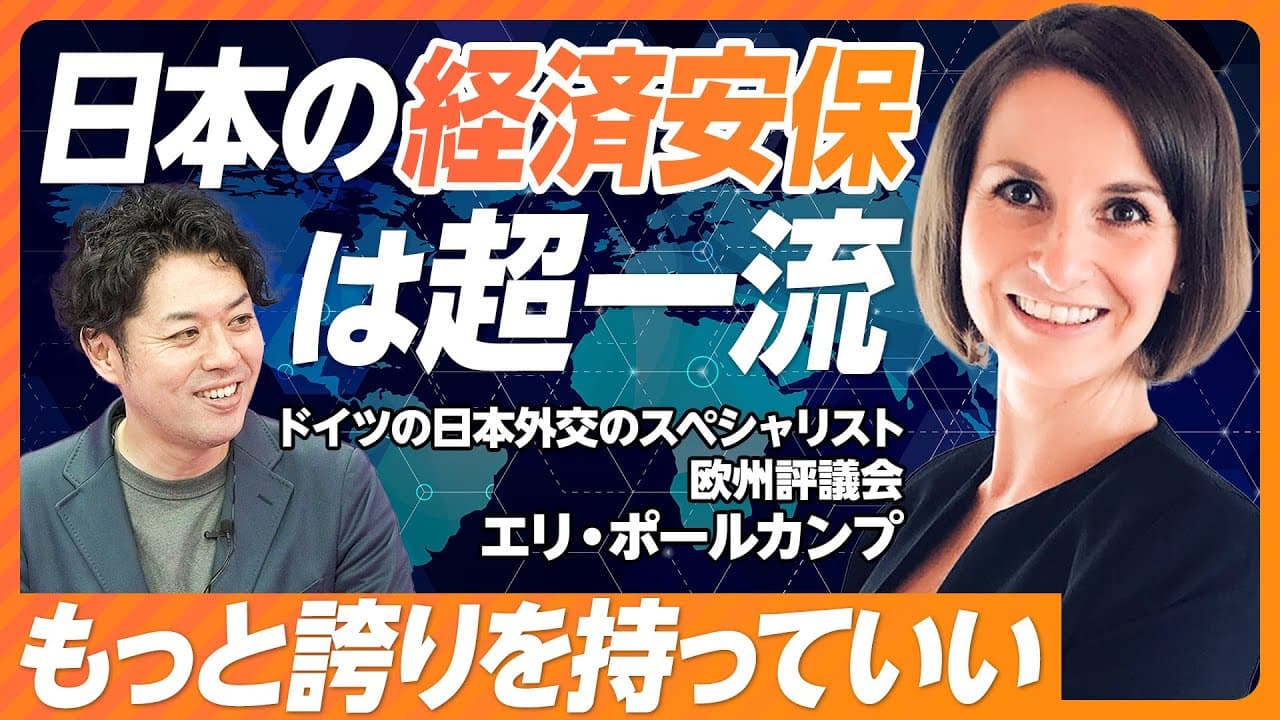
TL;DR
Japan is significantly ahead in economic security strategy, integrating it into national policy and linking it to defense. The Kishida administration's diplomacy has elevated economic security on the global stage, particularly in response to challenges from China. Japan's proactive stance is seen as a model, though implementation remains crucial.
Transcript
and this is because the Japanese government is 10 or 100 steps ahead of the German government and in Economic Security such as microelectronics quantum computers robotics AI biotechnology questions thank you very much thank you so much for hosting me today so you're in Berlin right now I'm in Munich actually yeah yeah I am based on Berlin but I'm w... Read More
Key Insights
- Japan is 10 steps ahead of Germany in economic security strategy formulation.
- Economic security is crucial for national stability and innovation.
- Japan's strategy links economic security with national defense.
- The Kishida administration has prioritized economic security in diplomacy.
- Public opinion influences policy, highlighting the need for awareness.
- De-risking, not decoupling, is the strategy towards China.
- Semiconductors are pivotal in global economic and security dynamics.
- Japan's collaboration with Taiwan on semiconductors is a de-risking move.
Install to Summarize YouTube Videos and Get Transcripts
Explore YouTube Video Summarizer or Get YouTube Transcript Extractor
Questions & Answers
Q: How is Japan leading in economic security?
Japan leads in economic security by integrating it into its national security strategy, making it a central diplomatic focus under the Kishida administration. The country has developed a clear strategy, unlike many Western nations, and has been proactive in addressing challenges from China and other geopolitical threats.
Q: Why is economic security important?
Economic security underpins national stability, fostering job creation, trade, and innovation. It is essential for a country to weather economic downturns and crises by diversifying sectors, investing in R&D, and maintaining a robust financial system. This integration into national policy enhances a nation's global influence and social welfare.
Q: What is the de-risking strategy towards China?
De-risking refers to minimizing risks and reducing dependencies on China without fully decoupling. This strategy, emphasized by the G7, seeks to maintain economic ties while safeguarding against geopolitical risks, particularly in high-tech sectors like semiconductors and AI. It aims for resilience through diversified partnerships.
Q: How do semiconductors impact economic security?
Semiconductors are vital for digital technology, powering devices from smartphones to medical equipment. They drive economic growth and competitiveness, making them crucial for national security. Countries strive for a reliable supply chain, recognizing semiconductors' role in technological sovereignty and geopolitical strategy.
Q: What role does public opinion play in economic security policy?
Public opinion can pressure policymakers by influencing political dynamics and agenda setting. In democratic societies, public sentiment affects government legitimacy and decision-making, particularly in foreign policy. Educating the public on complex issues like economic security is crucial for informed discourse and effective policy.
Q: How has Japan's public opinion on security changed?
Japanese public awareness of security threats has increased, driven by geopolitical tensions, particularly with China. The war in Ukraine heightened perceptions of risk, aligning public opinion with government strategies on national and economic security. This shift supports Japan's proactive defense and economic policies.
Q: What is Japan's strategy in the semiconductor industry?
Japan collaborates with Taiwan, building semiconductor facilities to de-risk and enhance production capabilities. This strategic move diversifies supply chains, reducing dependency on geopolitical hotspots. Japan aims to strengthen its semiconductor industry, crucial for economic security and technological competitiveness.
Q: How can Japan improve its economic security implementation?
Japan can enhance implementation by fostering collaboration between government and business sectors, ensuring communication and alignment on economic security goals. Sharing best practices and experiences with global partners will also be crucial. Effective implementation requires ongoing evaluation and adaptation to emerging challenges.
Summary & Key Takeaways
-
Japan has taken a lead in economic security by integrating it into its national security strategy. This proactive approach, driven by the Kishida administration, positions Japan as a model for other nations. However, the challenge remains in effective implementation of these strategies.
-
The concept of de-risking rather than decoupling from China is emphasized, reflecting the complex interdependencies in global trade. Japan's approach to economic security is seen as a necessary response to geopolitical tensions, particularly in the Indo-Pacific region.
-
Semiconductors are highlighted as critical to economic and national security, with Japan's collaboration with Taiwan on semiconductor production seen as a strategic move. Public opinion plays a vital role in shaping policy, underscoring the importance of informed discourse.
Read in Other Languages (beta)
Share This Summary 📚
Summarize YouTube Videos and Get Video Transcripts with 1-Click
Try YouTube Summary with ChatGPT & Claude or YouTube Transcript Generator
Explore More Summaries from PIVOT 公式チャンネル 📚






Summarize YouTube Videos and Get Video Transcripts with 1-Click
Try YouTube Summary with ChatGPT & Claude or YouTube Transcript Generator