These Edible Water Bottles Are Unbelievable | DIY Edible Plastic
TL;DR
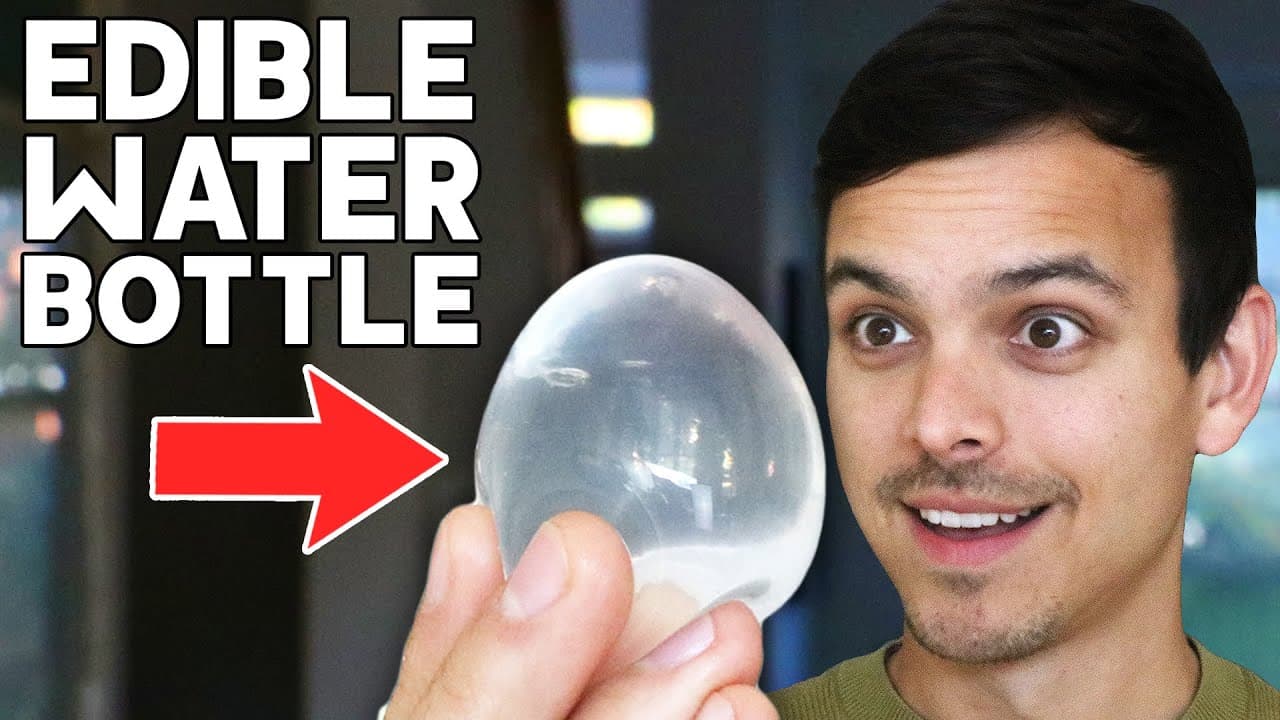
In this video, the hosts experiment with creating edible plastic using sodium alginate and calcium lactate, showcasing the potential for reducing plastic waste.
Transcript
- This is a completely edible plastic with drinking water inside that we just made at home and could be a huge step towards a future with less plastic waste. In today's video, which is sponsored by KiwiCo we're not only gonna go through how we made them, but also attempt making edible ketchup packages, coffee cup pods and more. So we all know that ... Read More
Key Insights
- 😒 Single-use plastics pose significant environmental challenges, with limited recycling capabilities.
- 🎁 DIY edible plastic using sodium alginate and calcium lactate presents a potential solution to reduce plastic waste.
- ❓ Companies are already developing sustainable packaging alternatives, including compostable materials and edible utensils.
- 😃 The biggest drawback for biodegradable plastics is the time it takes for them to break down in landfills.
- ⛽ Edible plastics offer the advantages of eliminating disposal needs and reducing reliance on fossil fuels.
- 👨🔬 Research into alternative methods of breaking down plastics, such as bacteria or waxworms, shows promise but scalability remains a challenge.
- 👻 The hosts' experiments with ketchup packages and coffee bubbles highlight the versatility and potential applications of edible plastics.
Install to Summarize YouTube Videos and Get Transcripts
Explore YouTube Video Summarizer or Get YouTube Transcript Extractor
Questions & Answers
Q: What are the main issues with single-use plastics?
Single-use plastics contribute to landfill waste and plastic pollution in oceans. The recycling of plastic is often ineffective, leading to further environmental damage.
Q: How do the hosts create the edible plastic?
They mix sodium alginate with drinking water using a blender and then drop small spheres of the mixture into a solution of calcium lactate. A reaction occurs, resulting in encapsulated water or edible plastic.
Q: What are some potential uses for this edible plastic?
The hosts experiment with edible ketchup packages and coffee bubbles. The video mentions other companies developing compostable food packaging, waterproof takeout boxes, and edible utensils made from potatoes.
Q: What are the advantages of biodegradable and edible plastics?
While biodegradable plastics break down faster than traditional plastics, they still require specific conditions to do so effectively. Edible plastics eliminate the need for disposal, as they can be consumed or broken down by natural processes.
Summary & Key Takeaways
-
The hosts address the problem of single-use plastics and the lack of effective recycling options.
-
They demonstrate a DIY method of making edible plastic using food-grade ingredients, sodium alginate, and calcium lactate.
-
The video presents experiments with encapsulated water, edible ketchup packages, and coffee bubbles, showcasing the potential for alternative packaging materials.
Read in Other Languages (beta)
Share This Summary 📚
Summarize YouTube Videos and Get Video Transcripts with 1-Click
Try YouTube Summary with ChatGPT & Claude or YouTube Transcript Generator
Explore More Summaries from AsapSCIENCE 📚



Summarize YouTube Videos and Get Video Transcripts with 1-Click
Try YouTube Summary with ChatGPT & Claude or YouTube Transcript Generator