The Marketing Strategy That Made A BILLION Dollars
TL;DR
Tamagotchi's success was driven by clever marketing and psychological strategies.
Transcript
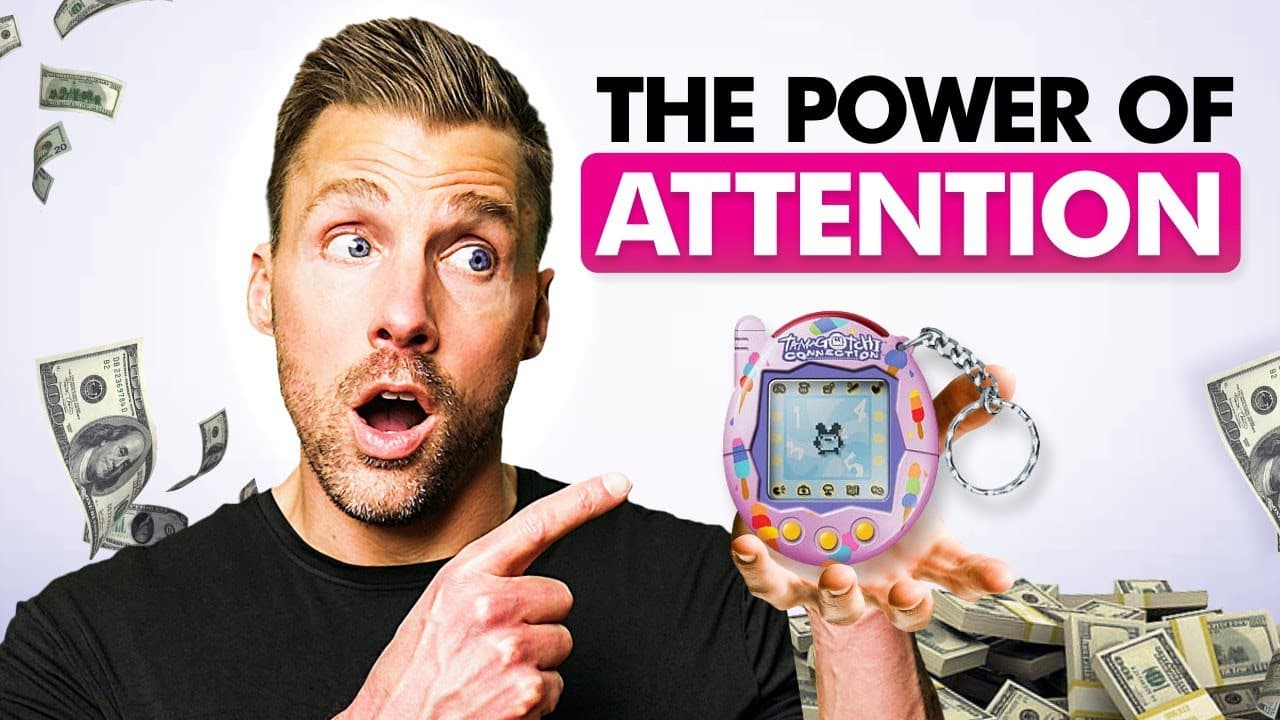
this is a tamagotchi a handheld virtual reality pet that pretty much every kid growing up in the 90s is familiar with well if it isn't tamagotchi her new favorite pet yes so what's that make me fish sticks what's really interesting though is how this tiny little toy was able to create a franchise that generated over 6.2 billion dollars in sales and... Read More
Key Insights
- Tamagotchi's name combines Japanese words for egg and watch, symbolizing its concept as a digital pet egg watch.
- The product sold 10 million units in its first year, becoming an instant hit in Japan and later in the U.S.
- Bandai's marketing strategy capitalized on the addictive nature of Tamagotchi, requiring constant attention to keep it alive.
- The toy's success was partly due to its ability to create a compulsive habit, with users frequently interacting with it.
- Social proof played a significant role, as owning a Tamagotchi became a status symbol among children and teenagers.
- The bandwagon effect and memetic theory of desire drove the product's popularity, as people wanted what others had.
- Anthropomorphism, the tendency to attribute human characteristics to non-human entities, made Tamagotchis feel like real pets.
- Tamagotchi's marketing strategy leveraged new technology and psychological principles to create a sense of responsibility and love.
Install to Summarize YouTube Videos and Get Transcripts
Explore YouTube Video Summarizer or Get YouTube Transcript Extractor
Questions & Answers
Q: How did Tamagotchi become so popular so quickly?
Tamagotchi's rapid rise in popularity was due to a combination of innovative marketing strategies and psychological principles. The product's addictive nature required constant attention, creating a compulsive habit among users. Additionally, social proof and the bandwagon effect played significant roles, as owning a Tamagotchi became a status symbol, further driving its popularity.
Q: What role did social proof play in Tamagotchi's success?
Social proof was a critical factor in Tamagotchi's success. As children and teenagers saw their peers owning and interacting with Tamagotchis, it became a status symbol. This visibility and perceived popularity encouraged others to purchase the toy, creating a snowball effect that significantly contributed to its widespread adoption and success.
Q: How did anthropomorphism contribute to the appeal of Tamagotchi?
Anthropomorphism, the tendency to attribute human characteristics to non-human entities, played a crucial role in Tamagotchi's appeal. By giving the digital pet a name and personality, users formed emotional bonds with their Tamagotchis. This sense of responsibility and love transformed the toy from a simple gadget into a cherished virtual pet, enhancing its emotional value and appeal.
Q: What psychological principles were leveraged in Tamagotchi's marketing strategy?
Tamagotchi's marketing strategy leveraged several psychological principles, including the bandwagon effect, social proof, and anthropomorphism. The bandwagon effect and social proof encouraged people to buy Tamagotchis because others were doing so, while anthropomorphism helped users form emotional connections with their digital pets, increasing the toy's appeal and perceived value.
Q: What was the initial reception of Tamagotchi in Japan and the U.S.?
Tamagotchi was an immediate hit in Japan, selling 10 million units in its first year. Its success quickly spread to the U.S., where it also became extremely popular. The toy's unique concept and innovative marketing strategies resonated with consumers, leading to a rapid increase in sales and establishing Tamagotchi as a cultural phenomenon in both regions.
Q: How did Bandai's marketing strategy capitalize on the addictive nature of Tamagotchi?
Bandai's marketing strategy capitalized on the addictive nature of Tamagotchi by emphasizing the need for constant attention to keep the digital pet alive. This requirement created a compulsive habit among users, who frequently interacted with their Tamagotchis. The strategy effectively kept the toy at the forefront of users' minds, ensuring continuous engagement and driving sales.
Q: What technological aspects contributed to Tamagotchi's appeal?
Tamagotchi's appeal was partly due to its technological novelty at the time. Marketed as a 'virtual reality pet,' it offered a new way to interact with digital technology. The concept of a portable digital pet was innovative, and the technology behind it, although simple by today's standards, was considered cutting-edge, attracting consumers interested in the latest tech trends.
Q: How did the concept of Tamagotchi align with the trends of the 1990s?
Tamagotchi aligned with several 1990s trends, including the rise of digital and virtual technology, the popularity of portable gadgets, and the growing interest in interactive entertainment. The toy's unique blend of technology and play resonated with the era's fascination with innovation and digital experiences, making it a perfect fit for the cultural and technological landscape of the time.
Summary & Key Takeaways
-
Tamagotchi combined innovative marketing strategies with psychological principles to create a highly successful product. Its addictive nature and the need for constant interaction kept users engaged, while social proof and anthropomorphism made it a cultural phenomenon.
-
The product's success was driven by creating a compulsive habit and leveraging social proof. Tamagotchis became a status symbol, and the bandwagon effect helped propel its popularity among children and teenagers.
-
By tapping into the human tendency for anthropomorphism, Tamagotchi created a sense of responsibility and love, transforming it from a simple toy into a beloved digital pet. This strategy helped Bandai generate over 6.2 billion dollars in sales.
Read in Other Languages (beta)
Share This Summary 📚
Summarize YouTube Videos and Get Video Transcripts with 1-Click
Try YouTube Summary with ChatGPT & Claude or YouTube Transcript Generator
Explore More Summaries from Adam Erhart 📚






Summarize YouTube Videos and Get Video Transcripts with 1-Click
Try YouTube Summary with ChatGPT & Claude or YouTube Transcript Generator