The Map Of Philosophy
TL;DR
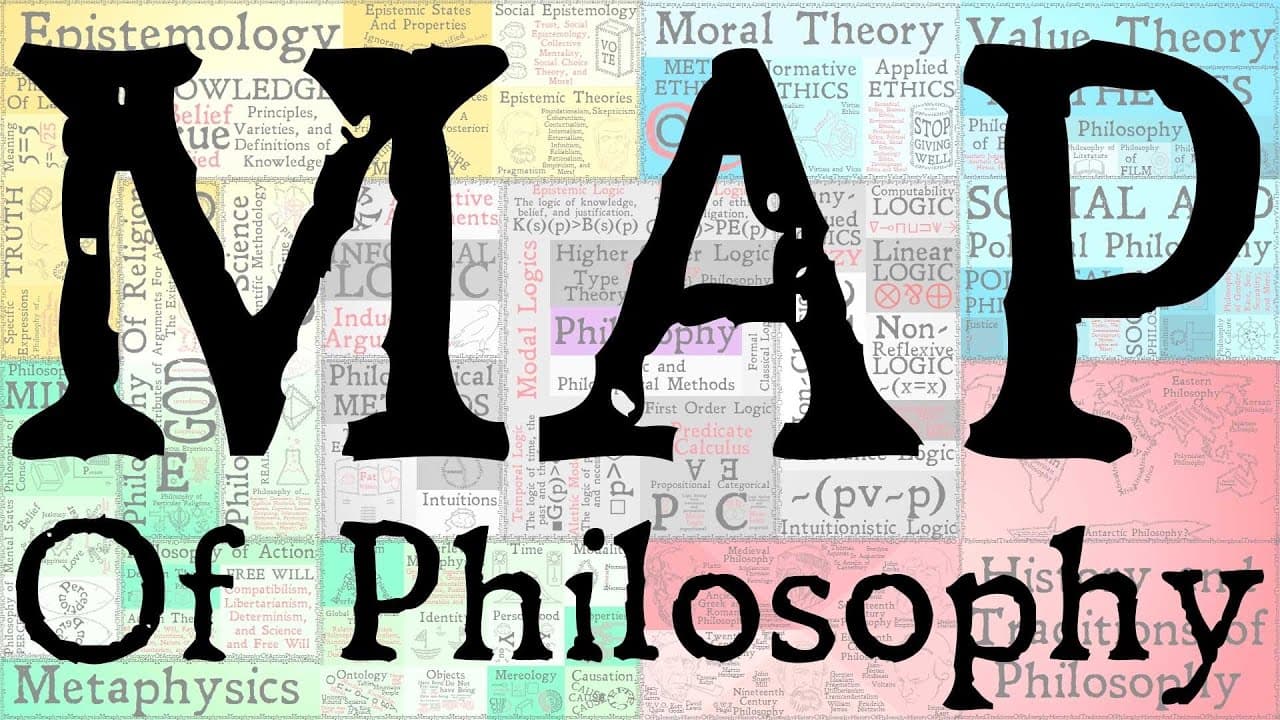
This analysis provides an overview of the different areas within philosophy, including metaphysics, epistemology, value theory, philosophy of language, philosophy of mind, philosophy of science, and philosophy of religion.
Transcript
welcome back to Carneades.org today as a special treat we are going to be doing the map of philosophy but before we get to that a little bit of a history about philosophy so once upon a time philosophy was anything you can study everything in the realm of study was a type of philosophy but as time went on different disciplines developed and they st... Read More
Key Insights
- 🥰 Philosophy serves as a bridge between different areas of knowledge, providing a common language and connecting disciplines such as science, religion, and art.
- 🏛️ Formal classical logic, non-classical logics, and informal logic are tools used in philosophical reasoning and analysis.
- 💢 The history of philosophy spans various eras and traditions, from ancient Greek and Roman philosophy to modern and contemporary philosophy.
- 💅 Value theory encompasses aesthetics, social and political philosophies, ethics, and applied ethics, discussing questions of beauty, justice, equality, and moral decision-making.
- ❓ Epistemology explores the nature of knowledge, beliefs, and justification, along with social and collective aspects of knowledge.
- ⌛ Metaphysics delves into the study of existence, identity, causation, properties, and the nature of time.
- 🔬 Philosophy of science examines scientific theories, methodologies, and the relationship between science and other disciplines.
- ❓ Philosophy of religion addresses arguments for and against the existence of God, religious experiences, and the nature of faith and reason.
- 🤯 Philosophy of language, mind, and action explore the complexities of language, consciousness, mental states, and decision-making processes.
Install to Summarize YouTube Videos and Get Transcripts
Explore YouTube Video Summarizer or Get YouTube Transcript Extractor
Questions & Answers
Q: What is the purpose of philosophy?
The purpose of philosophy is to connect different disciplines, provide a common language for academic discourse, and explore fundamental questions about knowledge, existence, values, and more.
Q: What are some key theories in epistemology?
Some key theories in epistemology include foundationalism, coherentism, and contextualism. Foundationalism argues that knowledge is built upon foundational beliefs, while coherentism emphasizes the coherence and consistency of beliefs. Contextualism suggests that knowledge depends on the context and standards of a particular situation.
Q: How does philosophy of religion contribute to philosophical discourse?
Philosophy of religion explores arguments for and against the existence of God, the attributes of God, religious experiences, and the relationship between faith and reason. It provides a framework for discussing religious beliefs and their implications in a logical and philosophical manner.
Q: What is the role of philosophy in science?
Philosophy of science helps to justify and analyze scientific theories and methodologies. It addresses questions about scientific methodology, the nature of scientific knowledge, the history of science, and the relationship between science and other disciplines.
Key Insights:
- Philosophy serves as a bridge between different areas of knowledge, providing a common language and connecting disciplines such as science, religion, and art.
- Formal classical logic, non-classical logics, and informal logic are tools used in philosophical reasoning and analysis.
- The history of philosophy spans various eras and traditions, from ancient Greek and Roman philosophy to modern and contemporary philosophy.
- Value theory encompasses aesthetics, social and political philosophies, ethics, and applied ethics, discussing questions of beauty, justice, equality, and moral decision-making.
- Epistemology explores the nature of knowledge, beliefs, and justification, along with social and collective aspects of knowledge.
- Metaphysics delves into the study of existence, identity, causation, properties, and the nature of time.
- Philosophy of science examines scientific theories, methodologies, and the relationship between science and other disciplines.
- Philosophy of religion addresses arguments for and against the existence of God, religious experiences, and the nature of faith and reason.
- Philosophy of language, mind, and action explore the complexities of language, consciousness, mental states, and decision-making processes.
Note: The provided content is a transcription of a video and may contain grammatical errors or repetition of ideas.
Summary & Key Takeaways
-
Philosophy was originally a broad field of study encompassing all areas of knowledge, but as disciplines developed, philosophy became more focused on connecting various disciplines and providing a common language for academic discourse.
-
The content covers formal classical logic, non-classical logics, informal logic, and various philosophical methods.
-
It also explores the history and traditions of philosophy, including ancient Greek and Roman philosophy, medieval philosophy, and modern philosophy.
-
The analysis delves into value theory, discussing aesthetics, social philosophy, political philosophy, and ethics.
-
It touches on epistemology, including beliefs, knowledge, and social epistemology.
-
Metaphysics is explored, covering ontology, identity, personhood, properties, causation, and the metaphysics of time.
-
The content also discusses philosophy of science, philosophy of religion, philosophy of language, philosophy of mind, and philosophy of action.
Read in Other Languages (beta)
Share This Summary 📚
Summarize YouTube Videos and Get Video Transcripts with 1-Click
Try YouTube Summary with ChatGPT & Claude or YouTube Transcript Generator
Explore More Summaries from Carneades.org 📚
Summarize YouTube Videos and Get Video Transcripts with 1-Click
Try YouTube Summary with ChatGPT & Claude or YouTube Transcript Generator