Why did John the Baptist ask Jesus if he was the one to come ? | Sam Shamoun
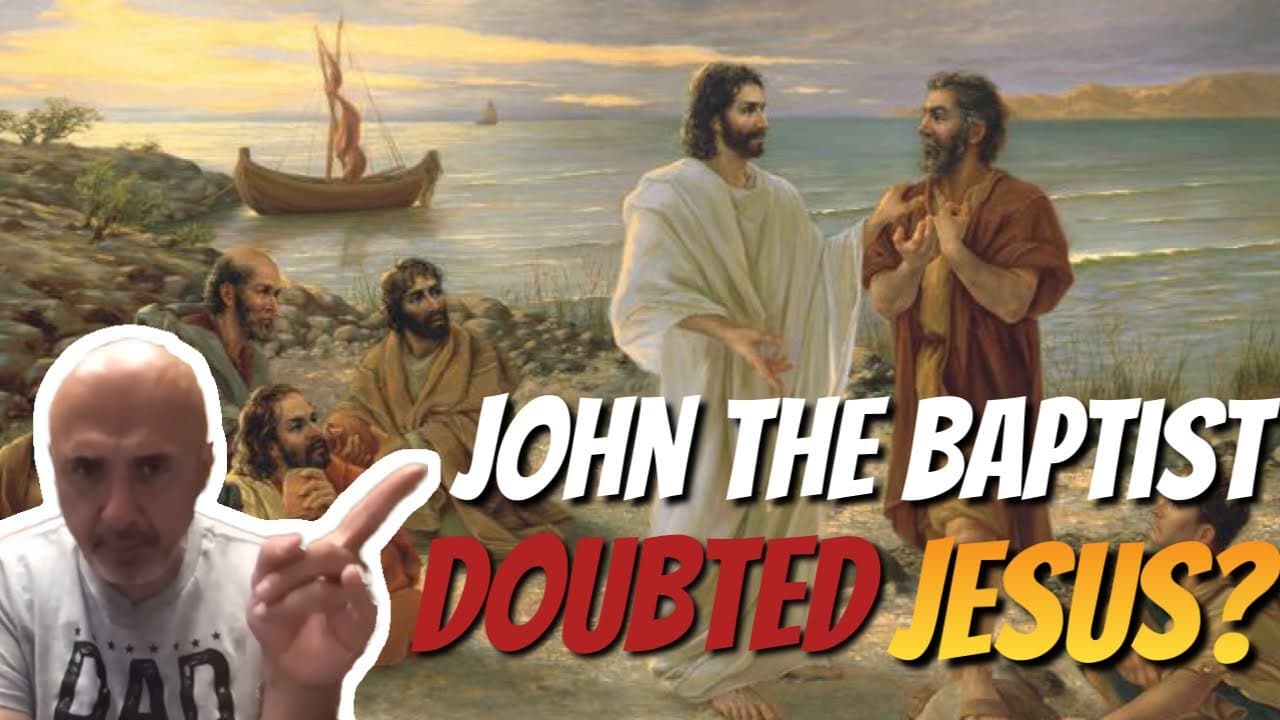
TL;DR
John the Baptist doubted Jesus despite witnessing miracles.
Transcript
John baptized Jesus go ahead yeah okay and then he sees the Holy Spirit coming upon in the shape of a Dove body shape and then later in mat 11 19 when no I'm sorry in M 112 and 3 yeah when John the disciples to ask are you the one or should we expect someone else exactly so I was going to how is that he because he already saw the Holy Spiri... Read More
Key Insights
- John the Baptist, despite witnessing divine signs, doubted Jesus, illustrating human frailty and susceptibility to doubt.
- The Bible consistently shows that even the most devout believers, like Moses and David, can falter in their faith.
- The narrative emphasizes that human beings are inherently flawed and can doubt God, even when miracles are witnessed firsthand.
- Sam Shamoun argues that John's doubt was possibly a strategic move to prepare his disciples to follow Jesus after his death.
- The discourse highlights the importance of not idolizing biblical figures, acknowledging their human imperfections.
- The story of John the Baptist serves as a reminder that faith is a journey, often challenged by circumstances and human weaknesses.
- The discussion draws parallels between Old and New Testament figures, showcasing a recurring theme of doubt and redemption.
- Shamoun suggests that John's actions were also meant to affirm Jesus' identity to his disciples, ensuring their faith in Jesus as the Messiah.
Install to Summarize YouTube Videos and Get Transcripts
Explore YouTube Video Summarizer or Get YouTube Transcript Extractor
Questions & Answers
Q: Why did John the Baptist doubt Jesus as the Messiah?
John the Baptist doubted Jesus despite witnessing divine signs due to human frailty. This illustrates a recurring biblical theme where even the most devout individuals, like Moses and David, experience moments of doubt. The narrative emphasizes that human beings are inherently flawed and can question their faith even in the face of miracles.
Q: What is the significance of John sending his disciples to Jesus?
John sending his disciples to Jesus was possibly a strategic move to prepare them for his own death, ensuring they would follow Jesus. This action was meant to affirm Jesus' identity to his disciples, solidifying their faith in Jesus as the Messiah. It highlights John's role in transitioning his followers to Jesus' ministry.
Q: How does the narrative address the nature of faith?
The narrative emphasizes that faith is a journey, often challenged by circumstances and human weaknesses. It highlights that even those who witness divine interventions, like John the Baptist, can experience doubt. The story serves as a reminder that faith is not about perfection but about perseverance despite challenges.
Q: What lesson does Shamoun draw from biblical figures like Moses and David?
Shamoun draws a lesson from biblical figures like Moses and David, who, despite their close relationship with God, experienced moments of doubt and failure. This underscores the message that human beings are inherently flawed and can falter, emphasizing the need for reliance on God's grace rather than idolizing human figures.
Q: How does Shamoun interpret John's actions regarding his disciples?
Shamoun interprets John's actions as a strategic preparation for his disciples to follow Jesus. By sending them to Jesus, John ensured that they would witness Jesus' miracles and affirm His identity as the Messiah. This move was crucial for transitioning his followers to Jesus' ministry, especially as John's own death approached.
Q: What does the narrative suggest about human nature and doubt?
The narrative suggests that human nature is prone to doubt, even in the presence of divine signs. It highlights that witnessing miracles does not make individuals immune to doubt, as seen in the actions of biblical figures like John the Baptist. This emphasizes the importance of understanding and accepting human imperfections in the journey of faith.
Q: Why is it important not to idolize biblical figures according to Shamoun?
According to Shamoun, it is important not to idolize biblical figures because they are human and inherently flawed. Idolizing them can lead to unrealistic expectations and disappointment. Instead, the focus should be on God's grace and understanding that even the most devout individuals can falter, emphasizing the need for reliance on divine strength.
Q: What parallels does Shamoun draw between Old and New Testament figures?
Shamoun draws parallels between Old and New Testament figures, highlighting a recurring theme of doubt and redemption. Figures like Moses, David, and John the Baptist, despite their close relationship with God, experienced moments of doubt. This emphasizes the consistent biblical narrative that faith is a journey, challenged by human weaknesses and circumstances.
Summary & Key Takeaways
-
Sam Shamoun addresses why John the Baptist questioned Jesus' identity despite witnessing divine signs, highlighting human nature's tendency to doubt.
-
The discussion draws on biblical examples, illustrating that even the most devout figures, like Moses and David, often faltered in their faith.
-
Shamoun suggests John the Baptist's actions were strategic, meant to prepare his disciples to follow Jesus after his impending death.
Read in Other Languages (beta)
Share This Summary 📚
Summarize YouTube Videos and Get Video Transcripts with 1-Click
Try YouTube Summary with ChatGPT & Claude or YouTube Transcript Generator
Explore More Summaries from Shamounian Explains 📚






Summarize YouTube Videos and Get Video Transcripts with 1-Click
Try YouTube Summary with ChatGPT & Claude or YouTube Transcript Generator