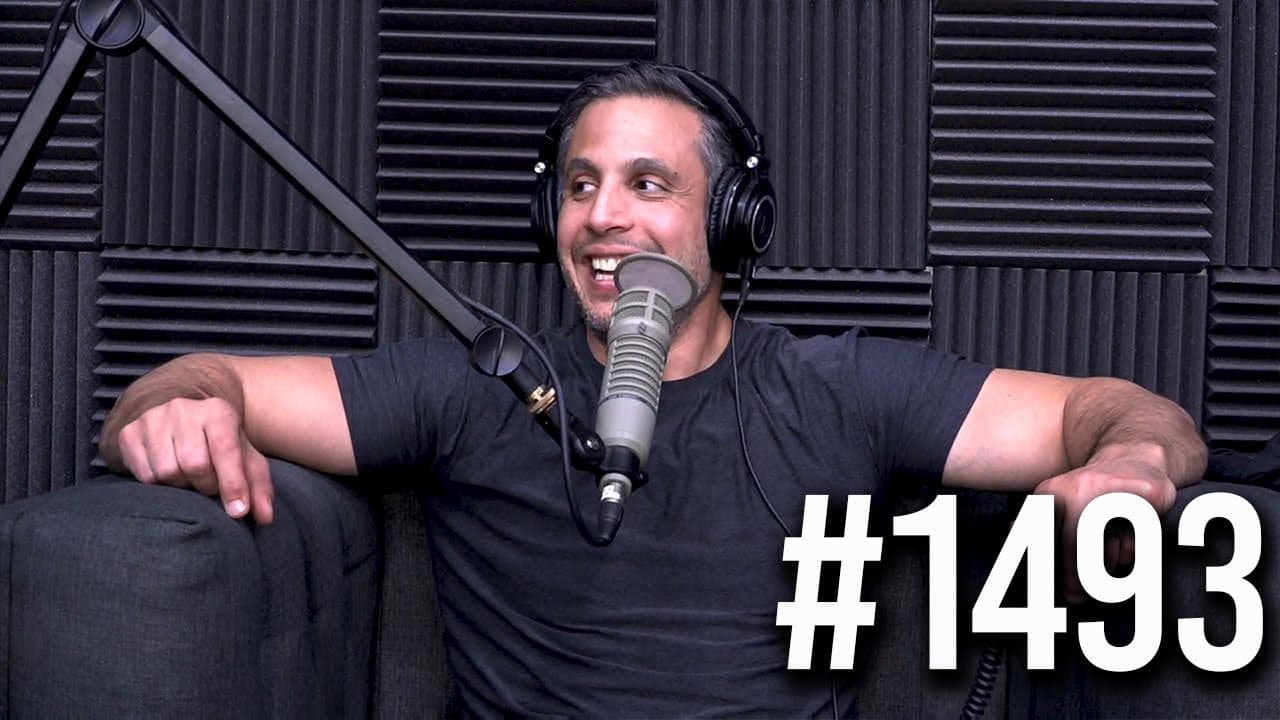
1493: When Being Lean Is Unhealthy, Signs You Should Increase or Decrease Your Calories, & More
TL;DR
Discusses fitness strategies, lifestyle choices, and conspiracy theories.
Transcript
you just tuned into the best damn fitness podcast on youtube this is my pup hey check this out you guys ready to get crazy here okay 24 hours as soon as we post this podcast if you comment in the first 24 hours and we pick your comment you're going to win something cool normally we give away t-shirts not this time this time we're going to give you ... Read More
Key Insights
- Engaging in resistance training over cardio can result in a slower metabolism decrease when stopping exercise, highlighting the benefits of weightlifting.
- The concept of ownership is evolving, with predictions that by 2030, many items will be rented rather than owned, including cars and household appliances.
- Bitcoin's mysterious origins spark conspiracy theories, including speculation that it was created by the CIA to track black market activities.
- The fitness industry is shifting towards acknowledging that maintaining extremely low body fat year-round is not healthy and can lead to hormonal imbalances.
- Reverse dieting can sometimes lead to weight loss due to the body's ability to become more efficient with calorie utilization.
- Different rep ranges in weightlifting can stimulate muscle growth, with individuals responding uniquely based on genetics and training history.
- The potential decline of traditional movie theaters is discussed, with the rise of streaming services offering simultaneous releases.
- Blue-light blocking glasses can significantly improve sleep quality when watching TV at night, reducing headaches and sleep disruptions.
Install to Summarize YouTube Videos and Get Transcripts
Explore YouTube Video Summarizer or Get YouTube Transcript Extractor
Questions & Answers
Q: What are some signals you can hone in on to know when you could benefit from a calorie increase or decrease?
Signals to adjust calorie intake include changes in appetite, energy levels, and performance in the gym. If eating becomes a chore, it might be time to decrease calories. Conversely, if strength and energy drop during a calorie deficit, it might be time to increase intake. Regularly incorporating different calorie days can also be beneficial.
Q: What causes some people to lose weight when reverse dieting after hitting a plateau?
Reverse dieting can lead to weight loss due to the body's ability to become more efficient with calories. When calories are gradually increased after a period of restriction, the metabolism can adapt by burning more calories, sometimes resulting in weight loss despite higher intake.
Q: Is it unhealthy to maintain a lean body all year long?
Maintaining extremely low body fat year-round is generally considered unhealthy. It can lead to hormonal imbalances, reduced energy levels, and an obsessive focus on diet and exercise. A moderate body fat percentage is typically healthier and more sustainable, allowing for a balanced lifestyle.
Q: Is there an ideal ratio of strength you should have between your bench, deadlifts, and squats?
Typically, a person's deadlift should be the highest, followed by their squat, and then their bench press. However, individual differences in body type and training history mean that these ratios can vary. It's more important to focus on personal progress rather than comparing to others.
Q: How do you know when to adjust your calorie intake?
Adjust calorie intake based on signals such as changes in appetite, energy levels, and gym performance. If eating becomes a chore, reduce calories. If strength drops during a deficit, increase intake. Incorporate varied calorie days regularly for balance.
Q: What are the benefits of wearing blue-light blocking glasses at night?
Blue-light blocking glasses can improve sleep quality by reducing exposure to blue light from screens, which can disrupt sleep patterns. Wearing these glasses can help prevent headaches and make it easier to fall asleep after watching TV or using electronic devices at night.
Q: What is the future of ownership according to the podcast?
The podcast suggests that by 2030, many items will be rented rather than owned, including cars and household appliances. This shift is expected to be driven by technological advancements, cost efficiency, and changing consumer preferences towards convenience and sustainability.
Q: What is the podcast's view on Bitcoin and its origins?
The podcast discusses conspiracy theories surrounding Bitcoin, including the idea that it may have been created by the CIA to track black market activities. This reflects ongoing speculation about its origins and purpose, highlighting the mystery and intrigue surrounding cryptocurrency.
Summary & Key Takeaways
-
The podcast explores the benefits of resistance training over cardio, particularly in terms of metabolism maintenance when exercise is paused. The hosts discuss how lifting weights can lead to a more sustainable metabolic rate compared to cardio.
-
A discussion on the future of ownership suggests that by 2030, many items will be rented rather than owned, including cars and household appliances. This shift is predicted to be driven by technological advancements and cost efficiency.
-
The podcast touches on conspiracy theories surrounding Bitcoin, including the idea that it may have been created by the CIA to track black market activities. This reflects ongoing speculation about its origins and purpose.
Read in Other Languages (beta)
Share This Summary 📚
Summarize YouTube Videos and Get Video Transcripts with 1-Click
Try YouTube Summary with ChatGPT & Claude or YouTube Transcript Generator
Explore More Summaries from Mind Pump Show 📚


Summarize YouTube Videos and Get Video Transcripts with 1-Click
Try YouTube Summary with ChatGPT & Claude or YouTube Transcript Generator