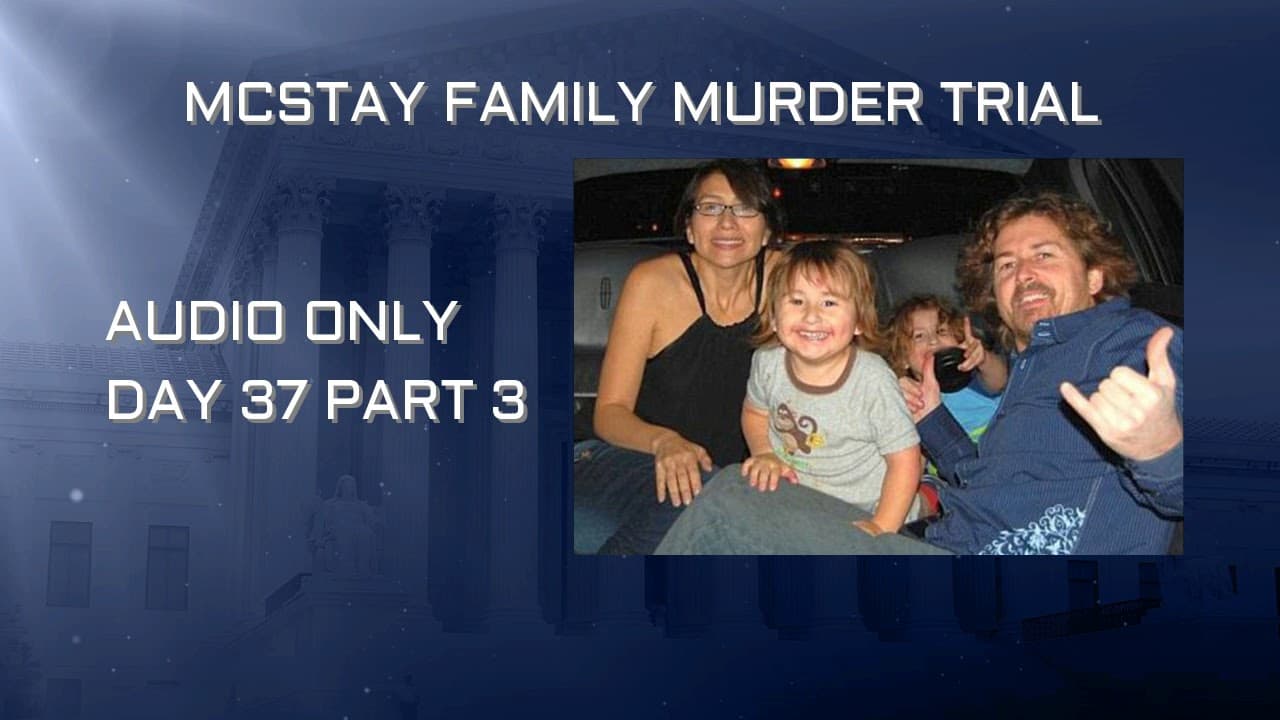
McStay Family Murder Trial Day 37 Part 3
TL;DR
A DNA analyst discusses processing, analyzing DNA evidence, instrumentation, contamination, and validation in forensic science.
Transcript
may not seem like you're talking about the piece itself or deciding when you start talking about things like that it can affect the way you look at the evidence for example if someone if you start saying for that testimony was really there might be other we even try not to be yourselves during we're doing [Applause] that's called schema match Chris... Read More
Key Insights
- 🧬 DNA analysis involves sampling, extraction, quantification, amplification, and separation processes in forensic science.
- 🧬 Contamination can impact DNA results, and interpreting degraded DNA profiles and mixtures require caution.
- 😒 The use of genetic analyzers, software, and validations is crucial for accurate DNA analysis and reporting in forensic cases.
Install to Summarize YouTube Videos and Get Transcripts
Explore YouTube Video Summarizer or Get YouTube Transcript Extractor
Questions & Answers
Q: What processes are involved in analyzing DNA evidence at Bodis Technology?
The process includes sampling, extracting, quantifying, amplifying, separating, and analyzing DNA to issue final reports and make comparisons for forensic cases.
Q: How does contamination affect DNA analysis results in forensic science?
Contamination can impact DNA profiles by introducing additional DNA from external sources, leading to inconclusive or misleading results during forensic analysis.
Q: What tools and software are used in DNA analysis for interpretation and comparison?
Genetic analyzers and genetic software like GeneMapper ID X and probabilistic genotyping software such as StarMix are utilized for analyzing, interpreting, and comparing DNA profiles in forensics.
Q: How does DNA degradation and mixtures affect the interpretation of DNA profiles in forensic cases?
DNA degradation and mixtures can lead to partial profiles, difficulty in making comparisons, and the need for cautious interpretations due to the presence of multiple contributors or degraded DNA samples.
Summary & Key Takeaways
-
Christina Nash discusses processing DNA evidence received from various agencies around the world at Bodis Technology.
-
The process involves sampling, extracting, quantifying, amplifying, separating, and analyzing the DNA to issue final reports for comparisons.
-
Cases include degraded DNA, contamination, mixtures, and partial profiles affecting interpretations.
Read in Other Languages (beta)
Share This Summary 📚
Summarize YouTube Videos and Get Video Transcripts with 1-Click
Try YouTube Summary with ChatGPT & Claude or YouTube Transcript Generator
Explore More Summaries from Law&Crime Network 📚

Summarize YouTube Videos and Get Video Transcripts with 1-Click
Try YouTube Summary with ChatGPT & Claude or YouTube Transcript Generator