Why Do Teens Disrespect Police Officers?
TL;DR
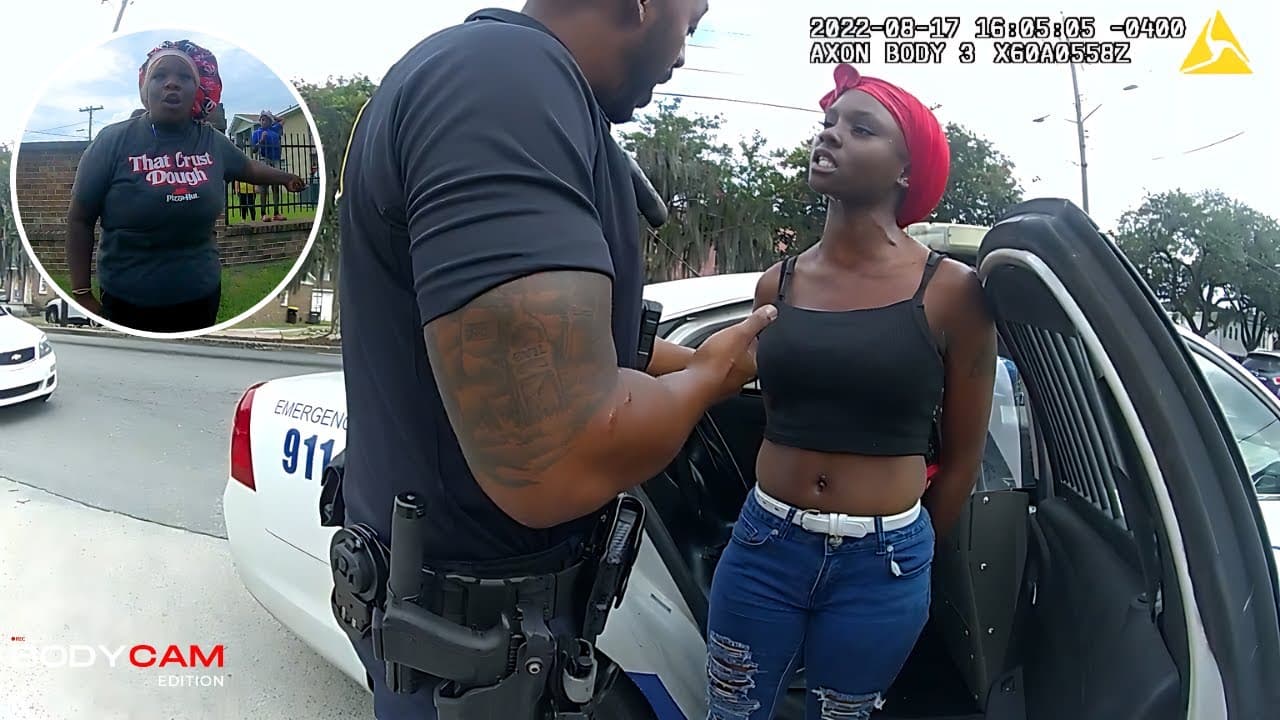
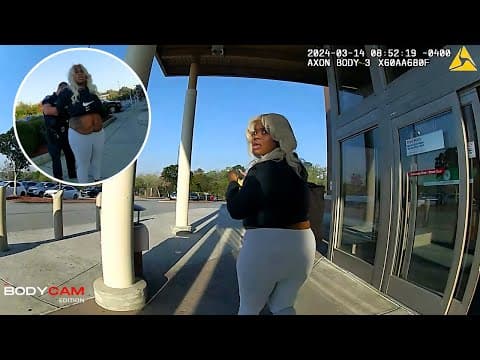
Teens may disrespect police due to perceived injustices or negative past experiences with law enforcement. In this incident, a misunderstanding escalated when officers tried to identify teens matching a suspect description. The situation highlights the importance of clear communication and understanding between police and community members to prevent conflicts.
Transcript
shut up you ain't got to force me I got my own manners don't rush up on my kids and don't rush in nothing that y'all don't pay for you know you can't do that by law you are supposed to go in my house at all we never did on August 17th 2022 officers were dispatched to a neighborhood in response to a re... Read More
Key Insights
- Teens often react negatively to police due to perceived past injustices.
- Clear communication can prevent escalation during police interactions.
- Understanding community dynamics is crucial for effective policing.
- Witness descriptions can be vague, complicating police investigations.
- Community trust in police is essential for cooperation in investigations.
- Legal guardianship roles can complicate police interactions with minors.
- The law allows police to identify individuals in public housing areas.
- Misunderstandings can lead to legal consequences like obstruction charges.
Install to Summarize YouTube Videos and Get Transcripts
Explore YouTube Video Summarizer or Get YouTube Transcript Extractor
Questions & Answers
Q: Why do teens often disrespect police officers?
Teens may disrespect police officers due to previous negative interactions or perceived injustices within their communities. Such experiences can foster a lack of trust and respect, leading to confrontational situations. Building positive relationships through community engagement and transparency can help improve these dynamics.
Q: How can police improve communication with communities?
Police can improve communication with communities by engaging in regular dialogue, participating in community events, and providing clear explanations of their actions during interactions. Transparency and accountability are key to building trust and understanding, which can prevent conflicts and foster cooperation.
Q: What challenges do police face in identifying suspects?
Police face challenges in identifying suspects due to vague or conflicting witness descriptions, lack of cooperation from individuals, and legal constraints on questioning minors. These factors can complicate investigations and require officers to rely on community trust and cooperation to gather accurate information.
Q: What is the role of legal guardians in police interactions with minors?
Legal guardians play a crucial role in police interactions with minors, as they are responsible for the minors' welfare and legal rights. Guardians should be present during questioning to ensure minors understand their rights and the situation. Misunderstandings about guardianship can complicate these interactions and lead to legal issues.
Q: Why is community trust important for police investigations?
Community trust is vital for police investigations as it encourages cooperation and information sharing. When community members trust the police, they are more likely to provide accurate information and support investigations, leading to more effective law enforcement and safer communities.
Q: What legal rights do individuals have during police questioning?
Individuals have the right to remain silent and request legal representation during police questioning. Minors have additional protections, and police often require a guardian's presence during questioning. Understanding these rights is crucial for individuals to navigate interactions with law enforcement effectively.
Q: What are the consequences of failing to cooperate with police?
Failing to cooperate with police can lead to legal consequences such as charges of obstruction or disorderly conduct. It can also escalate situations, leading to further misunderstandings and conflicts. Cooperation, within the bounds of legal rights, can help resolve situations more smoothly.
Q: How can misunderstandings in police interactions be prevented?
Misunderstandings in police interactions can be prevented through clear communication, mutual respect, and understanding of legal rights. Police training on cultural competence and community engagement can also help bridge gaps between law enforcement and community members, reducing the likelihood of conflicts.
Summary & Key Takeaways
-
An incident involving teens and police escalated due to miscommunication and distrust. Officers were responding to a shots fired report and attempted to identify teens matching a suspect description. The situation underscores the need for improved communication and understanding between police and community members to avoid conflicts.
-
Teens involved in the incident were reluctant to cooperate with police, citing past negative experiences. The legal guardianship role of a sibling further complicated the interaction, leading to charges of obstruction and disorderly conduct. This highlights the challenges police face in gaining community trust.
-
The incident concluded without injuries or property damage, but it raised questions about police procedures and community relations. The need for clear communication and understanding of legal rights is evident to prevent such situations from escalating in the future.
Read in Other Languages (beta)
Share This Summary 📚
Summarize YouTube Videos and Get Video Transcripts with 1-Click
Try YouTube Summary with ChatGPT & Claude or YouTube Transcript Generator
Explore More Summaries from Body Cam Edition 📚


Summarize YouTube Videos and Get Video Transcripts with 1-Click
Try YouTube Summary with ChatGPT & Claude or YouTube Transcript Generator