Where Do Your Online Returns End Up?
TL;DR
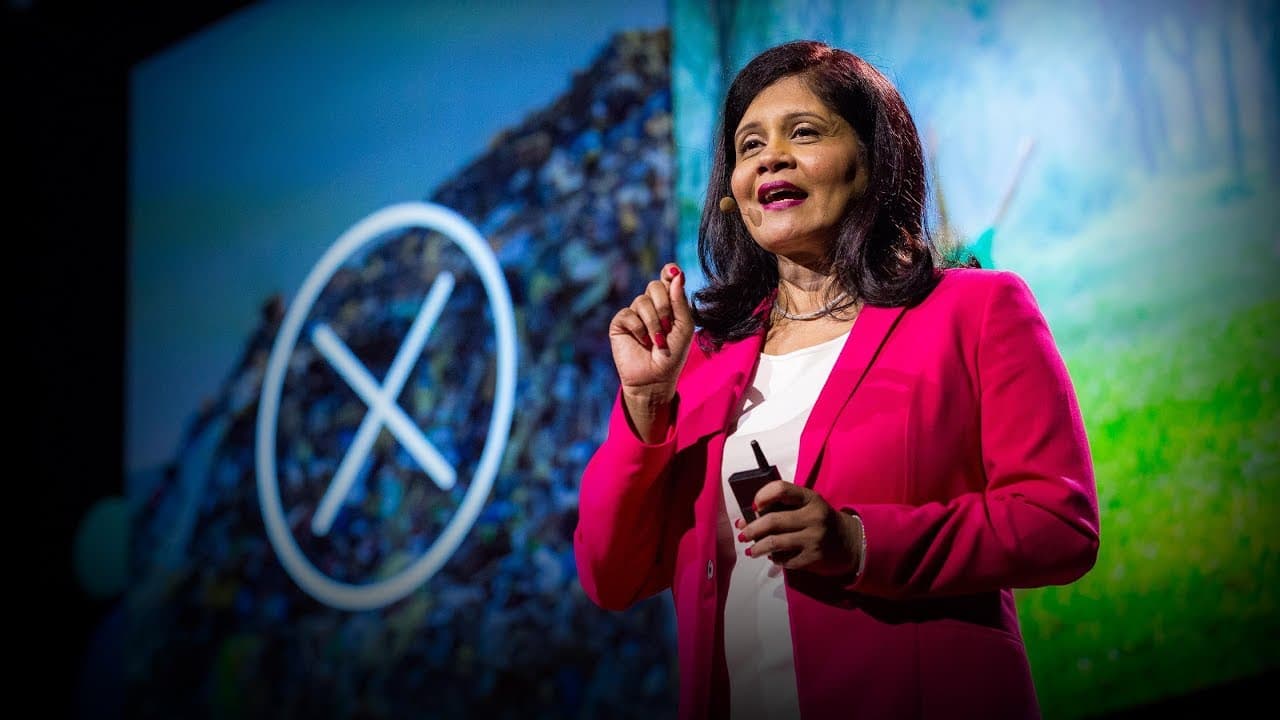
Every year, four billion pounds of returned clothing end up in landfills due to excessive online returns. A proposed solution, called a 'green turn,' suggests that returned items could be passed to other buyers via an app, reducing waste. Individuals can also help by reducing their returns; if each adult in the U.S. returned just five fewer items annually, it would keep 240 million pounds of clothes out of landfills.
Transcript
Hi. My name is Aparna. I am a shopaholic -- (Laughter) and I'm addicted to online returns. (Laughter) Well, at least I was. At one time, I had two or three packages of clothing delivered to me every other day. I would intentionally buy the same item in a couple different sizes and many colors, because I did not know what I really wanted. So I overo... Read More
Key Insights
- 💀 Four billion pounds of returned clothing end up in landfills every year, highlighting the impact of excessive online returns on the environment.
- 🛒 Free online returns have led to more items being returned, resulting in significant sales loss for retailers, with $351 billion lost in sales in 2017 alone.
- 🌍 The current system of returning items to retailers is flawed, leading to waste. An alternative solution, called a "green turn," could involve using an app to connect people who want to return items with potential buyers.
- 💰 Incentives like loyalty points or cash back, referred to as "green cash," could encourage people to participate in the "green turn" system and make money from buying returned items.
- 📊 Implementing the "green turn" system would require weaving together existing systems and running a pilot, but it is a doable solution with a potential six-month implementation timeline. ⏰ Each individual shopper can take immediate action by researching purchases, considering if they really need or want an item before buying, and reducing the number of returns made.
- ♻️ Making small changes to shopping behavior, such as returning five fewer items per person per year, could keep 240 million pounds of clothes out of landfills and reduce the environmental impact.
- 🌎 The environmental problem caused by excessive returns is happening now and needs to be stopped to prevent further damage to landfills and the planet. Taking action now can leave future generations with a cleaner and better Earth.
Install to Summarize YouTube Videos and Get Transcripts
Explore YouTube Video Summarizer or Get YouTube Transcript Extractor
Questions & Answers
Q: How many packages of clothing would Aparna receive in a given week at one point in time?
At one time, Aparna would receive two or three packages of clothing delivered to her every other day.
Q: What shocked Aparna when she learned about her customer's concern during a meeting?
Aparna was shocked to hear that during the past holiday season, her customer had received 7.5 million pieces of returned clothing.
Q: What happens to the returned clothes that end up in the landfill?
Every year, approximately four billion pounds of returned clothing ends up in the landfill. It's equivalent to every resident in the US throwing away a load of laundry in the trash.
Q: How did the trend of offering free online returns impact the number of items being returned?
Offering free online returns led to a significant increase in the number of items being returned. In 2017 alone, companies in the US lost $351 billion in sales due to returns.
Q: What solution does Aparna propose to minimize clothing waste?
Aparna suggests a solution called a "green turn," where instead of returning items to the retailer, consumers can use an app to take pictures of the item and return it. Artificial intelligence systems will then sort and direct the clothes to the next appropriate person, reducing waste.
Q: What incentives does Aparna propose to encourage people to participate in the "green turn" system?
Aparna suggests offering incentives such as loyalty points or cash back, which she calls "green cash," to encourage people to go through the extra effort of participating in the "green turn" system.
Q: How much clothing waste could be prevented if every adult in the US made a few small changes to their shopping behavior?
If every single adult in the US returned five fewer items this year and made more thoughtful shopping decisions, it would result in keeping 240 million pounds of clothes out of landfills. This would be a 6% reduction in clothing waste.
Summary & Key Takeaways
-
The speaker, Aparna, was addicted to online returns and would intentionally buy multiple sizes and colors of the same item. She realized the impact of this behavior when she learned that four billion pounds of returned clothing ends up in landfills each year.
-
Aparna proposes a solution called a "green turn" where instead of returning items to the retailer, they could be passed on to another buyer through an app. Mint-condition items would go to the next buyer, while slightly used items would be marked down and resold online.
-
Aparna suggests that each shopper can make small changes to their shopping behavior, like researching and considering if they truly need or want an item, and by returning five fewer items per year, we could prevent 240 million pounds of clothes from ending up in landfills. This environmental problem needs to be addressed now to prevent growing landfills.
Read in Other Languages (beta)
Share This Summary 📚
Summarize YouTube Videos and Get Video Transcripts with 1-Click
Try YouTube Summary with ChatGPT & Claude or YouTube Transcript Generator
Explore More Summaries from TED 📚





Summarize YouTube Videos and Get Video Transcripts with 1-Click
Try YouTube Summary with ChatGPT & Claude or YouTube Transcript Generator