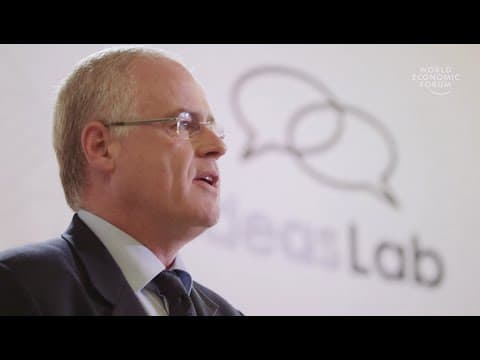
Davos 2010 - IdeasLab with University of Pennsylvania & The Wharton School - David Asch

TL;DR
Tailoring healthcare based on individual risk factors can lead to more effective treatments and prevention strategies.
Transcript
Well, thank you Amy and Francis and thank you all for joining us. The idea I want to put forth today is that one of the best ways to improve the health in wealthy well-resourced nations is to individualize and personalize health risk. But that doing so presents a variety of challenges that I hope will be able to discuss. The three biggest killers i... Read More
Key Insights
- 🥺 Targeted approaches to healthcare, based on individual risk factors, can lead to more effective treatments and prevention strategies.
- 💊 Personalized medicine, utilizing genetic testing and risk assessment, allows for tailored interventions to improve health outcomes.
- ♋ Innovations in healthcare, such as molecular testing for cancer treatment, highlight the importance of personalized approaches in reducing unnecessary treatments and costs.
- 🌍 Healthcare disparities exist globally, with personalized medicine being a luxury in wealthy nations, while basic improvements in nutrition and sanitation are vital for improving health in most of the world.
Install to Summarize YouTube Videos and Get Transcripts
Explore YouTube Video Summarizer or Get YouTube Transcript Extractor
Questions & Answers
Q: Why is personalizing health risk important for improving healthcare outcomes?
Personalizing health risk allows for targeted treatments and screenings, ensuring that high-risk individuals receive the necessary interventions, ultimately leading to better health outcomes.
Q: How does personalized medicine impact the pharmaceutical industry?
Personalized medicine may lead to a smaller market for drugs, as treatments are targeted towards high-risk individuals, potentially reducing the financial incentive for innovation in drug development.
Q: What role does genetic testing play in personalized medicine?
Genetic testing can identify individuals at high risk for certain diseases, enabling healthcare providers to tailor treatments based on individual genetic profiles, leading to more effective interventions.
Q: How can low-risk individuals be engaged in their own risk reduction?
It is essential to educate low-risk individuals about their health risks, promote healthy lifestyle behaviors, and provide regular screenings to prevent complacency and maintain overall well-being.
Summary & Key Takeaways
-
The speaker discusses the importance of personalizing health risk assessment to improve healthcare outcomes in wealthy nations.
-
While deaths from heart disease and stroke have decreased, cancer remains a challenge due to a lack of personalized approaches.
-
Personalized medicine, targeting high-risk individuals, can lead to more efficient treatments and reduce overall healthcare costs.
Read in Other Languages (beta)
Share This Summary 📚
Summarize YouTube Videos and Get Video Transcripts with 1-Click
Try YouTube Summary with ChatGPT & Claude or YouTube Transcript Generator
Explore More Summaries from World Economic Forum 📚
Summarize YouTube Videos and Get Video Transcripts with 1-Click
Try YouTube Summary with ChatGPT & Claude or YouTube Transcript Generator