Georgia Tech-Kendeda Building for Innovative Sustainable Design: A Lively Tour of a Living Building
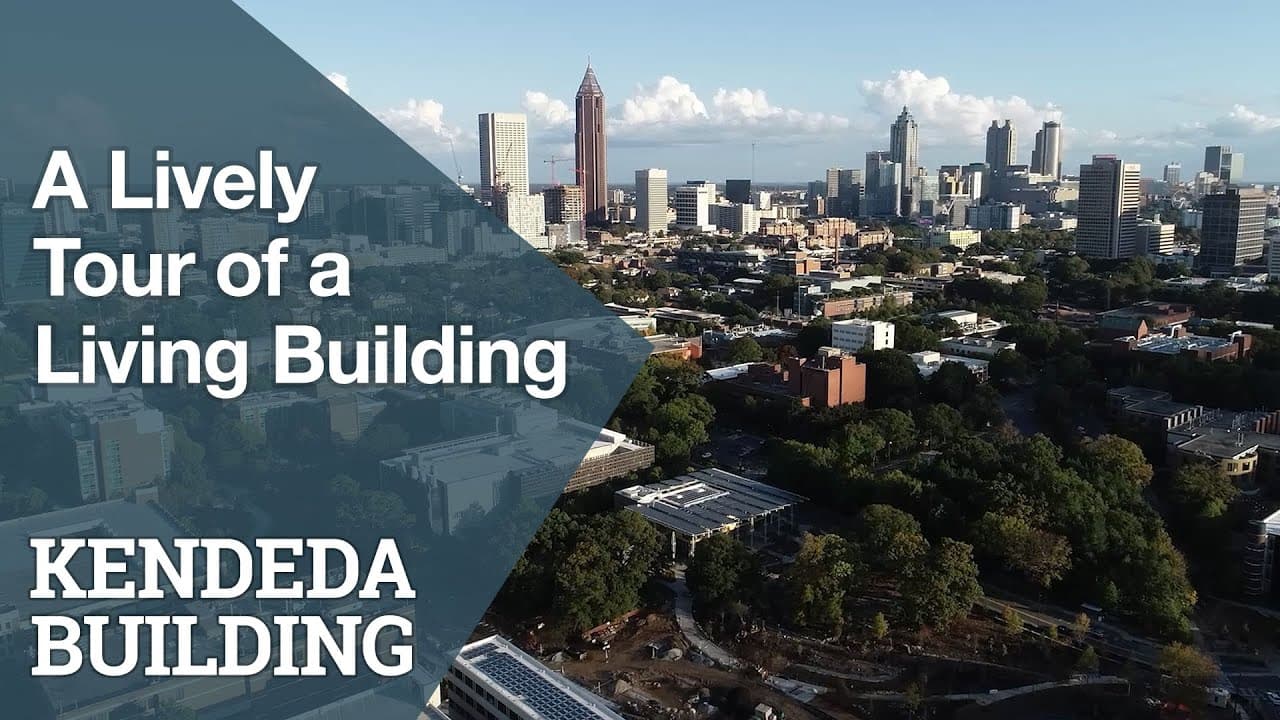
TL;DR
The Kendeda Building is a regenerative building that aims to have positive environmental and social impacts, offering a model for sustainable design. It incorporates innovative features such as composting toilets, efficient energy systems, salvaged materials, and partnerships with local non-profits.
Transcript
(upbeat music) - Hello. - My name is Shan Arora, and I have the honor of serving as the Director of The Kendeda Building for Innovative Sustainable Design, at the Georgia Institute of Technology in Atlanta, Georgia. The Kendeda Building is a 37,000 square foot indoor, plus another 10,000 square foot outdoor, multi-disciplinary, non-departmental edu... Read More
Key Insights
- 👷 The Kendeda Building demonstrates a regenerative approach to sustainable design, serving as a model for future construction projects.
- 🏛️ Building efficiency is crucial for achieving net positive energy, with an emphasis on energy-efficient systems and renewable energy sources.
- 🗑️ Incorporating salvaged materials reduces waste and supports the development of a salvage economy.
- 💍 Engaging with local non-profits can contribute to social equity and provide opportunities for marginalized individuals.
- 💦 The Living Building Challenge promotes a holistic approach to building, considering place, water, energy, health and happiness, materials, equity, and beauty.
- 🏛️ The Kendeda Building challenges conventional building practices and aims to inspire others to do the same.
- 🌐 By addressing global and local challenges, such as climate change and strained infrastructure, the building demonstrates the need for sustainable solutions.
Install to Summarize YouTube Videos and Get Transcripts
Explore YouTube Video Summarizer or Get YouTube Transcript Extractor
Questions & Answers
Q: How does the Kendeda Building produce more electricity than it consumes?
The building has a 330 kilowatt solar array that generates on average 450,000 kilowatt hours a year, while the building consumes around 330,000 kilowatt hours a year, making it net positive in terms of energy.
Q: What are the benefits of using composting toilets?
Composting toilets in the Kendeda Building use biocompatible soap and very little water, saving 97% of water compared to conventional toilets. The waste is converted into compost with the help of earthworms and other organisms, reducing water pollution and energy requirements.
Q: How does the Kendeda Building incorporate salvaged materials?
The building incorporates salvaged materials, such as wood from deconstructed buildings, to meet the requirement of salvaging more materials from the landfill than sending to it. This helps reduce waste and sparks the potential for a local salvage economy.
Q: How does the Kendeda Building contribute to local equity?
The building partnered with a local nonprofit called Georgia Works, which helps individuals at risk of chronic homelessness. Six individuals from Georgia Works were involved in constructing the building's ceiling, gaining marketable skills and providing them with opportunities for a better future.
Key Insights:
- The Kendeda Building demonstrates a regenerative approach to sustainable design, serving as a model for future construction projects.
- Building efficiency is crucial for achieving net positive energy, with an emphasis on energy-efficient systems and renewable energy sources.
- Incorporating salvaged materials reduces waste and supports the development of a salvage economy.
- Engaging with local non-profits can contribute to social equity and provide opportunities for marginalized individuals.
- The Living Building Challenge promotes a holistic approach to building, considering place, water, energy, health and happiness, materials, equity, and beauty.
- The Kendeda Building challenges conventional building practices and aims to inspire others to do the same.
- By addressing global and local challenges, such as climate change and strained infrastructure, the building demonstrates the need for sustainable solutions.
- The success of the Kendeda Building in the South challenges skeptics' arguments that regenerative buildings can only work in specific climates, opening up possibilities for more sustainable construction in different regions.
Summary & Key Takeaways
-
The Kendeda Building is a 37,000 square foot sustainable education building designed to meet the Living Building Challenge, with positive environmental and social impacts.
-
The building produces more electricity than it consumes through renewable sources, reduces stormwater runoff, and diverts waste from the landfill.
-
Innovative features include composting toilets, efficient energy systems, use of salvaged materials, and partnerships with local non-profits.
Read in Other Languages (beta)
Share This Summary 📚
Summarize YouTube Videos and Get Video Transcripts with 1-Click
Try YouTube Summary with ChatGPT & Claude or YouTube Transcript Generator