An Economy Powered by Sun and Wind — It’s Almost Here | Kala Constantino | TED
TL;DR
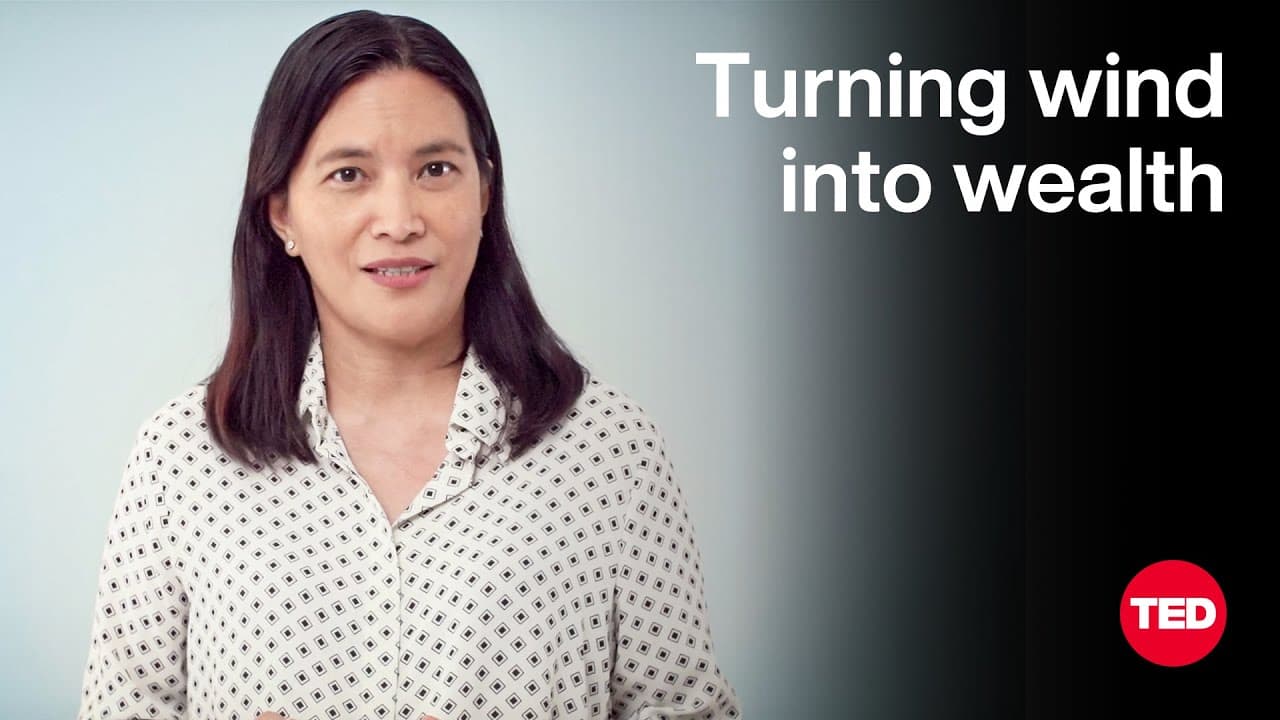
In this content, we explore the great change underway in the Philippines as many individuals work towards transitioning to 100 percent renewable power.
Transcript
Hello, everyone. I want to share a story of great change underway in the Philippines, driven by the work of many people like Nass. Nass is a dedicated policy expert who has advised key government officials on the country's climate agenda. Now, Nass is leading hundreds of climate leaders, mobilizing local governments and companies to shift to 100 pe... Read More
Key Insights
- 🌍 The Philippines is experiencing a great change towards renewable power, driven by the work of dedicated individuals like Nass, who is mobilizing local governments and companies to shift to 100 percent renewable power.
- 💪 Thousands of people across the Philippines, including policymakers, scientists, youth, community leaders, and business owners, are working together to overcome barriers and promote cheaper and cleaner renewable power, such as wind and solar.
- 💡 The Philippines, highly vulnerable to climate change impacts, sees the energy transition as an opportunity to make the economy more resilient, create jobs, and bring economic opportunities through renewable energy.
- 🔋 The Philippine government has adopted a moratorium on new coal-fired power plants, Filipino banks are diverting funding from coal to renewables, and the new energy plan aims for renewables to account for at least 35 percent of the power generation mix by 2030.
- ✨ A diverse group of individuals, including Ian, Grace, Lawrence, Jeff, and Avril, are playing key roles in promoting renewable energy, advocating for inclusive economies, building solar-powered plants in small islands, developing finance solutions, and proposing regulations for renewables deployment.
- ⚡ While progress is being made, with coal plants still providing 47 percent of electricity and plans for new gas terminals, the transition away from fossil fuels must be accelerated.
- 🤝 To continue moving forward, collaboration is essential. This includes increasing investments in wind and solar, redrafting regulations hindering sector growth, building a modernized and distributed electricity grid, and ensuring a just and fair transition for workers and affected communities.
- 🔒 There is still much work to be done before all Filipinos can benefit from cheaper electricity, a cleaner environment, and a just and fair economy, but the Philippines is committed to achieving these goals with the support of energy transition champions from around the world.
Install to Summarize YouTube Videos and Get Transcripts
Explore YouTube Video Summarizer or Get YouTube Transcript Extractor
Questions & Answers
Q: What is Nass's role in driving the transition to renewable power in the Philippines?
Nass is a dedicated policy expert who has provided advice to key government officials on the country's climate agenda. He is now leading hundreds of climate leaders, mobilizing local governments and companies to shift to 100 percent renewable power. Nass's work has been instrumental in inspiring three companies and two city governments to choose renewable power.
Q: Who are the key stakeholders involved in addressing climate change in the Philippines?
In the Philippines, thousands of individuals from various backgrounds have united in finding effective ways to tackle climate change. These include policymakers, scientists, young people, community leaders, and small and large business owners. Their collaborative efforts have helped break down barriers hindering the adoption of cheaper and cleaner renewable power sources.
Q: Why is there a need for an energy transition in the Philippines?
The Philippines heavily relies on imported coal and gas, leading to high electricity prices for its population of 114 million people. Additionally, the country is highly vulnerable to the impacts of climate change, experiencing stronger and more frequent typhoons that result in significant economic losses. An energy transition is seen as an opportunity to enhance the country's resilience, create new industries, and generate economic opportunities through renewable energy.
Q: What are some initiatives taken by the Philippine government to promote renewable power?
The Philippine government has adopted several measures to encourage the transition to renewables. Three years ago, a moratorium on building new coal-fired power plants was put in place. Additionally, Filipino banks have implemented policies to stop financing coal and support renewable energy projects. The government's new energy plan aims to have renewables account for at least 35 percent of the power generation mix by 2030, displaying an increased commitment towards clean energy.
Q: What challenges remain in the Philippines' energy transition?
Despite the progress made, challenges persist in the Philippines' energy transition. Coal plants still provide 47 percent of the country's electricity, and there are plans to construct seven new gas terminals. Moving away from fossil fuels quickly is crucial. To continue moving forward, increased investments in wind and solar, including offshore wind, are necessary. Additionally, regulations hindering the growth of the renewable energy sector need to be revised, and a modernized and distributed electricity grid must be developed. A just and fair transition for workers and affected communities is also vital.
Summary & Key Takeaways
-
Nass is a key leader in the Philippines, mobilizing local governments and companies to shift to 100% renewable power.
-
The Philippines is highly vulnerable to the impacts of climate change and is aiming to have renewables account for at least 35% of the power generation mix by 2030.
-
Despite progress, there is still a need to transition away from fossil fuels, increase investments in wind and solar, and ensure a just and fair transition for workers and affected communities.
Read in Other Languages (beta)
Share This Summary 📚
Summarize YouTube Videos and Get Video Transcripts with 1-Click
Try YouTube Summary with ChatGPT & Claude or YouTube Transcript Generator
Explore More Summaries from TED 📚




Summarize YouTube Videos and Get Video Transcripts with 1-Click
Try YouTube Summary with ChatGPT & Claude or YouTube Transcript Generator