Capitalism 2.0: How natural laws can create a more equal economy | John Fullerton | Big Think
TL;DR
Suggesting a shift to regenerative economics aligning with natural living system principles for sustainable growth.
Transcript
So living systems – one of my teachers is Sally Goerner. She was our science advisor until she retired and we still draw on her work extensively. She taught us that living systems have what are called healthy hierarchies. So it’s not that hierarchy is bad; it’s that hierarchy where the top extracts from below is definitely bad and unsustainable. So... Read More
Key Insights
- ❓ Healthy hierarchies in living systems contrast with extractive hierarchies in modern capitalism.
- ❓ Incentivizing alignment with natural system principles can promote a transition to regenerative economics.
- 🏃 The reductionist approach in our current economic model is unsustainable in the long run.
- ❓ Regenerative economics seeks holistic, sustainable solutions in alignment with natural living system principles.
- 🪛 Creating an enlightened regulatory regime can drive the banking sector towards a healthier hierarchy.
- ❓ Regenerative economics offers a shift from a reductionist mindset to a holistic understanding of economic systems.
- 😌 The root cause of many economic problems may lie in the limitations of reductionist methods.
Install to Summarize YouTube Videos and Get Transcripts
Explore YouTube Video Summarizer or Get YouTube Transcript Extractor
Questions & Answers
Q: How do healthy hierarchies in living systems differ from extractive hierarchies in modern capitalism?
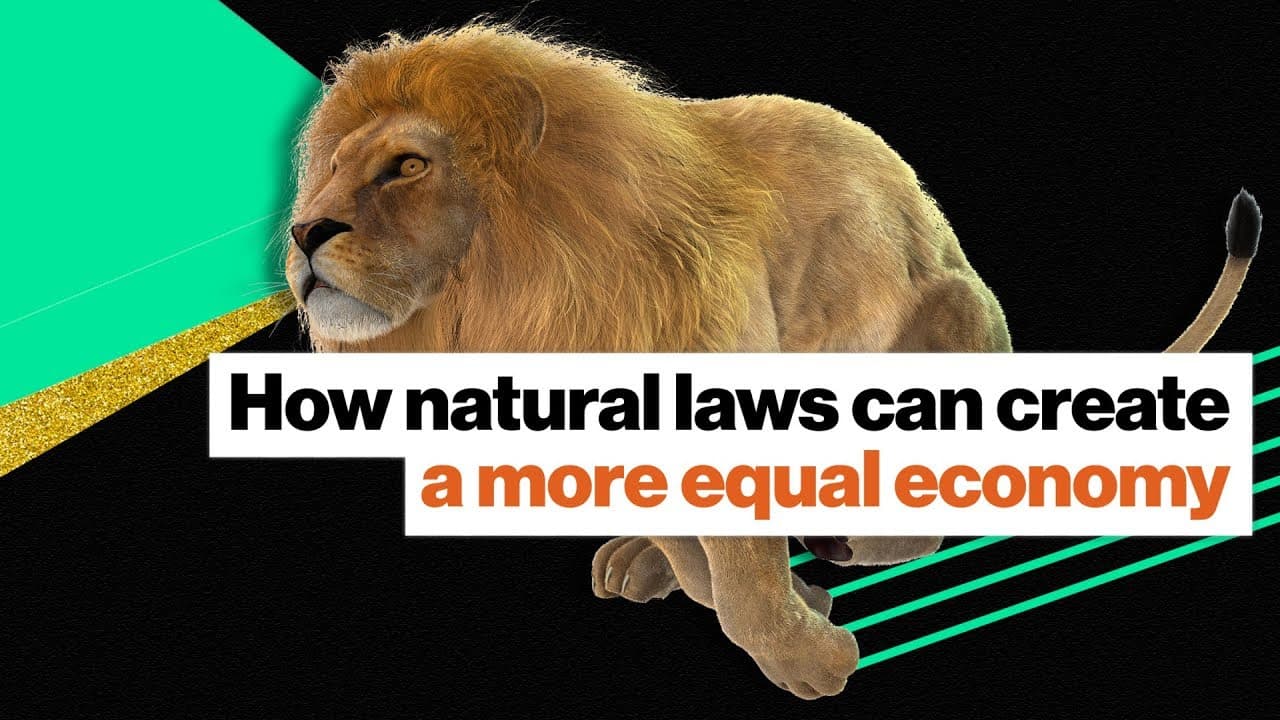
Healthy hierarchies in living systems, like the lion in the jungle, maintain balance without excessive extraction, serving a purpose in the ecosystem. In contrast, modern capitalist systems often prioritize extraction for maximized shareholder value, leading to imbalance and unsustainability.
Q: How can the banking sector move towards a more healthy hierarchy in line with regenerative economics?
The banking sector can shift towards healthier hierarchy through an enlightened regulatory regime with incentives and disincentives that encourage alignment with natural living system principles. Penalizing extractive practices and rewarding those in service of the real economy can steer banks towards sustainability.
Q: What is the significance of adopting regenerative economics in addressing the root causes of our current economic system?
Regenerative economics offers a solution to the limitations of the reductionist, mechanistic approach that underpins our current economic model. By aligning with natural living system principles, regenerative economics aims to create a sustainable economic system that considers the whole rather than fragmented parts.
Q: How does regenerative economics differ from sustainability as a concept?
Regenerative economics goes beyond sustainability as a goal by focusing on designing economic systems that mimic the patterns and principles of sustainable living systems. It aims to create systems that sustain themselves in harmony with natural order, rather than just reducing negative impacts.
Summary & Key Takeaways
-
Living systems operate through healthy hierarchies, contrasting with extractive hierarchy in modern capitalism.
-
Transition to regenerative economics necessitates incentivizing alignment with natural system principles.
-
Current economic model based on reductionism is unsustainable; regenerative economics seeks holistic, sustainable solutions.
Read in Other Languages (beta)
Share This Summary 📚
Summarize YouTube Videos and Get Video Transcripts with 1-Click
Try YouTube Summary with ChatGPT & Claude or YouTube Transcript Generator
Explore More Summaries from Big Think 📚



Summarize YouTube Videos and Get Video Transcripts with 1-Click
Try YouTube Summary with ChatGPT & Claude or YouTube Transcript Generator