Why Can't Noise-Cancelling Headphones Block All Noise?
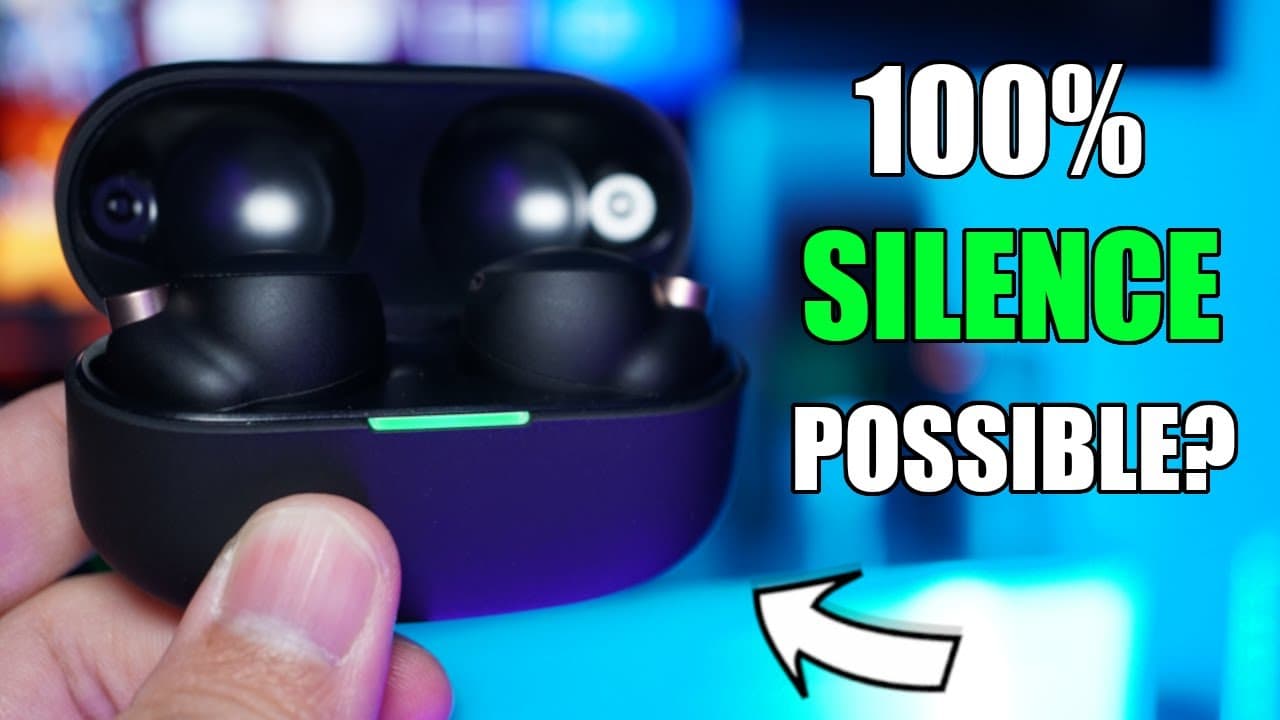
TL;DR
Noise-cancelling headphones cannot eliminate all sounds due to the limitations of active noise cancelling (ANC) technology, which works best on low-frequency, consistent noises. Higher-frequency and unpredictable sounds, like human voices, are much harder to cancel. A combination of ANC and passive noise blocking helps reduce ambient noise, but complete silence is unachievable.
Transcript
hey guys sometimes i do get comments on videos covering some of the most effective noise-cancelling headphones earbuds that some people are disappointed with how much noise is being canceled comments like i thought these are great for noise cancelling because all the reviewers my friends and family they say that these are some of the best but turns... Read More
Key Insights
- 👂 Noise-cancelling headphones utilize ANC technology to reduce ambient noise, primarily through sound inversion techniques.
- 🔊 ANC is most effective against monotone, low-frequency noises rather than dynamic and high-frequency sounds.
- 👂 Despite advancements, no noise-cancelling system can eliminate all external sounds, even those used in military applications.
- 🤫 Users might feel a disparity between expectations and reality, as many believe ANC will completely silence all noise, which isn't achievable.
- 💘 The effectiveness of ANC is enhanced when paired with physical barriers that block sound, like cushioned ear cups or ear plugs.
- 💦 Understanding how ANC works helps users make more informed decisions when choosing headphones or earbuds.
- 👂 Active noise cancelling helps maintain listening levels at safer volumes, reducing the risk of ear damage from excessive sound.
Install to Summarize YouTube Videos and Get Transcripts
Explore YouTube Video Summarizer or Get YouTube Transcript Extractor
Questions & Answers
Q: What is the primary function of active noise cancelling in headphones?
Active noise cancelling (ANC) in headphones uses integrated microphones to detect ambient noise, while electronics analyze this sound to generate an inverted noise signal that is played back. This effectively neutralizes certain noises, primarily lower-frequency, droning sounds, allowing users to experience reduced noise levels.
Q: Why is active noise cancelling less effective against human voices and high-frequency sounds?
ANC struggles with high-frequency sounds and human voices because these noises are often transient and unpredictable. Unlike low-frequency sounds that have a consistent wavelength, higher frequencies present a challenge for real-time cancellation, making ANC less effective in environments with complex noises.
Q: How can passive noise blocking complement active noise cancelling?
Passive noise blocking involves physical barriers, like ear cups or ear plugs, that prevent sound waves from entering the ear canal. While they are effective against higher-frequency sounds and human voices, they do not block low-frequency noises as well. Combining both ANC and passive blocking provides a more comprehensive solution to noise reduction.
Q: Are even military-grade noise-cancelling headsets entirely effective at blocking noise?
No, even advanced military-grade headsets, like the Bose tactical crewman headset, cannot completely eliminate all noise. Although designed for extreme environments, they can only significantly reduce sound levels through a combination of ANC and effective physical barriers, leaving some ambient noise audible.
Q: What should users realistically expect from their noise-cancelling headphones?
Users should expect noise-cancelling headphones to significantly reduce ambient noise, especially in quieter environments and against consistent sounds. However, complete removal of all background sounds is unrealistic, and a certain level of sound, particularly unpredictable noises, will still be perceivable.
Q: Why is it important to combine passive and active noise cancelling features in headphones?
The combination of passive and active noise cancelling allows for a more comprehensive approach to sound reduction. Active noise cancelling effectively reduces lower frequencies while passive blocking is better at attenuating higher frequencies, thus creating a better overall audio experience.
Summary & Key Takeaways
-
The video addresses common misconceptions about noise-cancelling headphones, explaining that while effective, they cannot cancel all types of noise.
-
Active noise cancelling (ANC) works best on low-frequency, constant sounds, while higher frequencies and transient noises remain challenging to filter out.
-
A combination of active noise cancelling and passive noise blocking, like ear cups, is essential for better noise reduction, yet complete silence is unattainable.
Read in Other Languages (beta)
Share This Summary 📚
Summarize YouTube Videos and Get Video Transcripts with 1-Click
Try YouTube Summary with ChatGPT & Claude or YouTube Transcript Generator
Explore More Summaries from Aaron X Loud and Wireless Reviews 📚
Summarize YouTube Videos and Get Video Transcripts with 1-Click
Try YouTube Summary with ChatGPT & Claude or YouTube Transcript Generator