What Are Muda, Mura, and Muri in Lean Management?
TL;DR
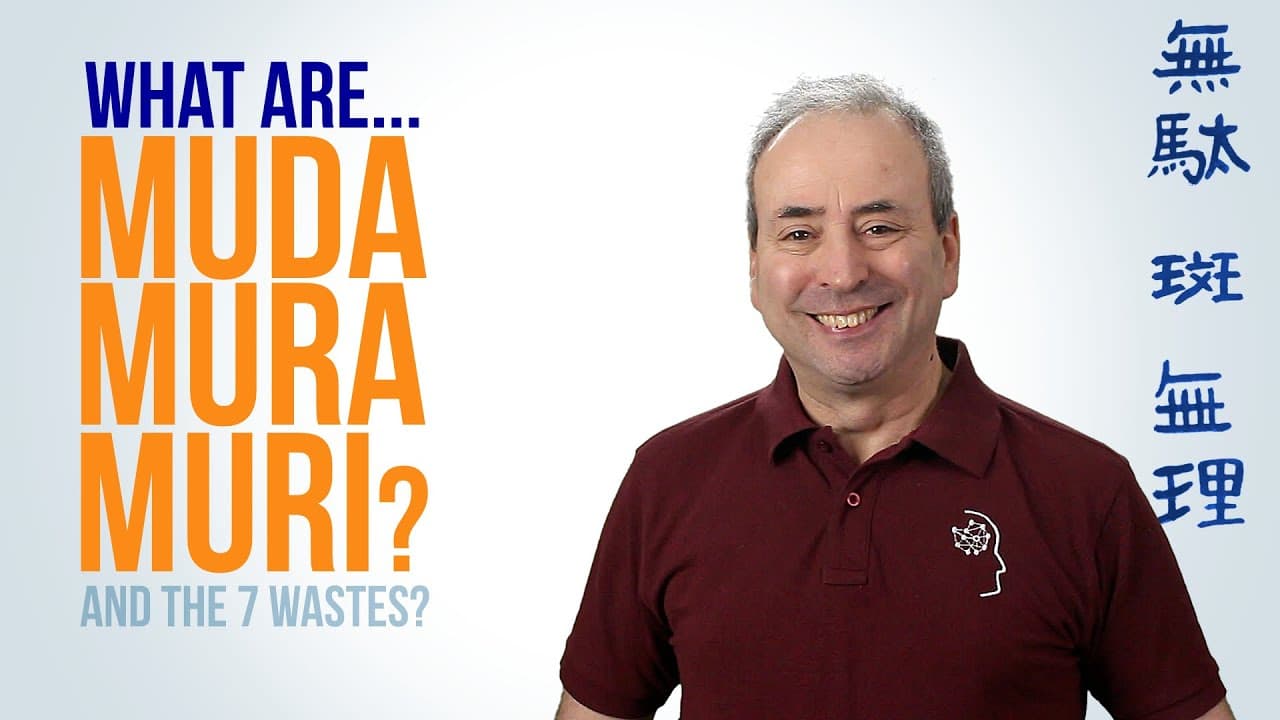
Muda, Mura, and Muri represent three forms of waste in lean management: Muda refers to wasted effort, Mura signifies inconsistency, and Muri denotes unreasonable requirements. Understanding these concepts, along with the seven wastes of lean production, is essential for enhancing efficiency in project management.
Transcript
in this video i want to answer the question what are muda mura amuri and the seven wastes of lean in japan waste is generally known as muda meaning wasted effort but in fact there are three forms of waste muda wasted effort mura inconsistency and marie are necessary requirements so if we do things we don't need to be doing that's moori if we do the... Read More
Key Insights
- 💁 Muda, Mura, and Muri are the three forms of waste that can hinder efficiency in project management.
- 🖐️ Taiichi Ono's Toyota Production System (TPS) introduced the concept of waste elimination and laid the groundwork for lean production.
- 🕖 The seven wastes of lean production, including defective production, overproduction, and inventory, can be addressed to improve project management processes.
- 🧑🏭 Consistency (Mura) and unreasonable requirements (Muri) are also important factors to consider in project management.
- 📽️ Lean production principles and waste elimination concepts from manufacturing have valuable applicability to project management.
- 🕖 Non-used employee talent is an additional waste often added to the original seven.
Install to Summarize YouTube Videos and Get Transcripts
Explore YouTube Video Summarizer or Get YouTube Transcript Extractor
Questions & Answers
Q: What are the three forms of waste in project management?
The three forms of waste are Muda (wasted effort), Mura (inconsistency), and Muri (unreasonable requirements). Each of these wastes can lead to inefficiency and wasted resources in project management.
Q: What is the Toyota Production System (TPS) and its connection to lean production?
The TPS is a manufacturing process developed by Taiichi Ono at Toyota. It laid the foundation for lean production by emphasizing waste elimination and continuous improvement. Lean production principles draw heavily from the TPS.
Q: What are the seven wastes of lean production?
The seven wastes of lean production are defective production, overproduction, waiting, transportation, inventory, motion, and over-processing. Identifying and eliminating these wastes can improve efficiency and reduce costs in project management.
Q: How can unreasonable requirements impact project management?
Unreasonable requirements, known as Muri, can lead to wasted effort, schedule delays, budget overruns, and emotional drain for project managers. Managing client, sponsor, and stakeholder expectations is crucial to avoiding Muri and maintaining project success.
Summary & Key Takeaways
-
There are three forms of waste: Muda (wasted effort), Mura (inconsistency), and Muri (unreasonable requirements).
-
Taiichi Ono revolutionized manufacturing with the Toyota Production System (TPS), which introduced the concept of waste elimination.
-
The seven wastes of lean production are defective production, overproduction, waiting, transportation, inventory, motion, and over-processing.
Read in Other Languages (beta)
Share This Summary 📚
Summarize YouTube Videos and Get Video Transcripts with 1-Click
Try YouTube Summary with ChatGPT & Claude or YouTube Transcript Generator
Explore More Summaries from Online PM Courses - Mike Clayton 📚





Summarize YouTube Videos and Get Video Transcripts with 1-Click
Try YouTube Summary with ChatGPT & Claude or YouTube Transcript Generator