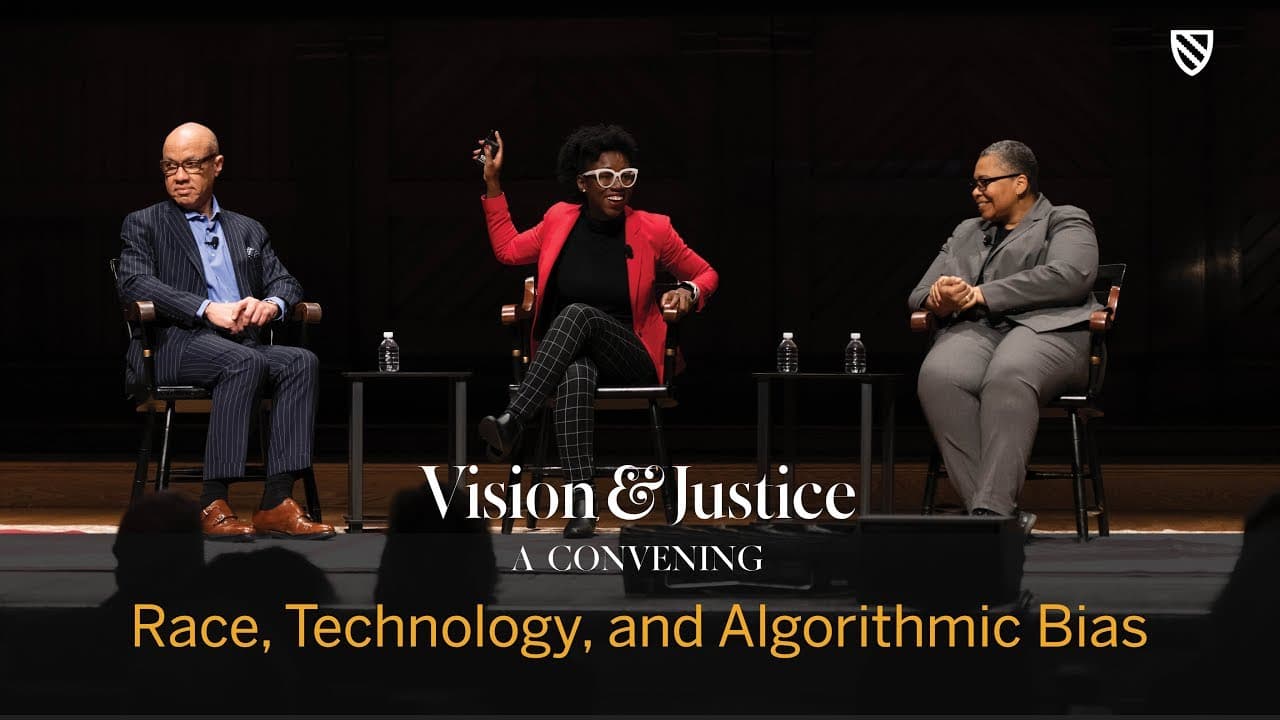
Race, Technology, and Algorithmic Bias | Vision & Justice || Radcliffe Institute
TL;DR
AI technology, while promising objectivity and accuracy, is often biased and perpetuates discrimination, affecting employment, facial recognition, autonomous vehicles, and more.
Transcript
- Joy. Latanya. - Darren. - What a joyous occasion this is to have this black girl magic, this brilliance, enveloped in this room. Dr. Latanya Sweeney wouldn't tell you this about herself, because she's a woman of great modesty, the first African American woman to receive a PhD in computer science at MIT. [APPLAUSE] - Joy Buolamwini would not tell ... Read More
Key Insights
- 🎨 Technology design reflects the values and biases of its creators.
- 🥺 Lack of diversity in data sets leads to biased algorithms and discriminatory outcomes.
- 🇨🇫 Public interest technologists and policymakers must collaborate to protect the public interest.
- 🖐️ The arts and humanities play a crucial role in raising awareness about the societal impact of AI technology.
- 🪡 Education needs to incorporate ethics and social responsibility into computer science curriculum.
- 🥰 Participatory AI is essential, ensuring marginalized voices are heard and included in decision-making processes.
Install to Summarize YouTube Videos and Get Transcripts
Explore YouTube Video Summarizer or Get YouTube Transcript Extractor
Questions & Answers
Q: How did Dr. Sweeney's research reveal bias in search engine algorithms?
Dr. Sweeney discovered that search engine ads implied arrest records based on a person's name, with black names more likely to generate such ads, unfairly disadvantaging African American job applicants.
Q: What did Joy Buolamwini's research uncover about facial recognition technology?
Buolamwini's research exposed racial and gender biases in facial recognition algorithms, with darker-skinned individuals and women more likely to be misidentified or not detected at all.
Q: How are autonomous vehicles affected by biases?
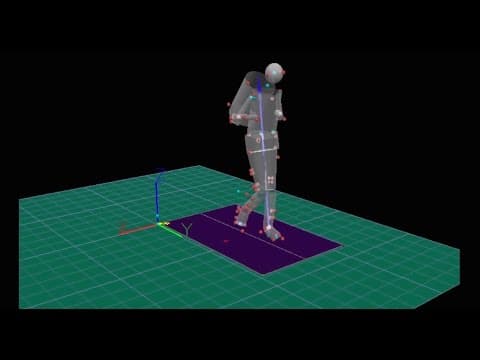
Testing revealed that autonomous vehicles have lower accuracy in detecting and tracking individuals with darker skin tones, indicating biased training data and software.
Q: What solutions are proposed to address these biases in AI technology?
The Algorithmic Justice League, founded by Buolamwini, aims to advocate for fairness and justice by challenging large tech companies to address flaws and biases in their AI systems. It is vital for technologists, policymakers, artists, and storytellers to work together and prioritize diversity and inclusion in the development and application of AI.
Summary & Key Takeaways
-
Dr. Latanya Sweeney discovered that search engine algorithms produced discriminatory results, falsely implying arrest records for individuals with distinctly African American names, disproportionately affecting employment opportunities for black applicants.
-
Joy Buolamwini's research revealed the racial and gender biases embedded in facial recognition technology, with darker-skinned individuals and women being misidentified or undetected.
-
Autonomous vehicles also demonstrate biases, as testing demonstrated lower accuracy in detecting and tracking individuals with darker skin tones.
Read in Other Languages (beta)
Share This Summary 📚
Summarize YouTube Videos and Get Video Transcripts with 1-Click
Try YouTube Summary with ChatGPT & Claude or YouTube Transcript Generator
Explore More Summaries from Harvard University 📚





Summarize YouTube Videos and Get Video Transcripts with 1-Click
Try YouTube Summary with ChatGPT & Claude or YouTube Transcript Generator