What Impact Does America's War on Drugs Have?
TL;DR
America's War on Drugs has led to significant legal complexities, with drug laws often failing to reduce availability while creating ambiguous legal situations for new synthetic substances. Many prosecutions target low-level offenders, who are often victims of larger drug networks, raising questions about the efficacy and morality of these laws in addressing drug-related issues.
Transcript
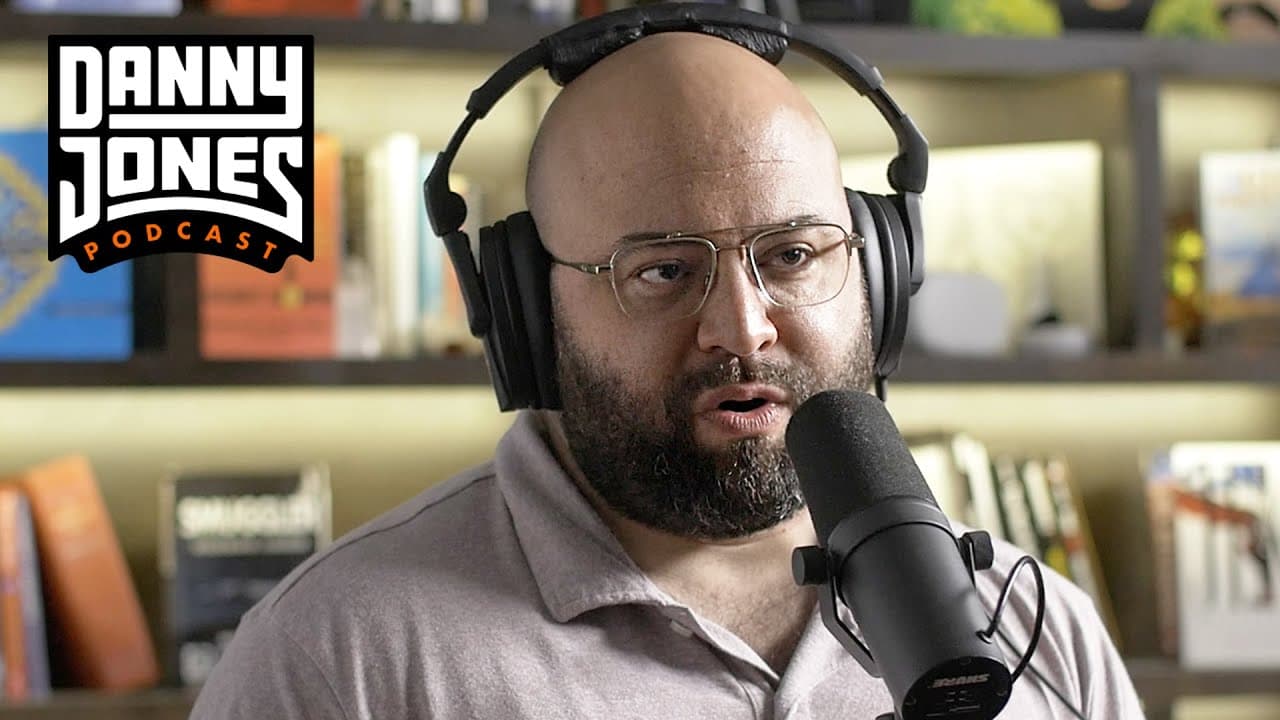
foreign how the hell does a New York City narcotics prosecutor become this writer and write books like this about the War on Drugs I don't know hold your book up bizarre so people can see what it is The Surreal Saga of America's Secret war on synthetic drugs and Florida's kingpins that it captured I don't know you know if I had just woke up here yo... Read More
Key Insights
- 🫱 The transition from prosecutor to author provides a unique perspective on the drug war and its social implications.
- 🙈 Daily life as a narcotics prosecutor involves intense investigations that rival dramatizations seen on TV.
- 🧑🏭 The analog act complicates drug prosecution, creating legal ambiguity for substances not clearly defined as illegal.
- 😘 The war on drugs has failed to produce significant reductions in drug availability while perpetuating cycles of incarceration for low-level offenders.
- 🌥️ Many arrested individuals are often victims of larger drug networks, illustrating systemic issues within the legal framework.
- ❓ Cultural perceptions of drugs influence legal statutes and enforcement, creating biases in prosecution practices.
- 🤨 The effectiveness of drug laws is under constant scrutiny, raising questions about their ultimate purpose and societal impact.
Install to Summarize YouTube Videos and Get Transcripts
Explore YouTube Video Summarizer or Get YouTube Transcript Extractor
Questions & Answers
Q: What motivated the former prosecutor to leave their position and write about their experiences?
The shift came partly due to a change in life circumstances, including a move from New York to Washington, D.C. The prosecutor sought a new adventure in media and journalism while maintaining their law license and passion for legal storytelling, eventually leading to their book.
Q: How did the prosecutor's office operate in New York City regarding narcotics?
The prosecutor worked for the Manhattan DA's office, specifically in the special narcotics unit that deals with felony drug cases throughout New York City. This office, although less known, handles complex drug crimes and receives vast exposure to various criminal activities connected to drugs.
Q: What was the scope of investigations that the prosecutor participated in during their career?
Investigations ranged from street-level buy-and-bust operations to high-stakes wiretaps, often including international elements. These cases sometimes involved extradition of suspects from countries like Colombia, demonstrating the global nature of drug trafficking.
Q: What role does the analog act play in the prosecution of synthetic drugs?
The analog act allows the prosecution of substances deemed "substantially similar" to controlled substances, indefinitely expanding the number of substances that can be classified as illegal. Its vagueness and broad application raise concerns about due process and fairness in drug law enforcement.
Q: How has the war on drugs impacted the lives of those involved on both sides?
Many individuals, including low-level drug offenders, are caught in a bureaucratic system that often overlooks the complexities of drug dependence and crime. The prosecutor discusses instances where people are arrested for being pawns in larger drug networks, questioning the overall effectiveness of punitive measures.
Q: How does the prosecutor view the effectiveness of the drug war at large?
The prosecutor reflects on the futility of the drug war, highlighting that arrests often do not reduce drug availability on the streets. Rather, they create a cycle where individuals continue to be prosecuted for their involvement in a pervasive and largely unchanged drug market.
Q: What insights did the prosecutor offer regarding the challenges faced by those in law enforcement?
Prosecutors often do not grapple with the larger implications of the drug war; their focus is generally on individual cases. This mindset helps them cope with daily challenges, as the complexity of success in stopping drug trafficking is almost unattainable.
Q: How does cultural perception of drugs complicate the legal definition of legality?
Culturally, certain substances, like alcohol, are normalized while others, like cannabis, are stigmatized, leading to inconsistent legal definitions and societal attitudes. This dichotomy reveals the complexities in regulating substances based on cultural biases rather than scientific evidence.
Summary & Key Takeaways
-
The transition from a narcotics prosecutor to a writer highlights the complexities of drug laws, focusing on the impact of the War on Drugs and synthetic substances.
-
Insight into daily life as a narcotics prosecutor reveals intense investigative work, real-time courtroom experiences, and the challenges of addressing drug-related crimes.
-
The discussion raises questions about the effectiveness and morality of drug prosecutions, amplifying the dialogue about the modern drug war and its implications for society.
Read in Other Languages (beta)
Share This Summary 📚
Summarize YouTube Videos and Get Video Transcripts with 1-Click
Try YouTube Summary with ChatGPT & Claude or YouTube Transcript Generator
Explore More Summaries from Danny Jones Podcast 📚


Summarize YouTube Videos and Get Video Transcripts with 1-Click
Try YouTube Summary with ChatGPT & Claude or YouTube Transcript Generator