Maintaining Motivation Through Difficult Moments - Max Lugavere
TL;DR
Max Lugavere documents his mother's dementia journey, highlighting challenges and emotional impact.
Transcript
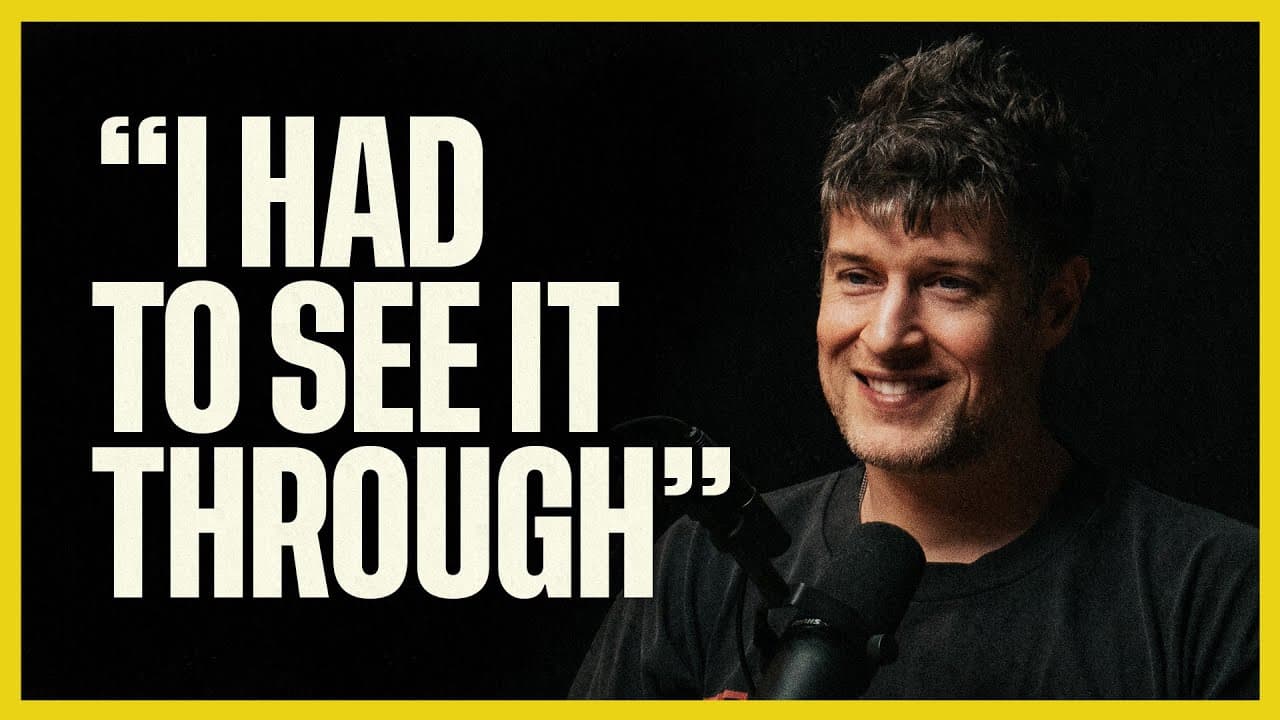
one thing I'm curious about you know you worked on this this film for 10 years as your mom continued to get sicker and and decline how hard was it to maintain the work on the film while she kept getting sicker you know like it's a long project and as a Creator myself sometimes pulling out the camera and documenting certain parts are very challengin... Read More
Key Insights
- Max Lugavere spent a decade documenting his mother's battle with dementia, a journey filled with emotional and mental challenges.
- The film emphasizes the dual burden of dementia, affecting both the patient and their caregivers, revealing the disease's profound impact on families.
- Documenting his mother's decline served as a therapeutic outlet for Max, transforming personal pain into meaningful art.
- Max prioritized self-care throughout the process, recognizing the importance of maintaining personal well-being to effectively support his mother.
- The raw and unfiltered moments captured in the film, such as his mother's struggle with simple tasks, underscore the harsh realities of dementia.
- Max's mother's awareness of her condition added an extra layer of complexity and emotional depth to the family's experience.
- The documentary aims to raise awareness about dementia, offering a realistic portrayal of its impact on individuals and families.
- Max's mother's charisma and willingness to participate in the film contribute to its authenticity and emotional resonance.
Install to Summarize YouTube Videos and Get Transcripts
Explore YouTube Video Summarizer or Get YouTube Transcript Extractor
Questions & Answers
Q: How did Max maintain motivation while documenting his mother's decline?
Max maintained motivation by prioritizing self-care and viewing the documentation as a way to transform personal pain into meaningful art. Despite the emotional toll, he recognized the importance of seeing the project through, offering a realistic portrayal of dementia's impact on families.
Q: What challenges did Max face during the film's production?
Max faced immense emotional and mental challenges, witnessing his mother's decline and the toll it took on his family. The dual burden of dementia, affecting both the patient and caregivers, added complexity to the process, making it difficult to document such raw and painful moments.
Q: How does the film portray the reality of dementia?
The film captures raw, unfiltered moments, such as Max's mother struggling with simple tasks, highlighting the harsh realities of dementia. These scenes emphasize the emotional and mental toll on both the patient and their loved ones, offering an authentic and impactful portrayal of the disease.
Q: Why was self-care important for Max during this time?
Self-care was crucial for Max to maintain personal well-being and effectively support his mother. By prioritizing his own health, he could show up as the best version of himself, which was essential for providing the necessary support during his mother's battle with dementia.
Q: What role did Max's mother play in the documentary?
Max's mother played a central role in the documentary, with her charisma and willingness to participate adding authenticity and emotional resonance. Her awareness of her condition added complexity to the family's experience, enhancing the film's emotional depth and impact.
Q: How does the documentary aim to raise awareness about dementia?
The documentary aims to raise awareness by offering a realistic portrayal of dementia's impact on individuals and families. By capturing raw and challenging moments, it highlights the dual burden of the disease and the emotional toll on both patients and caregivers, fostering understanding and empathy.
Q: What impact did Max's mother's awareness of her condition have?
Max's mother's awareness of her condition added an extra layer of complexity and emotional depth to the family's experience. It intensified the emotional toll on both her and her loved ones, making the journey more challenging but also enhancing the film's authenticity and impact.
Q: How did the film transform Max's personal pain into art?
The film served as a therapeutic outlet for Max, allowing him to transform personal pain into meaningful art. By documenting his mother's decline, he could process and express the emotional and mental challenges faced, offering a realistic portrayal of dementia's impact and raising awareness about the disease.
Summary & Key Takeaways
-
Max Lugavere's decade-long project documents his mother's battle with dementia, capturing the emotional and mental toll on both the patient and caregivers. The film highlights the importance of self-care and transforming personal pain into art, offering a realistic portrayal of dementia's impact.
-
The documentary features raw and unfiltered moments, such as Max's mother struggling with simple tasks, emphasizing the harsh realities of dementia. Max's commitment to self-care during this period underscores the importance of maintaining personal well-being while supporting a loved one.
-
Max's mother's awareness of her condition added complexity to the family's experience, enhancing the film's emotional depth. Her charisma and participation contribute to the documentary's authenticity, aiming to raise awareness about dementia and its profound impact on individuals and families.
Read in Other Languages (beta)
Share This Summary 📚
Summarize YouTube Videos and Get Video Transcripts with 1-Click
Try YouTube Summary with ChatGPT & Claude or YouTube Transcript Generator
Explore More Summaries from The Nick Bare Podcast 📚

Summarize YouTube Videos and Get Video Transcripts with 1-Click
Try YouTube Summary with ChatGPT & Claude or YouTube Transcript Generator