Dr Nene Breaks Down Cardiac Arrest’s Early Symptoms | Tips for Better Sleep, Lifestyle | Biohacking
TL;DR
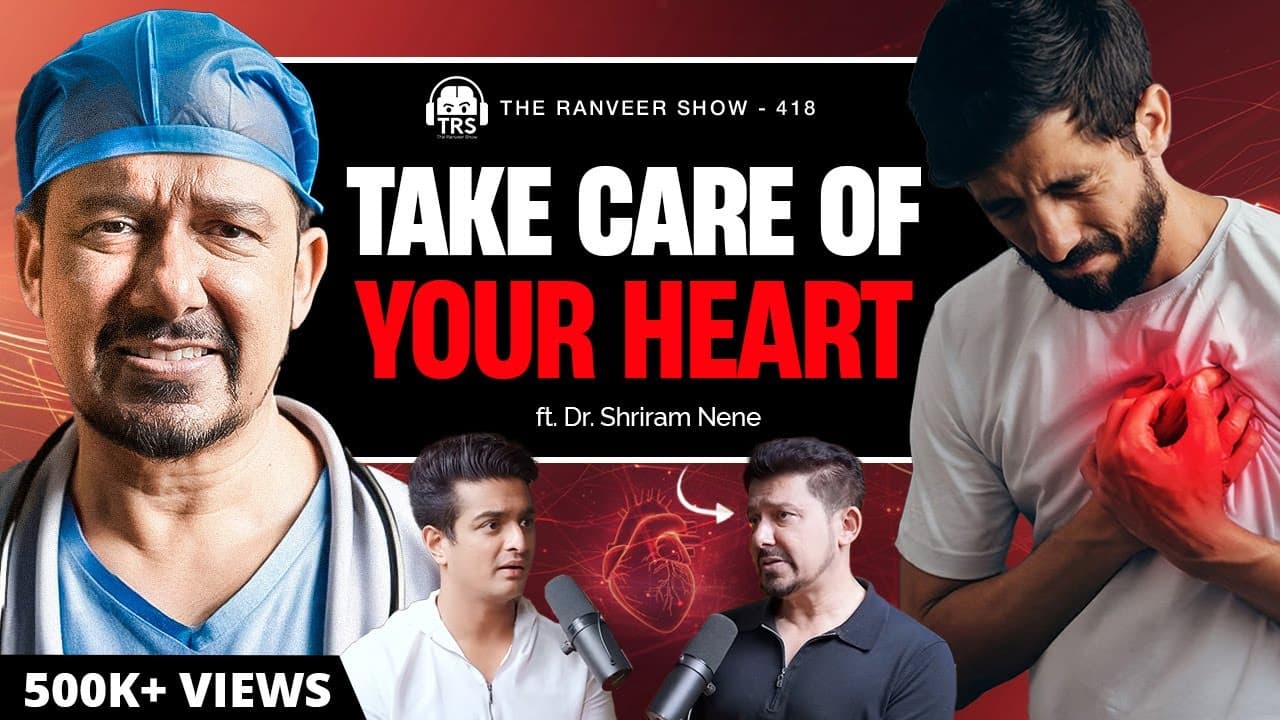
Dr. Shiram Nene discusses heart health, the impact of lifestyle choices, and the importance of early detection.
Transcript
what happens when someone gets a heart attack once that heart stops there's 6 minutes within which if you don't start it you've got brain damage you think mental health can lead to heart attacks yes why are we seeing all these younger guys getting heart attacks they've amount of stressed and continually depressed to smoking 15 cigarettes a day damn... Read More
Key Insights
- 🥰 The first crucial minutes following a heart attack can determine the extent of brain recovery, emphasizing the need for prompt medical response.
- 🧑⚕️ Loneliness has been shown to significantly increase mortality risks, demonstrating the importance of maintaining social connections for overall health.
- 🥰 Chronic stress can negatively impact physical health, and addressing mental well-being is essential for preventing heart disease.
- 🥰 Cardiovascular exercise is critical in promoting heart health by enhancing blood flow and creating new arterial pathways.
- 🥰 Genetics and lifestyle choices collectively influence an individual's risk of developing heart disease, necessitating a holistic approach to health management.
- 🥰 Regular health screening is essential for early detection of risk factors, especially in individuals with a family history of heart disease.
- 💓 Education about diet and nutrition can help individuals make informed choices that promote heart health, particularly in regions with prevalent unhealthy eating habits.
Install to Summarize YouTube Videos and Get Transcripts
Explore YouTube Video Summarizer or Get YouTube Transcript Extractor
Questions & Answers
Q: How crucial is immediate response during a heart attack?
Immediate response during a heart attack is vital; if the heart stops, there are about six minutes before irreversible brain damage occurs. Quick action such as CPR can restore circulation and prevent serious consequences. In emergency situations, timely medical intervention can be life-saving, highlighting the importance of awareness and education regarding heart health.
Q: Can mental health issues contribute to heart attacks?
Yes, mental health factors like chronic stress and depression can indirectly lead to heart attacks. They may prompt unhealthy lifestyle choices, such as smoking or binge drinking, which escalate the risk factors associated with heart disease. Balancing mental well-being and physical health is essential for maintaining heart health.
Q: What role does exercise play in heart health?
Regular cardiovascular exercise is crucial for maintaining heart health. Cardio workouts strengthen the heart muscle, improve blood circulation, and promote the creation of new blood vessels, which can help bypass blockages. It's important to find enjoyable activities to stay committed to a consistent exercise routine for long-term benefits.
Q: How important is a healthy marital relationship to physical health?
A healthy marriage contributes positively to physical health, as studies suggest that loneliness can increase the risk of death significantly—roughly equivalent to smoking 15 cigarettes daily. Strong emotional connections lead to healthier lifestyles and improved well-being, emphasizing the importance of social support in overall health.
Q: What are the significant risk factors for heart disease?
Key risk factors for heart disease include high blood pressure, high cholesterol, smoking, diabetes, and a sedentary lifestyle. Genetics can also play a role in a person's predisposition to heart conditions. Managing these risk factors through healthy habits is essential to prevent heart-related issues.
Q: Should young people get their heart health checked?
Generally, young people should prioritize lifestyle education and risk factor awareness rather than routine heart health checks unless they have family histories or existing symptoms. Proactive health management focuses more on preventing risks than on reactive treatment.
Q: How is cholesterol linked to heart disease?
Cholesterol is a complex variable in heart disease. While it's not inherently harmful, high levels of LDL (bad cholesterol) can lead to plaque buildup in arteries, increasing the risk of heart attacks. Conversely, HDL (good cholesterol) plays a protective role. Lifestyle and genetics both influence cholesterol levels.
Q: What lifestyle choices should individuals prioritize for heart health?
Individuals should prioritize a balanced diet rich in fruits, vegetables, and whole grains, regular cardiovascular exercise, maintaining a healthy weight, avoiding smoking, and managing stress levels. Adequate sleep and hydration are also critical components in maintaining heart health and overall well-being.
Summary & Key Takeaways
-
Dr. Shiram Nene emphasizes the critical timeframe for brain recovery after a heart attack, underlining that immediate action is essential to prevent severe damage.
-
The discussion connects mental health to heart disease risk, noting that stress and unhealthy habits, such as smoking and poor diet, significantly increase vulnerability.
-
Emphasizing the benefits of strong social connections and good marriages, Dr. Nene argues that loneliness poses substantial health risks, comparable to smoking.
Read in Other Languages (beta)
Share This Summary 📚
Summarize YouTube Videos and Get Video Transcripts with 1-Click
Try YouTube Summary with ChatGPT & Claude or YouTube Transcript Generator
Explore More Summaries from The Ranveer Show - All Episodes 📚

Summarize YouTube Videos and Get Video Transcripts with 1-Click
Try YouTube Summary with ChatGPT & Claude or YouTube Transcript Generator