Biology Reproduction in Animals Part 12 (Fertilization Types : Internal & External) Class 8 VIII
TL;DR
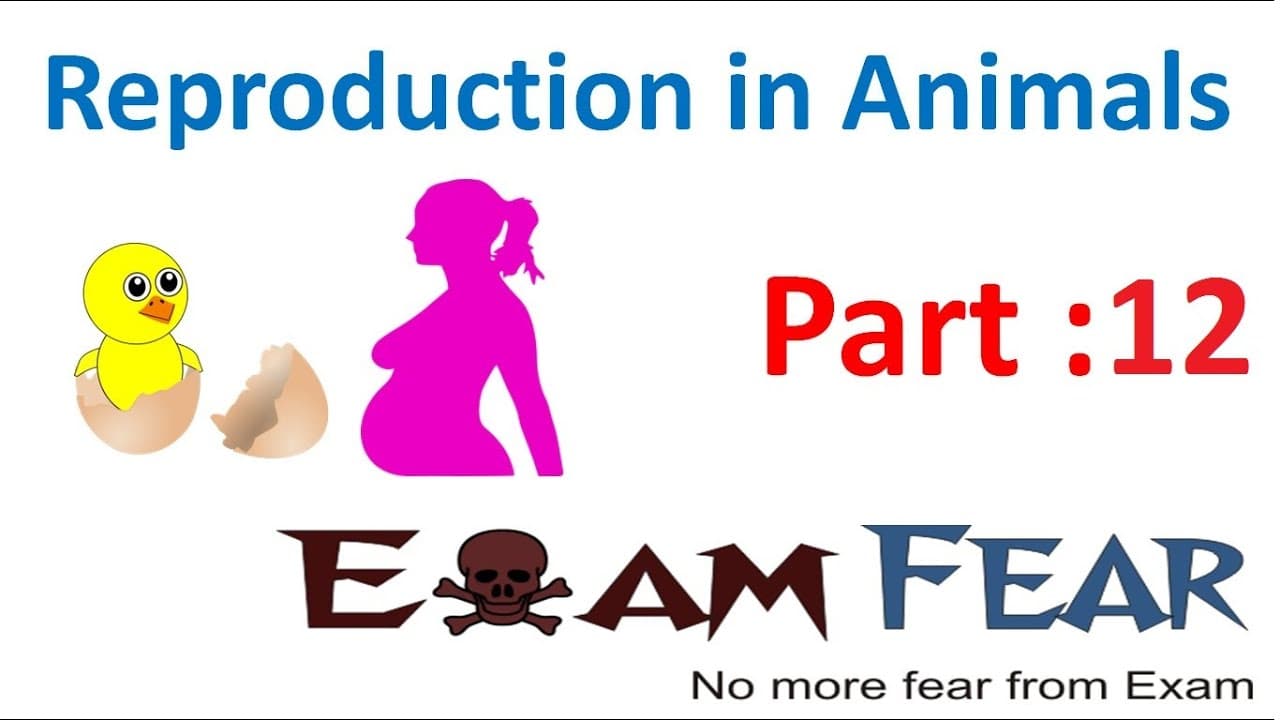
This video explains the process of fertilization, including the fusion of sperm and egg to form a zygote, the development of the zygote into a fetus, and the types of fertilization in different organisms.
Transcript
Hello friends this video on reproduction in Animals part 12 is brought to you by exam fear.com no more fear from exam so now we will talk about the process of fertilization because by now we know how the male sex cell that is the male gamut which is sperm how sperm is produced we also know the female sex cell that is ovam or egg how that is produce... Read More
Key Insights
- 💁 Fertilization is the fusion of sperm and egg, resulting in the formation of a zygote.
- 👶 The zygote undergoes cell division to form a fetus, which develops into a baby over 9 months.
- 💦 Fertilization in human beings occurs in the fallopian tube, while in frogs and other organisms, it can occur externally in water.
- 🪺 Only one sperm is needed to fertilize an egg, even though millions of sperms are produced.
- 🪺 The unfertilized egg remains alive for 24 hours after ovulation.
- 🧑🏭 External fertilization in frogs is risky due to exposure to environmental factors and predation.
- 💦 Water serves as a medium for fertilization in frogs and other organisms.
Install to Summarize YouTube Videos and Get Transcripts
Explore YouTube Video Summarizer or Get YouTube Transcript Extractor
Questions & Answers
Q: What is fertilization?
Fertilization is the process in which a sperm and an egg fuse together to form a new cell called a zygote.
Q: Where does fertilization take place in human beings?
Fertilization in human beings takes place in the fallopian tube, where the sperm and the egg meet.
Q: How many chromosomes are present in the zygote?
The zygote contains 46 chromosomes, with 23 chromosomes contributed by the sperm and 23 chromosomes contributed by the egg.
Q: Can fertilization occur after 24 hours of ovulation?
No, fertilization needs to occur within 24 hours of ovulation because the unfertilized egg remains alive for only 24 hours.
Q: What is the difference between internal and external fertilization?
Internal fertilization occurs inside the female body, as in human beings, while external fertilization takes place outside the female body, as in frogs.
Q: How do frogs undergo external fertilization?
Frogs release their eggs and sperm into the water, where they meet and fuse together to form new organisms.
Q: Why do only a few eggs get fertilized in frogs?
In frogs, the eggs are exposed to environmental conditions and can be destroyed by wind, rain, or other animals. Additionally, there are millions of sperms released, but not all can reach and fertilize the eggs.
Q: How do sperms reach the eggs in external fertilization?
Sperms are motile and can swim through water to reach the eggs and fertilize them.
Summary & Key Takeaways
-
The process of fertilization involves the fusion of the male gamete (sperm) and the female gamete (egg) to form a zygote.
-
The zygote undergoes multiple cell divisions to form a fetus, which gradually develops into a baby over a period of 9 months.
-
Fertilization can occur through internal fertilization, where fusion takes place inside the female body (as in human beings), or external fertilization, where fusion occurs outside the female body (as in frogs).
Read in Other Languages (beta)
Share This Summary 📚
Summarize YouTube Videos and Get Video Transcripts with 1-Click
Try YouTube Summary with ChatGPT & Claude or YouTube Transcript Generator
Explore More Summaries from LearnoHub - Class 11, 12 📚



Summarize YouTube Videos and Get Video Transcripts with 1-Click
Try YouTube Summary with ChatGPT & Claude or YouTube Transcript Generator