The Neurobiology of Evil
TL;DR
Neuroscientific research has revealed brain differences in coldhearted murderers affecting social decision-making and moral attitudes.
Transcript
for a long time people wondered is there something different about the brain of somebody who does violent acts particularly repetitive violent acts in comparison to an ordinary person's brain but not very much was known about it until the last maybe 15 20 years particularly as we entered the era of the magnetic resonance imaging and with MRI and fu... Read More
Key Insights
- 🧠 MRI technology has revolutionized the study of the brain's role in social decision-making and moral judgment.
- 🥺 Dysfunction in the amygdala can lead to a lack of empathy and concern for others' emotions.
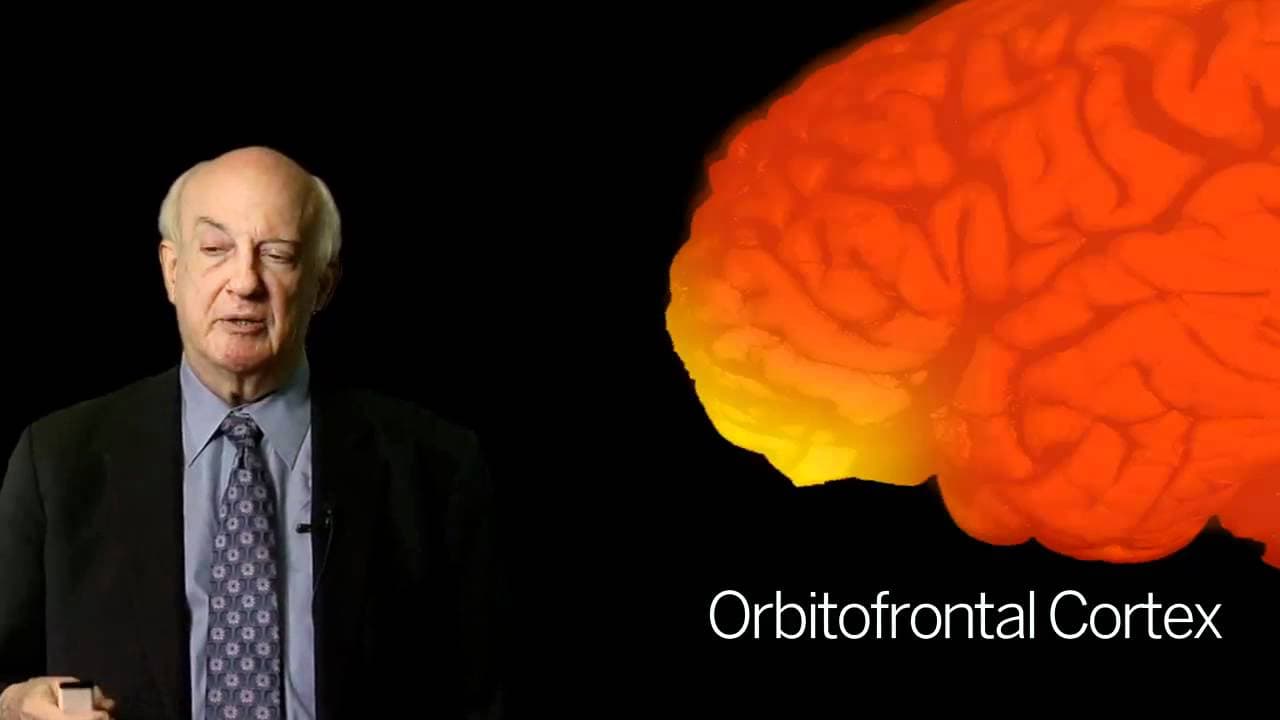
- 🧑🏭 The orbital frontal cortex acts as a braking system, preventing individuals from engaging in immoral or criminal behavior.
- 🧠 The anterior cingulate serves as a "jury" in the brain, influencing moral decisions through transmission of messages to the frontal cortex.
- 🧠 Understanding the interplay between different brain regions is crucial in comprehending criminal behavior and moral decision-making.
- 👨🔬 Neuroscientific research provides insights into the biological mechanisms underlying social behavior and ethics.
- 🧠 Differences in brain function can impact an individual's ability to adhere to societal norms and legal boundaries.
Install to Summarize YouTube Videos and Get Transcripts
Explore YouTube Video Summarizer or Get YouTube Transcript Extractor
Questions & Answers
Q: How has MRI technology enhanced our understanding of the brain's role in social decision-making?
MRI technology has enabled researchers to capture real-time images of the brain, showcasing differences in blood flow during various cognitive processes like social decision-making.
Q: What impact does dysfunction in the amygdala have on individuals?
Dysfunction in the amygdala can lead to the inability to empathize with others' emotions, potentially resulting in coldhearted behaviors like taking advantage of vulnerable individuals.
Q: What role does the orbital frontal cortex play in moral decision-making?
The orbital frontal cortex serves as a "braking system" in the brain, helping individuals discern right from wrong and preventing impulsive or immoral actions.
Q: How does the anterior cingulate function in decision-making processes?
The anterior cingulate acts as a "jury" in the brain, weighing the consequences of actions and influencing moral decisions by transmitting messages to the frontal cortex.
Summary & Key Takeaways
-
Advances in MRI technology have allowed researchers to study the brain during social decision-making and moral judgment.
-
Areas of the brain, such as the amygdala and orbital frontal cortex, play crucial roles in recognizing emotions and making moral decisions.
-
Dysfunction in these brain regions can lead to individuals engaging in criminal behavior without experiencing moral conflict.
Read in Other Languages (beta)
Share This Summary 📚
Summarize YouTube Videos and Get Video Transcripts with 1-Click
Try YouTube Summary with ChatGPT & Claude or YouTube Transcript Generator
Explore More Summaries from Big Think 📚




Summarize YouTube Videos and Get Video Transcripts with 1-Click
Try YouTube Summary with ChatGPT & Claude or YouTube Transcript Generator