How To Change Bad Behaviors & Build Healthy Habits That Create Results | Mind Pump 2244
TL;DR
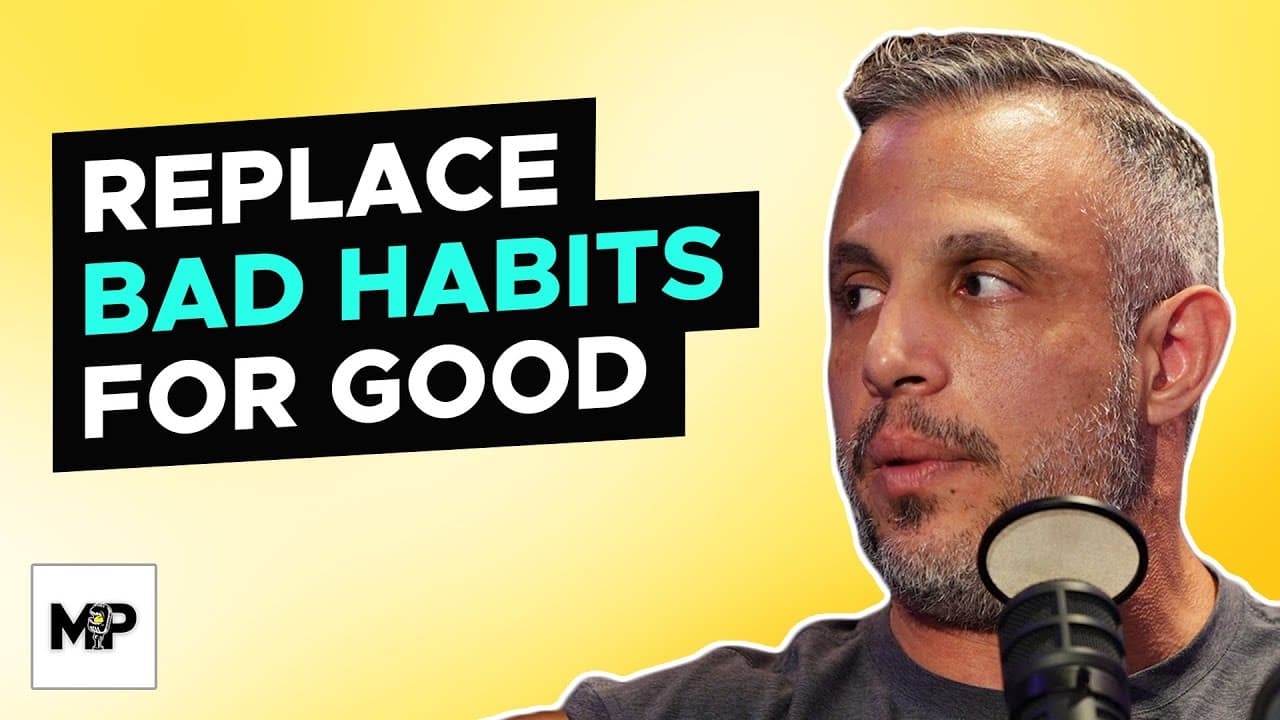
Replace negative habits with positive ones for lasting change.
Transcript
all right everybody don't think of zebras all right here's what just happened you're thinking of zebras what's my point if you want to stop a behavior if you want to change your behaviors don't think to yourself don't do that doesn't work you have to replace it with something else in fact the most effective strategies are to find behaviors that are... Read More
Key Insights
- Replacing negative behaviors with positive alternatives is crucial for sustainable change. Simply trying to stop a behavior without a replacement often leads to failure.
- Group fitness classes often fail to meet individual needs, emphasizing the importance of personalized training and the challenges of managing diverse fitness levels in a group setting.
- The importance of understanding and addressing psychological aspects of fitness, such as the impact of stress and anxiety on eating habits and overall health.
- The challenges faced by fitness professionals in maintaining personal integrity while meeting client demands and gym expectations.
- The influence of personal life changes, such as becoming a parent, on fitness goals and the need to adapt workout routines to new life priorities.
- The significance of focusing on the quality of movement and rest periods in workouts to maximize results and prevent injury.
- The impact of diet and exercise on hormonal health and the importance of a balanced approach to fitness and nutrition.
- The role of fitness professionals in educating clients about the importance of behavioral science in achieving long-term health and fitness goals.
Install to Summarize YouTube Videos and Get Transcripts
Explore YouTube Video Summarizer or Get YouTube Transcript Extractor
Questions & Answers
Q: What is the most effective way to teach a group fitness class?
The most effective way to teach a group fitness class is to focus on exercises that can be easily modified for different fitness levels and to emphasize quality of movement over quantity. Incorporating elements like mobility and strength training, while allowing for rest periods, can help cater to the diverse needs of participants. Additionally, educating participants about the purpose and benefits of each exercise can enhance their engagement and adherence.
Q: Are spin classes preventing me from reaching my fitness goals?
Spin classes can be a valuable part of a fitness routine, but they may hinder muscle-building goals if not balanced with strength training. It's important to ensure that your overall workout plan includes sufficient resistance training to build and maintain muscle mass, which can aid in achieving a leaner physique. Adjusting the frequency and intensity of spin classes and focusing on a well-rounded fitness program can help align with your goals.
Q: How can I shift my mindset or goals to look forward to getting to the gym?
Shifting your mindset involves redefining what fitness means to you in your current life stage. Instead of focusing solely on performance or aesthetics, consider how exercise can enhance your overall well-being and support your life priorities, such as being a present parent or maintaining energy levels. Setting new challenges or exploring different aspects of fitness, like mobility or mindfulness, can also renew motivation.
Q: Why does my lower back get extremely tight and stiff after doing barbell back squats and RDLs?
Lower back tightness and stiffness after exercises like barbell back squats and RDLs may be due to improper form, inadequate warm-up, or muscle imbalances. Ensuring proper technique, incorporating mobility exercises, and strengthening the core and supporting muscles can help alleviate discomfort. Consulting with a fitness professional to assess and correct form can also be beneficial.
Q: What are the psychological aspects of fitness that need to be addressed for success?
Psychological aspects such as stress, anxiety, and emotional eating can significantly impact fitness success. It's important to identify and address these factors by developing coping strategies, setting realistic goals, and focusing on behavioral change. Understanding the connection between mental health and physical health can enhance motivation and adherence to a fitness program.
Q: How can I maintain fitness progress while managing life changes like parenthood?
Maintaining fitness progress during life changes involves adapting your routine to fit new priorities. This may mean shorter, more efficient workouts or focusing on maintaining rather than building fitness levels. Emphasizing consistency and flexibility, rather than perfection, can help sustain progress. Recognizing that fitness can enhance your ability to manage life changes can also provide motivation.
Q: How can I educate clients about the importance of behavioral science in fitness?
Educating clients about behavioral science involves explaining how habits, mindset, and environment affect fitness outcomes. Providing practical strategies for behavior change, such as goal setting and habit stacking, can empower clients to make sustainable changes. Sharing success stories and research can also help clients understand the significance of psychological factors in achieving their goals.
Q: What role does diet play in achieving fitness goals, and how can I balance it with exercise?
Diet plays a crucial role in achieving fitness goals by providing the necessary nutrients for energy, recovery, and muscle growth. Balancing diet with exercise involves ensuring adequate caloric intake to support activity levels and focusing on nutrient-dense foods. It's important to tailor dietary strategies to individual goals, such as muscle building or fat loss, and to consider factors like meal timing and macronutrient balance.
Summary & Key Takeaways
-
The podcast emphasizes the importance of replacing negative habits with positive alternatives to achieve lasting behavioral change. It highlights the challenges faced by fitness professionals in group settings and the need for personalized training.
-
Discussion on the psychological aspects of fitness, including stress and anxiety management, and their impact on eating habits and overall health. The podcast also touches on the importance of understanding client needs and maintaining personal integrity in the fitness industry.
-
The podcast explores the challenges of balancing personal life changes, such as parenthood, with fitness goals. It stresses the importance of adapting workout routines to align with new life priorities and the significance of focusing on movement quality and rest in workouts.
Read in Other Languages (beta)
Share This Summary 📚
Summarize YouTube Videos and Get Video Transcripts with 1-Click
Try YouTube Summary with ChatGPT & Claude or YouTube Transcript Generator
Explore More Summaries from Mind Pump Show 📚



Summarize YouTube Videos and Get Video Transcripts with 1-Click
Try YouTube Summary with ChatGPT & Claude or YouTube Transcript Generator