Is It Possible to Be Completely Free of Plastic?
TL;DR
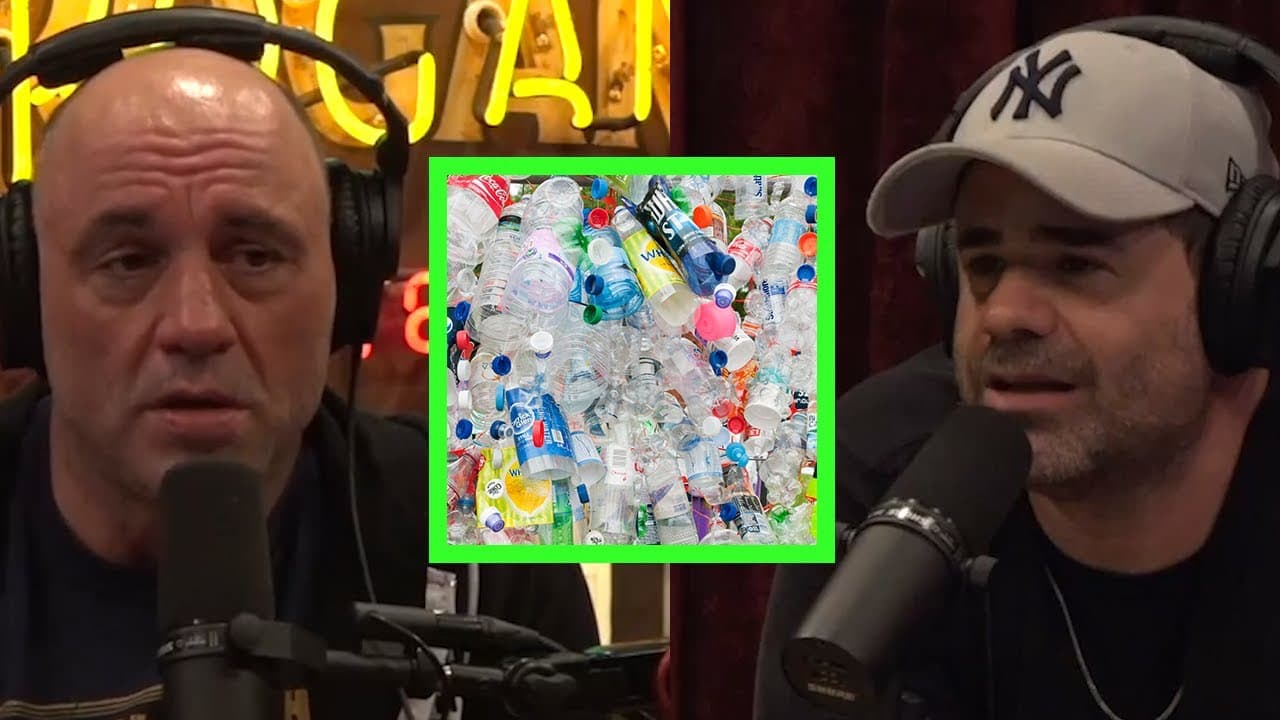
Microplastics from plastics are entering human bloodstreams, affecting reproductive systems and health.
Transcript
the jurogan experience and it's also happening because of plastics in the water you know i know uh christa stefano was talking about this recently on his instagram but he's he was incorrect about it he was saying that it makes you more um you have more of a chance of getting cancer it's not that it's um he was talking about taints being smaller and... Read More
Key Insights
- 🧑⚕️ Petrochemical products, especially plastics, are directly impacting human health by affecting fertility rates and reproductive health.
- 🛩️ Microplastics from plastics are entering human bloodstreams, creating hormonal disturbances and smaller genital sizes.
- 🧑⚕️ Plastic pollution is a significant concern as it affects not only the environment but also human health, leading to various health issues.
- 💗 The ingestion of microplastics from plastics is a growing health concern, with adverse effects on reproductive systems and hormonal profiles.
- 🥺 Plastic production since the 1950s has led to significant environmental and health consequences, with massive amounts of plastic waste ending up in landfills and oceans.
- 🌐 Plastic pollution is a global issue, with projections indicating a significant increase in plastic waste production and its impact on the environment.
- 🥺 Human exposure to phthalates from plastics is leading to smaller genital sizes, reduced fertility rates, and hormonal disturbances, highlighting the need for awareness and action.
Install to Summarize YouTube Videos and Get Transcripts
Explore YouTube Video Summarizer or Get YouTube Transcript Extractor
Questions & Answers
Q: How do phthalates from plastics affect mammalian reproductive systems?
Phthalates from plastics have been linked to smaller genital sizes in mammalian newborns, affecting taint sizes, penis sizes, and fertility rates due to exposure during development.
Q: How are microplastics entering human bloodstreams?
Microplastics are ingested from bottled water, tap water, and food, with individuals unknowingly consuming about 2,000 tiny plastic particles each week, impacting health and reproductive systems.
Q: What are the long-term consequences of plastic pollution on human health?
Long-term consequences include reduced fertility rates, smaller genital sizes, hormonal disturbances, and overall weaker health due to the ingestion of microplastics and phthalates from plastics.
Q: How is plastic pollution affecting the environment and human health?
Plastic pollution is contributing to environmental degradation and negatively impacting human health by disrupting hormonal profiles, fertility rates, and reproductive systems through the ingestion of microplastics.
Summary & Key Takeaways
-
Microplastics from plastics are affecting human beings' hormonal profiles and reproductive systems, leading to smaller genital sizes, reduced fertility, and weaker health overall.
-
The impact of petrochemical products, particularly plastics, on human health is significant and concerning, with effects on fertility rates and reproductive health.
-
Plastic pollution, especially microplastics, is a growing concern as it is entering the food, water, and air, impacting human health in ways previously unknown.
Read in Other Languages (beta)
Share This Summary 📚
Summarize YouTube Videos and Get Video Transcripts with 1-Click
Try YouTube Summary with ChatGPT & Claude or YouTube Transcript Generator
Explore More Summaries from PowerfulJRE 📚






Summarize YouTube Videos and Get Video Transcripts with 1-Click
Try YouTube Summary with ChatGPT & Claude or YouTube Transcript Generator