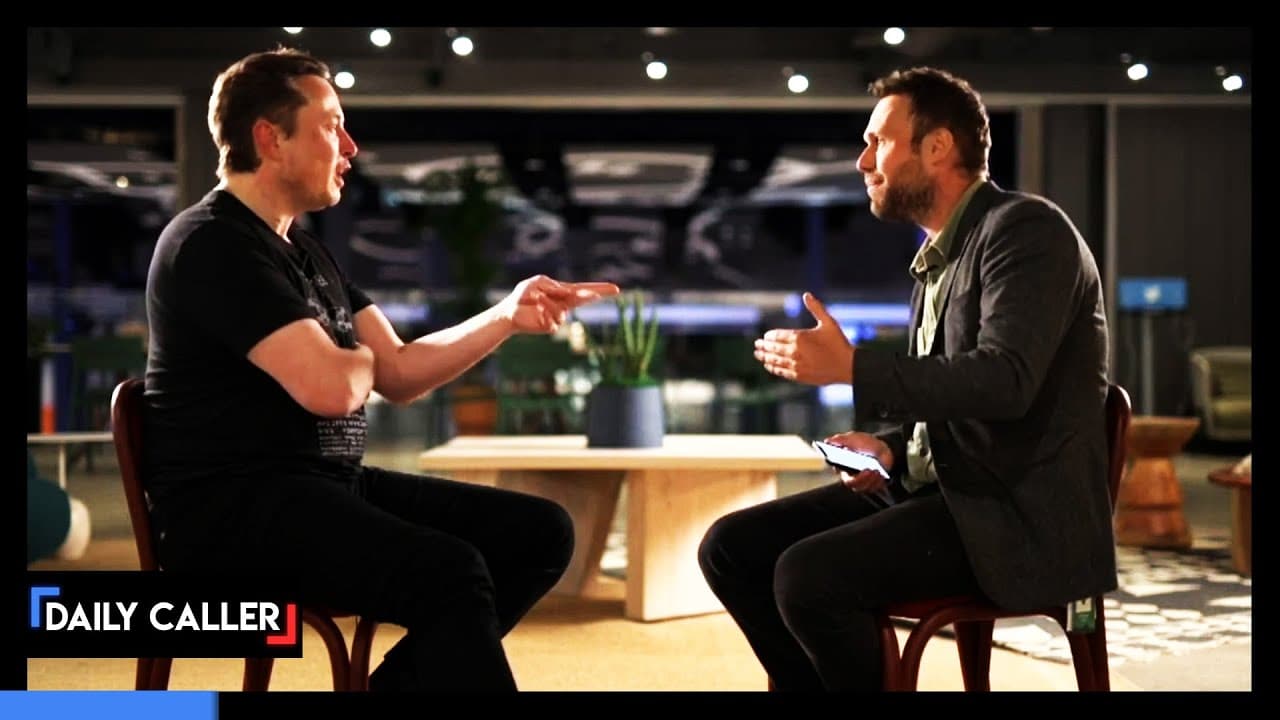
'You Just Lied': Elon Musk Slaughters BBC Reporter In Live Interview
TL;DR
Twitter CEO is questioned about prioritizing freedom of speech over misinformation and hate speech, highlighting the challenges of defining misinformation and the role of platforms in moderating content.
Transcript
free speech is meaningless unless you're allow people you don't like to say things you don't like otherwise it's relevant and if at the point of which you lose Free Speech it doesn't come back I think the issue some people have is that a lot of people were brought back I mean some people were brought back here were previously banned for spreading t... Read More
Key Insights
- 😯 Free speech becomes complex when faced with the challenge of combating misinformation and hate speech.
- ❓ Defining what constitutes misinformation is subjective and problematic.
- 😯 Platforms like Twitter struggle to effectively moderate and combat hate speech due to resource limitations.
- 🛄 The CEO avoids answering specific questions, undermining claims about prevalent hateful content.
- 🔉 Responsibility for misinformation extends beyond social media platforms, involving media organizations like the BBC.
Install to Summarize YouTube Videos and Get Transcripts
Explore YouTube Video Summarizer or Get YouTube Transcript Extractor
Questions & Answers
Q: Do you think freedom of speech should take priority over combating misinformation and hate speech on social media platforms?
The CEO argues that determining what counts as misinformation and who gets to decide is a complex matter, suggesting that one person's misinformation could be another person's valid information. It raises questions about the role of platforms in moderating content and setting boundaries.
Q: Is Twitter facing challenges in moderating hate speech?
The CEO acknowledges that hate speech is a concern on Twitter, although he personalizes his answer by mentioning his own experience. He emphasizes the difficulty of defining hate speech but does not provide specific examples when pressed for evidence.
Q: Should slightly sexist content be banned on Twitter?
The CEO dodges the question by asking for specific examples and implies that there is a range of content that could be deemed hateful. However, he fails to provide any examples, undermining his claim that hateful content is prevalent on the platform.
Q: Is the BBC responsible for misinformation about COVID-19?
The CEO deflects the question, stating that he is not a representative of the BBC's editorial policy. The interviewer highlights the accusation that the BBC changed its policy under pressure from the British government, but the CEO dismisses the topic.
Key Insights:
- Free speech becomes complex when faced with the challenge of combating misinformation and hate speech.
- Defining what constitutes misinformation is subjective and problematic.
- Platforms like Twitter struggle to effectively moderate and combat hate speech due to resource limitations.
- The CEO avoids answering specific questions, undermining claims about prevalent hateful content.
- Responsibility for misinformation extends beyond social media platforms, involving media organizations like the BBC.
- Pressures from government influence editorial policies, raising concerns about journalistic independence.
Summary & Key Takeaways
-
The discussion revolves around the dilemma of prioritizing freedom of speech while tackling misinformation and hate speech on Twitter.
-
Twitter's CEO is confronted about bringing back previously banned accounts and the difficulty in distinguishing misinformation from valid information.
-
The issue of hate speech and the inadequacy of moderation efforts on Twitter is addressed.
-
The interviewer challenges the CEO to provide examples of hateful content on Twitter, exposing the discrepancy between claims and evidence.
Read in Other Languages (beta)
Share This Summary 📚
Summarize YouTube Videos and Get Video Transcripts with 1-Click
Try YouTube Summary with ChatGPT & Claude or YouTube Transcript Generator