Understanding Avoidant Attachment Style: Insights with Chris Evensen
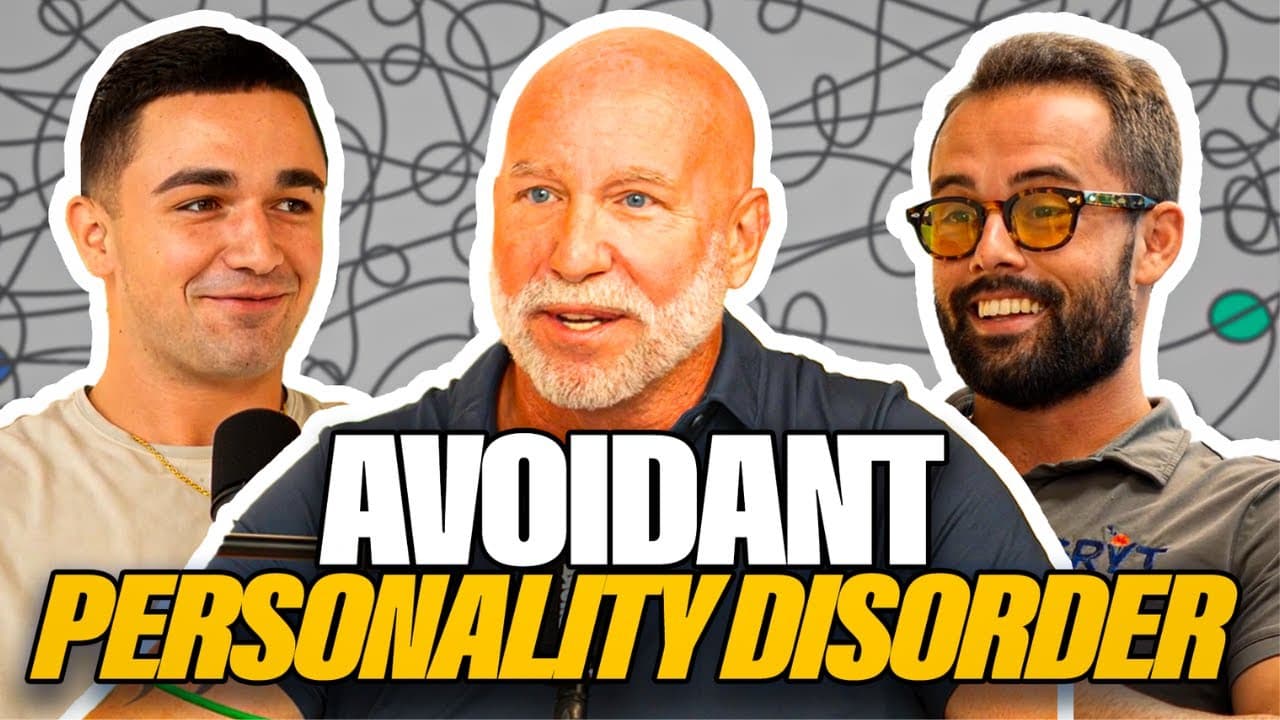
TL;DR
Chris Evensen discusses avoidant attachment styles and their societal impact.
Transcript
we are screwing our children up the snowball is rolling down the hill 64% of young men under 30 are not currently active in the dating world only 32% of the same age group women are not active but where is that other 30% or so there's only two answers women are dating women or they're dating the same guy and that's usually what's happening alpha ma... Read More
Key Insights
- Avoidant attachment styles often develop in childhood due to a lack of emotional connection with caregivers, leading to difficulties in forming deep relationships later in life.
- Avoidants thrive on dopamine, which they often seek through new relationships, leading to patterns like 'monkey branching' from one partner to another.
- The hormonal imbalance in avoidants, particularly the inability to process oxytocin, contributes to their relationship challenges and stress levels.
- Avoidants often rewrite the narrative of their relationships, leading to abrupt exits and erasing of partners from their lives.
- Societal changes, including the rise of dating apps and social media, exacerbate avoidant behaviors by providing endless options and quick dopamine hits.
- Birth control is discussed as a factor in changing relationship dynamics, potentially impacting hormonal balance and societal norms around monogamy.
- Avoidants can reform their attachment style by leaning into relationships and addressing issues within 24-48 hours, though this process is painful.
- The rise in avoidant attachment styles may contribute to broader societal issues, including increased violence and declining marriage rates.
Install to Summarize YouTube Videos and Get Transcripts
Explore YouTube Video Summarizer or Get YouTube Transcript Extractor
Questions & Answers
Q: What is an avoidant attachment style and how does it develop?
An avoidant attachment style develops in early childhood, often due to a lack of emotional connection with caregivers, particularly the mother. This lack of connection leads to difficulties in forming deep, meaningful relationships in adulthood, as avoidants tend to protect themselves by avoiding vulnerability and emotional closeness.
Q: How do avoidants behave in relationships?
Avoidants often exhibit a pattern known as 'monkey branching,' where they move from one relationship to another seeking dopamine highs. They thrive on the excitement of new relationships but struggle with intimacy, often rewriting the narrative of their relationships and abruptly ending them once the initial excitement fades.
Q: What hormonal imbalances affect avoidants?
Avoidants have difficulty processing oxytocin, the hormone associated with bonding and love, which leads them to rely heavily on dopamine for stress regulation. This imbalance contributes to their high-stress levels and challenges in forming lasting emotional connections in relationships.
Q: How does modern society exacerbate avoidant behaviors?
Modern society, with the rise of dating apps and social media, provides endless options and quick dopamine hits, which exacerbate avoidant behaviors. These platforms allow avoidants to easily move from one connection to another without forming deep emotional bonds, reinforcing their avoidance of intimacy.
Q: What impact does birth control have on relationships?
Birth control is discussed as a factor that may alter hormonal balances and societal norms around monogamy. It potentially affects testosterone levels in men and the natural hormonal cycles in women, influencing relationship dynamics and contributing to the changing landscape of dating and attachment styles.
Q: Can avoidants change their attachment style?
Yes, avoidants can reform their attachment style by developing awareness of their behaviors and leaning into relationships. This involves addressing issues within 24-48 hours and learning to trust their partners, though the process is challenging and can be painful as it requires confronting deep-seated fears of vulnerability.
Q: What societal issues are linked to the rise in avoidant attachment styles?
The rise in avoidant attachment styles is linked to broader societal issues, including increased violence, particularly against women, and declining marriage rates. As more people struggle with forming deep emotional connections, society may become more transactional and less focused on long-term relationships.
Q: What strategies can support someone with an avoidant attachment style?
To support someone with an avoidant attachment style, it's important to approach them gently, encouraging open communication without triggering their defenses. Complimenting and appreciating them can help maintain their dopamine levels, while providing a safe space for them to express their concerns can aid in their journey towards more secure attachment behaviors.
Summary & Key Takeaways
-
Chris Evensen explores the avoidant attachment style, its development from early childhood, and its impact on adult relationships. He discusses how avoidants seek dopamine through new relationships, leading to patterns like 'monkey branching.'
-
The podcast delves into the hormonal imbalances in avoidants, particularly their inability to process oxytocin, which contributes to relationship challenges. Societal changes, such as dating apps, exacerbate these behaviors.
-
The discussion also covers the impact of birth control on relationship dynamics and offers strategies for avoidants to reform their attachment style. The episode highlights broader societal implications, including increased violence and declining marriage rates.
Read in Other Languages (beta)
Share This Summary 📚
Summarize YouTube Videos and Get Video Transcripts with 1-Click
Try YouTube Summary with ChatGPT & Claude or YouTube Transcript Generator