The Changing Geography of Ill Health
TL;DR
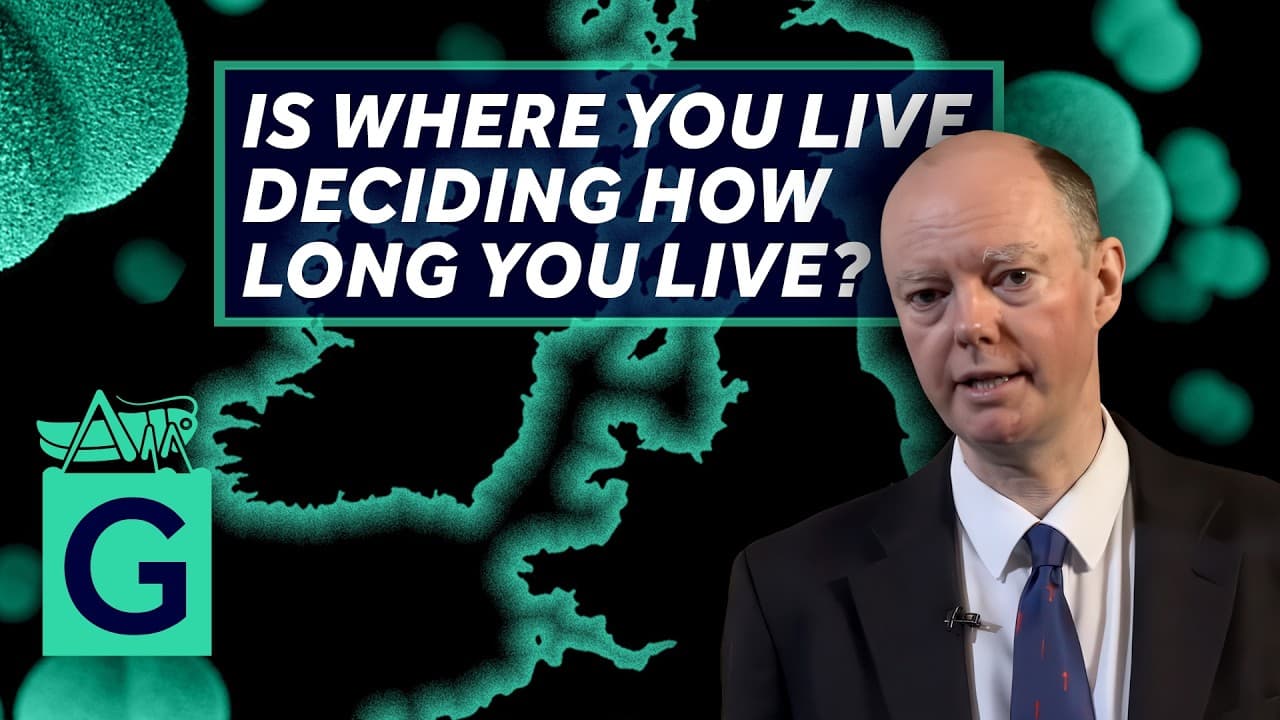
Variations in ill-health occur over short distances and can be influenced by environmental factors, deprivation, and age structure. Understanding these variations is crucial for disease prevention and intervention.
Transcript
- Good evening. This evening I'm going to talk in this series about major challenges in public health, about the changing geography of ill-health here in the UK and around the world. One of the things that's very striking about a disease is that there are very wide variations in ill-health which can occur over really quite short distances, and even... Read More
Key Insights
- 💊 Variations in ill-health can occur over short distances, influenced by factors like the physical environment, deprivation, and age structure.
- 🧑🏭 Infectious diseases are influenced by vectors and environmental conditions, while non-communicable diseases are often associated with socioeconomic factors.
- 🤕 The age structure of populations plays a significant role in disease patterns, with urban areas attracting younger individuals and rural areas experiencing an aging population.
- ☠️ Deprivation is linked to higher rates of disease, and concentrated poverty in certain areas can contribute to a range of health challenges.
- 💊 The geography of ill-health is dynamic and can change over time as societies evolve and healthcare interventions are implemented.
- 🧑⚕️ Urbanization brings both health risks and access to healthcare resources, but also contributes to variations in disease patterns.
- 🤕 The aging population poses unique challenges, particularly in rural areas, where healthcare resources may become strained due to shifting demographics.
Install to Summarize YouTube Videos and Get Transcripts
Explore YouTube Video Summarizer or Get YouTube Transcript Extractor
Questions & Answers
Q: What are the major drivers of the geography of disease?
The major drivers include the physical geography itself (water, land, climate), deprivation and poverty, age structure, and cultural and behavioral factors.
Q: How does the age structure of a population impact disease patterns?
The age structure influences the types of diseases prevalent in specific areas. For example, areas with a higher proportion of younger individuals may experience higher rates of sexually transmitted infections, while areas with more elderly individuals may have higher rates of chronic conditions like dementia.
Q: How does deprivation contribute to variations in disease patterns?
Deprivation is associated with higher rates of non-communicable diseases such as obesity, heart disease, and mental health disorders. These diseases are often more prevalent in areas with lower socioeconomic status due to factors like inadequate access to healthcare, unhealthy behaviors, and limited resources.
Q: Is there a relationship between urbanization and health risks?
Urban living presents its own health risks, such as air pollution and higher concentrations of certain diseases. However, cities also provide better access to healthcare, improved sanitation, and other resources that can mitigate health risks compared to rural areas.
Q: How has the geography of ill-health changed over time?
The past few decades have seen significant improvements in global life expectancy and reductions in various infectious diseases. However, the geography of ill-health still varies, with some areas displaying persistent health challenges despite overall improvements.
Q: How is the aging population impacting disease patterns and healthcare needs?
As the population ages, there will be a greater demand for healthcare services and interventions targeting age-related diseases. Rural and peripheral areas may face challenges in meeting these healthcare needs due to shifting demographics and potential shortages of medical resources.
Q: Are there any positive trends in health outcomes?
Overall, there have been improvements in life expectancy and reductions in mortality rates across the UK. While disparities still exist, particularly in areas of deprivation, the long-term trend shows progress in public health efforts.
Summary & Key Takeaways
-
Variations in ill-health can occur over short distances and vary over time, influenced by environmental factors, deprivation, and age structure.
-
Infectious diseases are often influenced by the physical geography itself and can be transmitted through vectors such as water and insects.
-
Non-communicable diseases, such as respiratory diseases, obesity, and mental health disorders, are influenced by socioeconomic factors, including deprivation and lifestyle behaviors.
-
The age structure of populations plays a significant role, with concentrations of younger individuals in urban areas and older individuals in rural areas.
Read in Other Languages (beta)
Share This Summary 📚
Summarize YouTube Videos and Get Video Transcripts with 1-Click
Try YouTube Summary with ChatGPT & Claude or YouTube Transcript Generator
Explore More Summaries from Gresham College 📚

Summarize YouTube Videos and Get Video Transcripts with 1-Click
Try YouTube Summary with ChatGPT & Claude or YouTube Transcript Generator