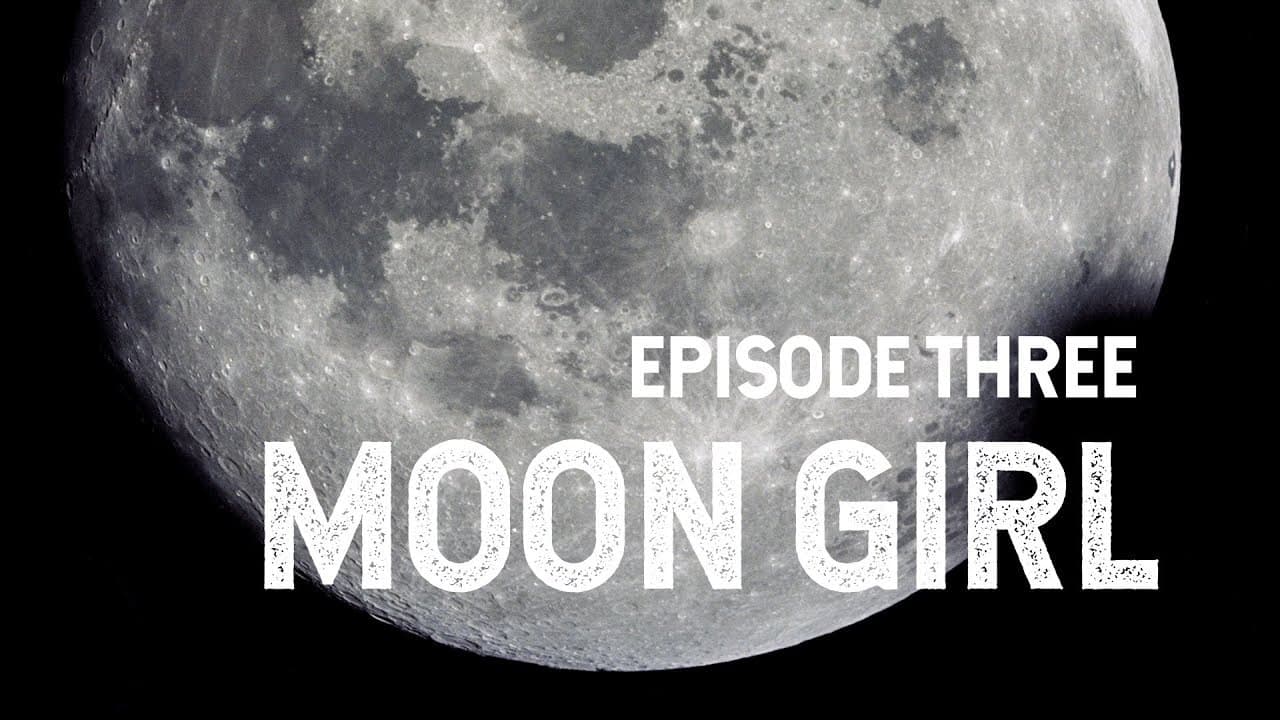
NASA Explorers: Moon Girl
TL;DR
NASA scientists study Apollo samples to learn about the formation of the moon, its history, and its significance in understanding the early Earth and our solar system.
Transcript
NATALIE: There are still so many questions locked up in these rocks. It's exciting times just to be studying them. BARBARA: So we have a big window (a big gap) in our understanding of the early Earth, and the moon preserves that history. Where did all of this stuff come from? How did it form? What was the process? Does it happen all the time across... Read More
Key Insights
- 🥮 The moon's rocks serve as an archive of lunar history and solar history, helping scientists understand the evolution of the moon and the solar system.
- 🉐 By studying Apollo samples, scientists can analyze the age of rocks, explore geological processes, and gain insights into the early Earth's history.
- 💁 The analysis of noble gases in lunar samples allows scientists to trace the formation and age of rocks, providing valuable information about the moon's geological processes.
- 🛟 Apollo samples also offer opportunities to study the origins of life and the distribution of chemical compounds in the early solar system.
- 👾 The study of Apollo samples has inspired many individuals, including young aspiring astrophysicists like Sophie from Greece, who see space exploration as a testament to human potential and a drive to go beyond the sky.
- 👨🔬 The search for data and understanding from Apollo samples is ongoing, as there are still many mysteries locked within these rocks.
- 🌑 NASA scientists have been selected to study never-before-seen Apollo samples, which opens up new possibilities for uncovering further insights about the moon and our solar system.
Install to Summarize YouTube Videos and Get Transcripts
Explore YouTube Video Summarizer or Get YouTube Transcript Extractor
Questions & Answers
Q: What do NASA scientists hope to learn from studying Apollo samples?
NASA scientists hope to learn about the formation of the moon, its history, and its significance in understanding the early Earth and our solar system. They aim to answer questions about the moon's origins, geological processes, and the distribution of chemical compounds.
Q: How do scientists analyze lunar samples?
Scientists analyze lunar samples by measuring and scrutinizing them for clues about their age, composition, and the processes they have undergone. They use noble gases to trace the age and formation of the rocks, as well as study the soluble compounds within the samples to understand their evolution.
Q: Why are Apollo samples significant for understanding the early Earth?
The Earth's rocks do not date back further than about three billion years due to plate tectonics and surface renewal processes. In contrast, the moon's rocks provide a window into the early Earth's history, preserving information that is not available on our own planet.
Q: What insights can be gained from studying Apollo samples?
By studying Apollo samples, scientists can gain insights into the formation and evolution of the moon and the solar system. They can learn more about the moon's surface, lunar and solar history, and even explore the origins of life and the distribution of chemical compounds in the early solar system.
Summary & Key Takeaways
-
NASA scientists study Apollo samples to learn about the moon's formation and history, as well as its role in understanding the early Earth and our solar system.
-
The moon's surface serves as an archive of lunar and solar history, providing valuable insights into the evolution of the moon and the solar system.
-
By analyzing the samples, scientists can trace processes, measure the age of rocks, and gain insights into the origins of life and the distribution of chemical compounds in the early solar system.
Read in Other Languages (beta)
Share This Summary 📚
Summarize YouTube Videos and Get Video Transcripts with 1-Click
Try YouTube Summary with ChatGPT & Claude or YouTube Transcript Generator
Explore More Summaries from NASA 📚

Summarize YouTube Videos and Get Video Transcripts with 1-Click
Try YouTube Summary with ChatGPT & Claude or YouTube Transcript Generator