Wolves Have Taken Over a Marine Ecosystem
TL;DR
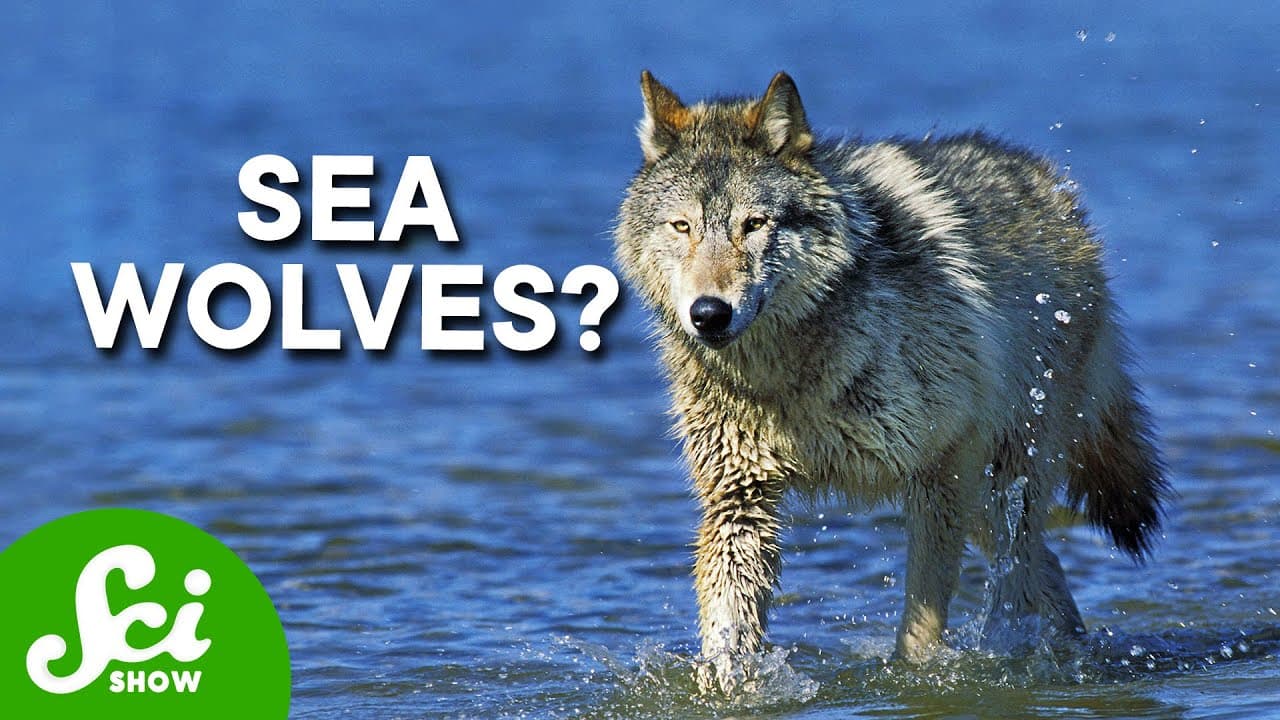
Wolves in Alaska have become apex predators in a marine ecosystem, feeding on sea otters and impacting the nearshore ecosystem.
Transcript
It may not seem like it while watching your dog fail over and over to catch a squirrel, but that creature is related to an apex predator. I’m talking about your dog. Not the squirrel. Wherever they go, wolves tend to sit atop the proverbial food web. But while wolves are amazing hunters, they’re still land-based animals. Except for one region in Al... Read More
Key Insights
- 🤢 Wolves in Alaska's Pleasant Island shifted their diet from deer to sea otters to adapt to a new environment.
- 🤢 Sea otters are apex predators in the nearshore ecosystem, controlling the sea urchin population, and maintaining kelp forests.
- 🐺 The reintroduction of wolves in Yellowstone National Park had positive effects on the beaver population and overall ecosystem.
- ❓ Understanding the dynamics between apex predators is crucial in studying and conserving ecosystems.
- 👨🔬 Glacier Bay in Alaska is the only region where the ranges of wolves and sea otters overlap, providing a unique opportunity for research.
- 🤢 The success of the sea otter transplant in Glacier Bay shows the potential for restoring apex predator populations.
- 🐺 The wolves in Pleasant Island have adapted well to their otter-based diet and continue to thrive.
Install to Summarize YouTube Videos and Get Transcripts
Explore YouTube Video Summarizer or Get YouTube Transcript Extractor
Questions & Answers
Q: How did wolves in Pleasant Island adapt to the scarcity of their food source?
Instead of starving or leaving the island, the wolves started feeding on sea otters as a new food source.
Q: Why are sea otters important for the nearshore ecosystem?
Sea otters control the population of sea urchins, which are voracious kelp eaters. Without otters, kelp forests would decline, affecting biodiversity.
Q: What happened when wolves were killed off in Yellowstone National Park?
The absence of wolves led to overgrazing by deer, causing the beaver population to decline. Beaver dams are important for maintaining local fish and bird populations.
Q: What impact do the reintroduced wolves have on the sea otter population?
The researchers believe that the wolf population will not wipe out the local sea otter population, as there are still enough otters to sustain the wolves' diet.
Summary & Key Takeaways
-
Wolves in Alaska's Pleasant Island migrated to the area and nearly wiped out the deer population, leading them to find a new food source.
-
These wolves began feeding on sea otters, which are apex predators in the nearshore ecosystem and crucial for maintaining biodiversity.
-
The reintroduction of wolves in Yellowstone National Park also had positive effects on the beaver population and overall ecosystem.
Read in Other Languages (beta)
Share This Summary 📚
Summarize YouTube Videos and Get Video Transcripts with 1-Click
Try YouTube Summary with ChatGPT & Claude or YouTube Transcript Generator
Explore More Summaries from SciShow 📚

Summarize YouTube Videos and Get Video Transcripts with 1-Click
Try YouTube Summary with ChatGPT & Claude or YouTube Transcript Generator