How to Master Squats for Strength and Performance
TL;DR
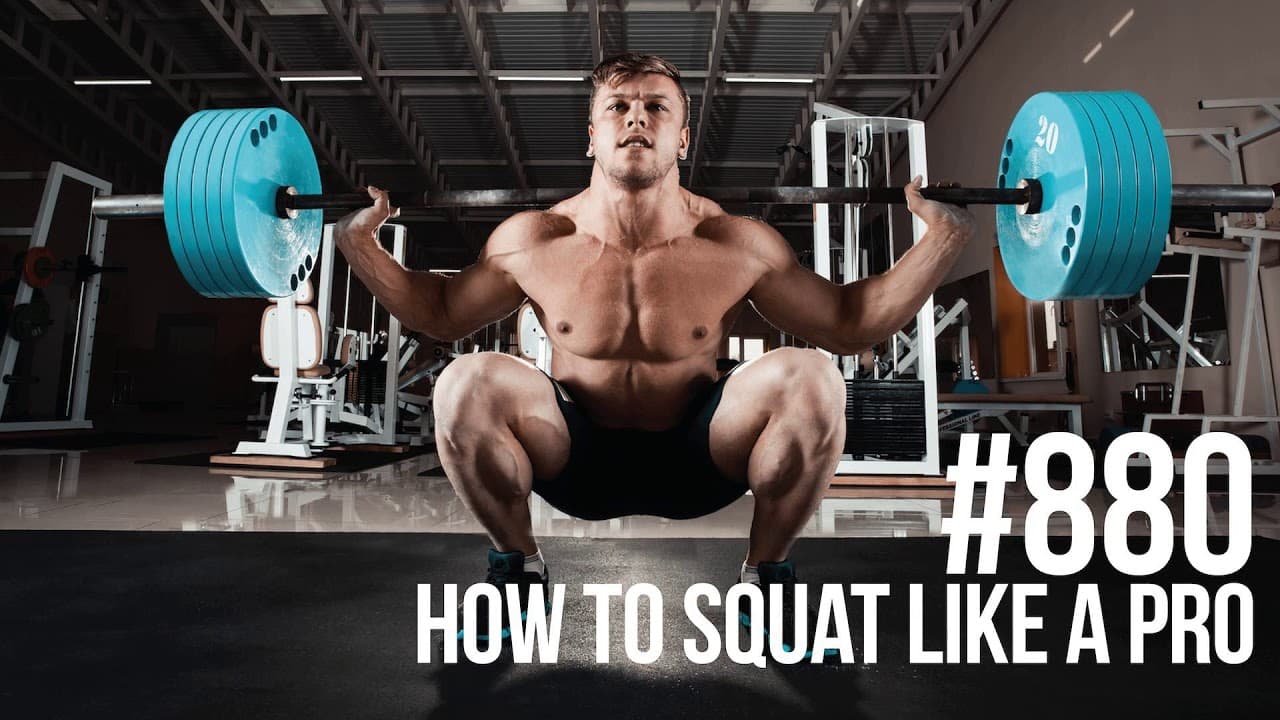
To master squats, focus on increasing frequency, improving mobility, and incorporating variable resistance like bands and chains. Squats are a fundamental human movement with significant carryover to other exercises and overall strength. Prioritize control and depth, and adjust intensity based on your body's feedback to maximize results.
Transcript
if you want to pump your body and expand your mind there's only one place to go mind fight with your hosts Sal de Stefano Adam Schaefer and Justin Andrews in this simplified episode distill of mind pump we wanted to talk all about squatting how to get a really really good squat now we open up the episode with some fun banter talking about how to ha... Read More
Key Insights
- Squats are a fundamental human movement crucial for strength and performance.
- Increasing squat frequency can lead to significant strength gains.
- Variable resistance, like bands and chains, enhances squat effectiveness.
- Controlling the entire range of motion is vital for preventing injuries.
- Mobility work is essential for improving squat depth and performance.
- Squatting regularly can address and prevent common issues like low back pain.
- Squats have systemic benefits, improving overall body strength and metabolism.
- Proper squat technique includes maintaining tension and avoiding momentum reliance.
Install to Summarize YouTube Videos and Get Transcripts
Explore YouTube Video Summarizer or Get YouTube Transcript Extractor
Questions & Answers
Q: How can I improve my squat depth?
Improving squat depth involves enhancing your mobility and control over the squat movement. Focus on hip and ankle mobility exercises to increase your range of motion. Practice squatting with lighter weights, emphasizing control and maintaining tension throughout the movement. Consistent practice and mobility work will gradually improve your squat depth.
Q: What is variable resistance in squats?
Variable resistance in squats involves using tools like bands and chains to alter the resistance throughout the range of motion. Bands can be attached to the barbell and the squat rack, making the lift heavier at the top and lighter at the bottom, matching the natural strength curve of the squat. This technique enhances muscle activation and strength gains.
Q: How often should I squat to see strength gains?
Squatting two to four times per week can lead to significant strength gains. Include a mix of heavy, mobility-focused, and variable resistance sessions. Adjust the intensity based on your recovery and body's feedback, ensuring you avoid overtraining while consistently challenging your muscles to adapt and grow stronger.
Q: Why are squats considered a fundamental human movement?
Squats are considered a fundamental human movement because they mimic natural movements like sitting and standing. They engage multiple muscle groups, including the legs, core, and back, promoting functional strength and stability. Mastering squats can improve overall body mechanics and reduce the risk of injury in daily activities.
Q: What are the benefits of squatting regularly?
Regular squatting enhances leg strength, improves muscle mass, and boosts metabolism. It has systemic effects, leading to increased overall body strength and improved performance in other exercises. Squatting also helps address imbalances and mobility issues, reducing the risk of injury and improving functional movement patterns.
Q: How can squats help with low back pain?
Squats can help alleviate low back pain by strengthening the core and improving hip mobility. Proper squat technique and regular practice can address muscle imbalances and enhance stability, reducing stress on the lower back. It's important to focus on form and control to prevent exacerbating any existing issues.
Q: What is the role of mobility in squatting?
Mobility plays a crucial role in squatting by allowing for a greater range of motion and better control throughout the movement. Good mobility in the hips, ankles, and thoracic spine enables deeper squats and reduces the risk of injury. Regular mobility exercises should be incorporated into your routine to maintain and improve squat performance.
Q: How does squatting affect metabolism?
Squatting can significantly boost metabolism by increasing muscle mass, particularly in the lower body, which accounts for a large portion of the body's muscle. More muscle mass leads to higher energy expenditure at rest, aiding in fat loss and improving overall metabolic health. Consistent squatting can thus contribute to a leaner physique.
Summary & Key Takeaways
-
Squats are a powerful exercise with significant benefits for strength and performance. To master them, increase the frequency of your squat workouts, incorporate mobility exercises, and use variable resistance tools like bands and chains. Focus on controlling the entire range of motion to prevent injuries and maximize gains.
-
Regular squatting can improve not only leg strength but also overall body composition and metabolism. By addressing mobility and control, you can enhance your squat depth and effectiveness, leading to better results in other exercises and daily movements.
-
Utilizing variable resistance in squats helps match the exercise to your natural strength curve, allowing for more effective training. Squatting is not just about lifting heavy but mastering the skill, improving mobility, and ensuring proper form to achieve long-term benefits.
Read in Other Languages (beta)
Share This Summary 📚
Summarize YouTube Videos and Get Video Transcripts with 1-Click
Try YouTube Summary with ChatGPT & Claude or YouTube Transcript Generator
Explore More Summaries from Mind Pump Show 📚





Summarize YouTube Videos and Get Video Transcripts with 1-Click
Try YouTube Summary with ChatGPT & Claude or YouTube Transcript Generator