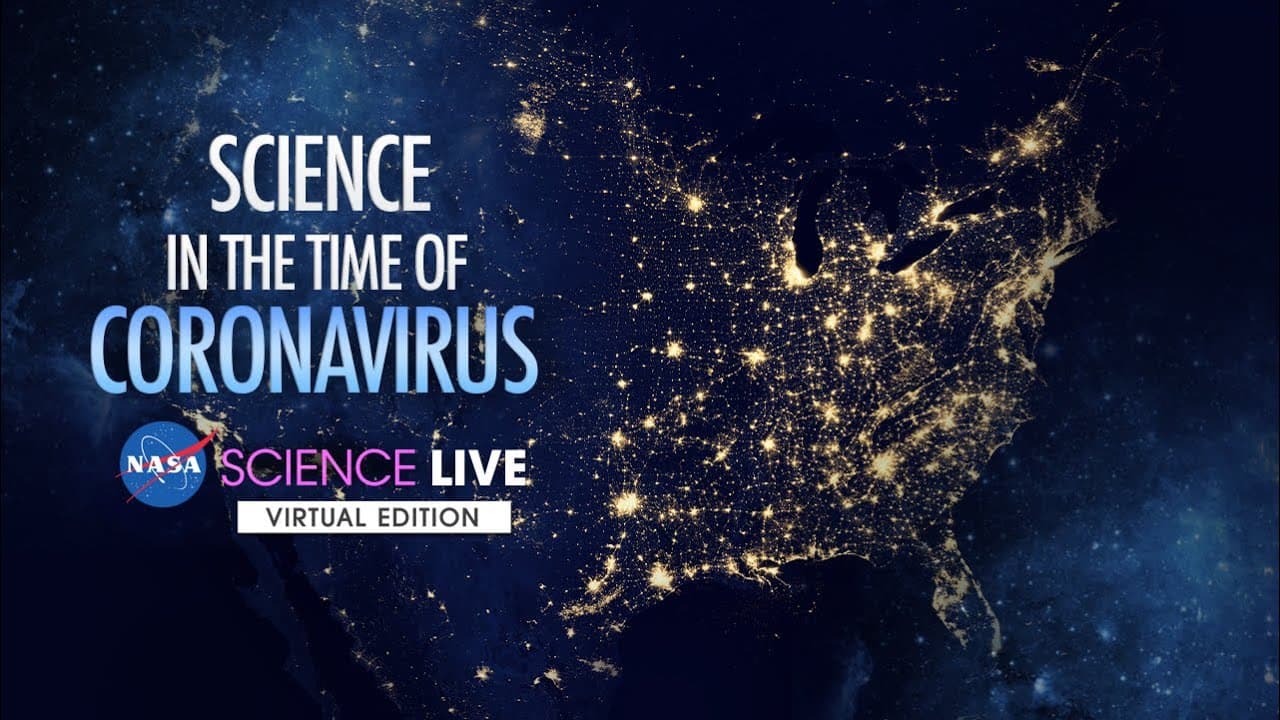
NASA Science Live: Science in the Time of Coronavirus
TL;DR
NASA's technical and scientific expertise has led to the development of concepts and collaborations to address the COVID-19 crisis, including the creation of oxygen hoods, ventilators, and innovative disinfection technologies.
Transcript
[ MUSIC ] >> OUR PLANET IS FACING AN UNPRECEDENTED CRISIS AS WE CONTINUE TO WRESTLE WITH THE IMPACTS OF CORONAVIRUS. WITH ITS UNPARALLELED TECHNICAL AND SCIENTIFIC EXPERTISE, NASA HAS JOINED THE FIGHT AGAINST THE PANDEMIC. ON APRIL 1ST, NASA LAUNCHED AN AGENCY-WIDE CALL FOR IDEAS FOR HOW WE COULD LEVERAGE OUR UNMATCHED CAPABILITIES TO HELP THE NATI... Read More
Key Insights
- ❓ NASA has harnessed its technical and scientific expertise to combat the COVID-19 pandemic, developing concepts such as oxygen hoods and ventilators.
- 🥹 Collaboration has been crucial in NASA's efforts, as they have partnered with various organizations and held challenges to gather innovative solutions.
- 😷 Utilizing supercomputers and computational fluid dynamics, NASA is studying genetic risk factors, improving mask filters, and incorporating Earth science data into models to better understand the spread of COVID-19.
- 👱 The pandemic has highlighted the importance of individual actions in reducing air pollution and emissions, ultimately benefiting the planet and climate.
Install to Summarize YouTube Videos and Get Transcripts
Explore YouTube Video Summarizer or Get YouTube Transcript Extractor
Questions & Answers
Q: How has NASA contributed to combating COVID-19?
NASA has developed concepts such as oxygen hoods and ventilators, collaborated with partners, and launched challenges to gather innovative solutions. They have also utilized their expertise in supercomputing and computational fluid dynamics to study genetic risk factors and design better mask filters.
Q: What was the NASA Space Apps COVID-19 Challenge?
The NASA Space Apps COVID-19 Challenge invited individuals worldwide to use NASA and other space agency data to design solutions related to the pandemic. Over 15,000 people from 150 countries participated, resulting in the creation of over 1,400 products.
Q: How has NASA contributed to understanding the spread of COVID-19?
Researchers at NASA have incorporated Earth science data, such as temperature and humidity, into models that help track the spread of the virus. Although no direct connections can be drawn yet, using NASA's Earth observations can provide valuable insights into the disease.
Q: How has NASA adapted to remote work during the pandemic?
NASA employees have adjusted to remote work setups in their homes. Engineers, scientists, and mission teams continue their work remotely, with some even conducting robotic tests and planning operations from their home offices and kitchens.
Summary & Key Takeaways
-
NASA launched an agency-wide call for ideas to leverage its capabilities in response to the COVID-19 pandemic, resulting in concepts such as oxygen hoods and partnerships for quick response.
-
The NASA Space Apps COVID-19 Challenge invited participants worldwide to use NASA data to design solutions, resulting in over 1,400 products, including apps and websites.
-
NASA engineers and scientists have utilized supercomputers to study genetic risk factors, developed computational fluid dynamics models to improve mask filters, and contributed Earth observations to understand environmental factors affecting the spread of COVID-19.
Read in Other Languages (beta)
Share This Summary 📚
Summarize YouTube Videos and Get Video Transcripts with 1-Click
Try YouTube Summary with ChatGPT & Claude or YouTube Transcript Generator
Explore More Summaries from NASA 📚

Summarize YouTube Videos and Get Video Transcripts with 1-Click
Try YouTube Summary with ChatGPT & Claude or YouTube Transcript Generator