The TRUTH About ‘Calories In Calories Out’ CICO Diet
TL;DR
The calories in, calories out diet can lead to weight loss but may not be sustainable or healthy long-term.
Transcript
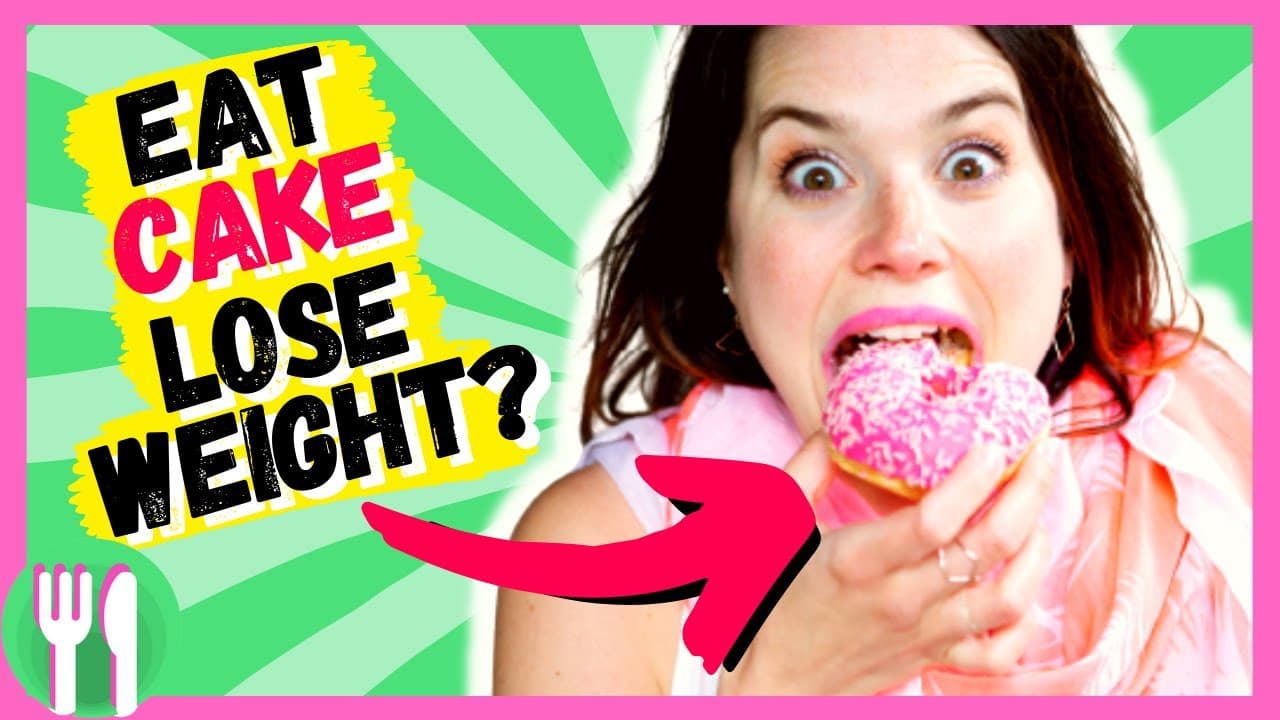
eat cake and lose weight well apparently you can on the calories in calories out diet trend but does it actually work and is it safe keep watching until the end to find out my thoughts in it as a registered nutritionist the weight loss plan calories in calories out cico for short has gained popularity on reddit instagram and other social media site... Read More
Key Insights
- 🏋️ The CICO diet is based on managing a calorie deficit to promote weight loss by balancing calories consumed with calories burned.
- 🥘 While it allows for diverse food choices, it risks leading to nutrient-poor diets if unhealthy foods are excessively consumed.
- 🏋️ Hunger, hormones, and individual metabolism significantly influence calorie consumption and can complicate weight loss.
- 😋 Long-term adherence to CICO may foster an unhealthy obsession with calorie counting, detracting from food enjoyment.
- 🧑⚕️ Exercise enhances weight loss by increasing calorie expenditure and improving metabolic health, providing a more balanced approach.
- 😋 Accurate calorie counting is challenging due to natural variances in food preparation and personal estimations.
- ❓ The Mediterranean diet offers a sustainable alternative, prioritizing nutrition without the burden of strict calorie tracking.
Install to Summarize YouTube Videos and Get Transcripts
Explore YouTube Video Summarizer or Get YouTube Transcript Extractor
Questions & Answers
Q: How does the calories in, calories out diet concept work?
The CICO diet operates on the principle that weight loss occurs when you consume fewer calories than your body burns. The goal is to create a calorie deficit, leading the body to utilize stored fat for energy. Essentially, monitoring calorie intake and expenditure is crucial for achieving this balance, although numerous factors can influence both aspects, making it a complex strategy.
Q: What are the potential downsides of a CICO diet?
A significant downside to the CICO approach is the risk of nutrient deficiencies if individuals prioritize calorie counting over nutritional quality. Consuming high-calorie, low-nutrient foods can lead to health problems, such as malnutrition, while obsessively tracking calories can detract from the enjoyment of eating, create stress, and encourage an unhealthy relationship with food.
Q: Why is adhering strictly to the CICO diet unsustainable long-term?
Strict adherence to the CICO diet may yield short-term weight loss but isn't sustainable long-term due to its potential to foster unhealthy eating habits, nutrient deficiencies, and psychological stress. Focusing solely on calories can neglect important aspects of nutrition and well-being, such as food variety, nutrient density, and the individual’s emotional connection to food.
Q: How does individual variation affect the CICO approach?
Individual variations, including metabolic rate, age, gender, and body composition, significantly affect calorie needs and how the body burns energy. Additionally, psychological factors such as stress, hunger cues, and lifestyle also play vital roles in a person’s ability to maintain a calorie deficit and make the CICO diet more complicated for each individual.
Q: What alternatives to the CICO diet could support sustainable weight loss?
Alternatives to CICO for sustainable weight loss include focusing on balanced diets such as the Mediterranean diet, which emphasizes whole foods, healthy fats, and regular physical activity without the need for strict calorie counting. Such approaches are often easier to maintain over time and are associated with better health outcomes.
Q: Can exercise help improve the effectiveness of a CICO diet?
Yes, exercise can enhance the effectiveness of a CICO diet by increasing the number of calories burned, thus creating a greater calorie deficit. Regular physical activity, even in moderate forms like walking, can improve metabolic rate, support muscle maintenance, and contribute to overall health, making weight loss more attainable and sustainable.
Q: What role does food preparation play in calorie absorption?
Different cooking methods can significantly impact the bioavailability of calories in foods. For instance, cooking starches can break down cell walls, increasing the amount of energy available for absorption. Factors like food preparation also influence overall nutrient balance and should be considered while following a CICO diet to ensure adequate nutrition.
Q: Why is tracking calories often inaccurate?
Many people struggle with accurately tracking their calories, and studies show that estimates can be off by as much as 50% or more. This imprecision is exacerbated by the FDA allowing a 20% variance in nutritional labeling, along with inaccuracies in fitness trackers. Consequently, reliance on these methods can make it difficult to understand actual caloric intake and expenditure.
Summary & Key Takeaways
-
The calories in, calories out (CICO) diet emphasizes maintaining a calorie deficit to lose weight, allowing for consumption of various foods.
-
While it offers flexibility in food choices, potential risks include nutrient deficiencies and health issues from relying on unhealthy foods.
-
Effective weight loss strategies combine calorie awareness with balanced nutrition and regular exercise tailored to individual needs.
Read in Other Languages (beta)
Share This Summary 📚
Summarize YouTube Videos and Get Video Transcripts with 1-Click
Try YouTube Summary with ChatGPT & Claude or YouTube Transcript Generator
Explore More Summaries from All Things Nutrition 📚






Summarize YouTube Videos and Get Video Transcripts with 1-Click
Try YouTube Summary with ChatGPT & Claude or YouTube Transcript Generator